The Poem speaks…..

I exist because you thought me

And I clamoured for my voice to be heard

For my energy to explode across the meaningful void of silence that exists between our worlds.


I dance between our worlds

I bring life to the lifeless, lyrics to the song, enchantment to the disillusioned

I am magical mystical moments that separate reality and dullness from freedom and spirit.


I lift the conscious to a greater sense of awareness

I create a depth stronger than the deep-rooted foundations on which you build your windiest cities.

I am lighter than air, a whim, a wish, a wistful glance into a wearied past,

A foray into a frozen forest of feelings that no-one else dare explore.


You give me breath and life and send me reluctantly skittering into a world of startling sterility.


© Alison Jean Hankinson

This is for d’Verse meeting at the bar where we were asked to consider ars poetica which I think is the art of poetry. I guess I tried to see what it was like being a poem.

Willow- bend without breaking

Through the silence of the night I hear you breathing heavily, the weight of the world on your shoulders,

You have learned to love others and nurture them all as a mother

And sometimes you get washed aside in the wake of a selfless storm.


Do not pity me- I am no victim,

I choose to do the things I do, I don’t need their gratitude

I am their friend, their wife, their mother, their lover, the whisper of light in the dark, a comforting sound through the vacuum of silence.


Through the years you have drudged and toiled, cooked their meals, held their hands, made their miserable monotonous lives a little less monochrome.

You were their teacher, their challenger, you coached as their mentor

And sometimes you were lost at sea in the current of compassion and a tide of woes.


Do not pity me, I have no need for sympathy

I held their lost souls in the palm of my hand and gave them love and space to grow,

I kept them safe in a sheltered harbour. I may bend but don’t break. I am willow.


©Alison Jean Hankinson

The image was in the public domain from wikimedia labelled for reuse.

This is for napowrimo 2018. Day 7.

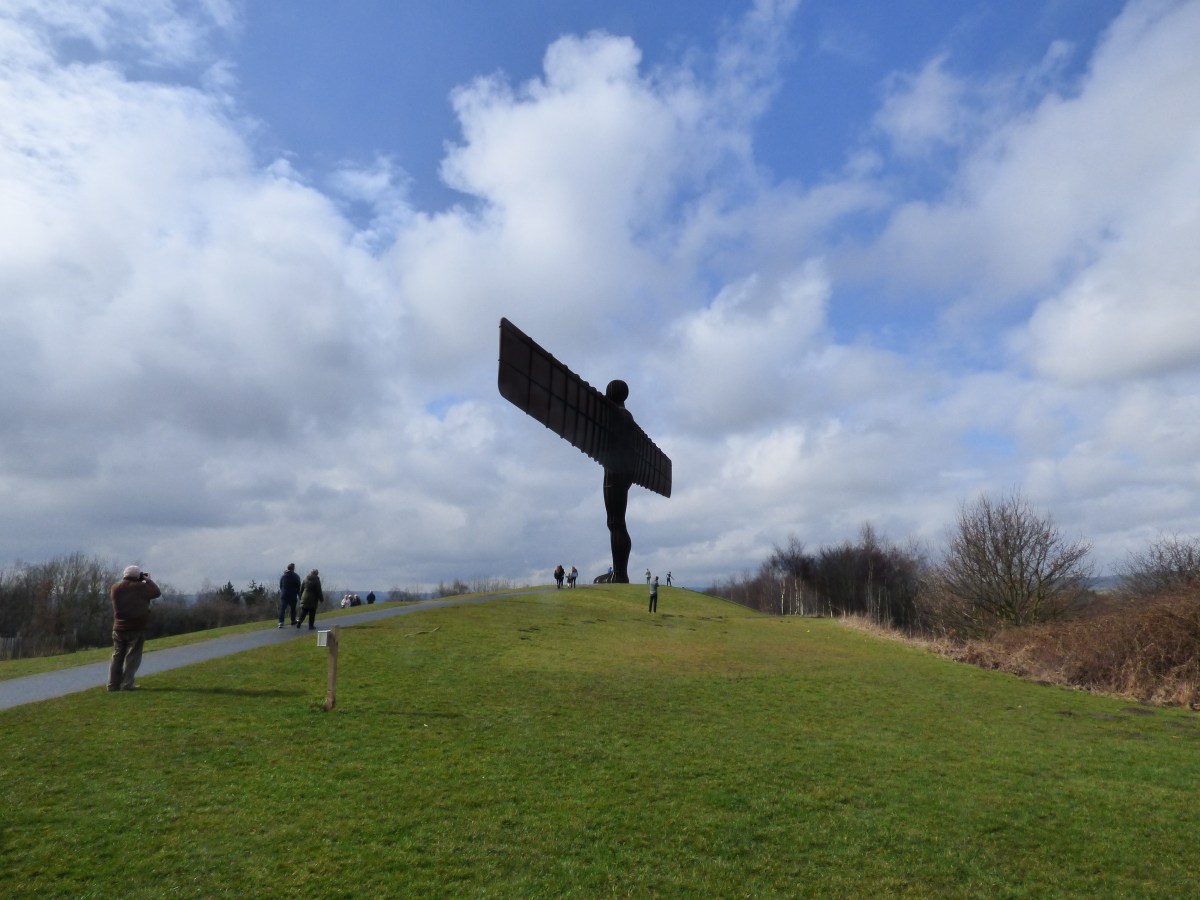
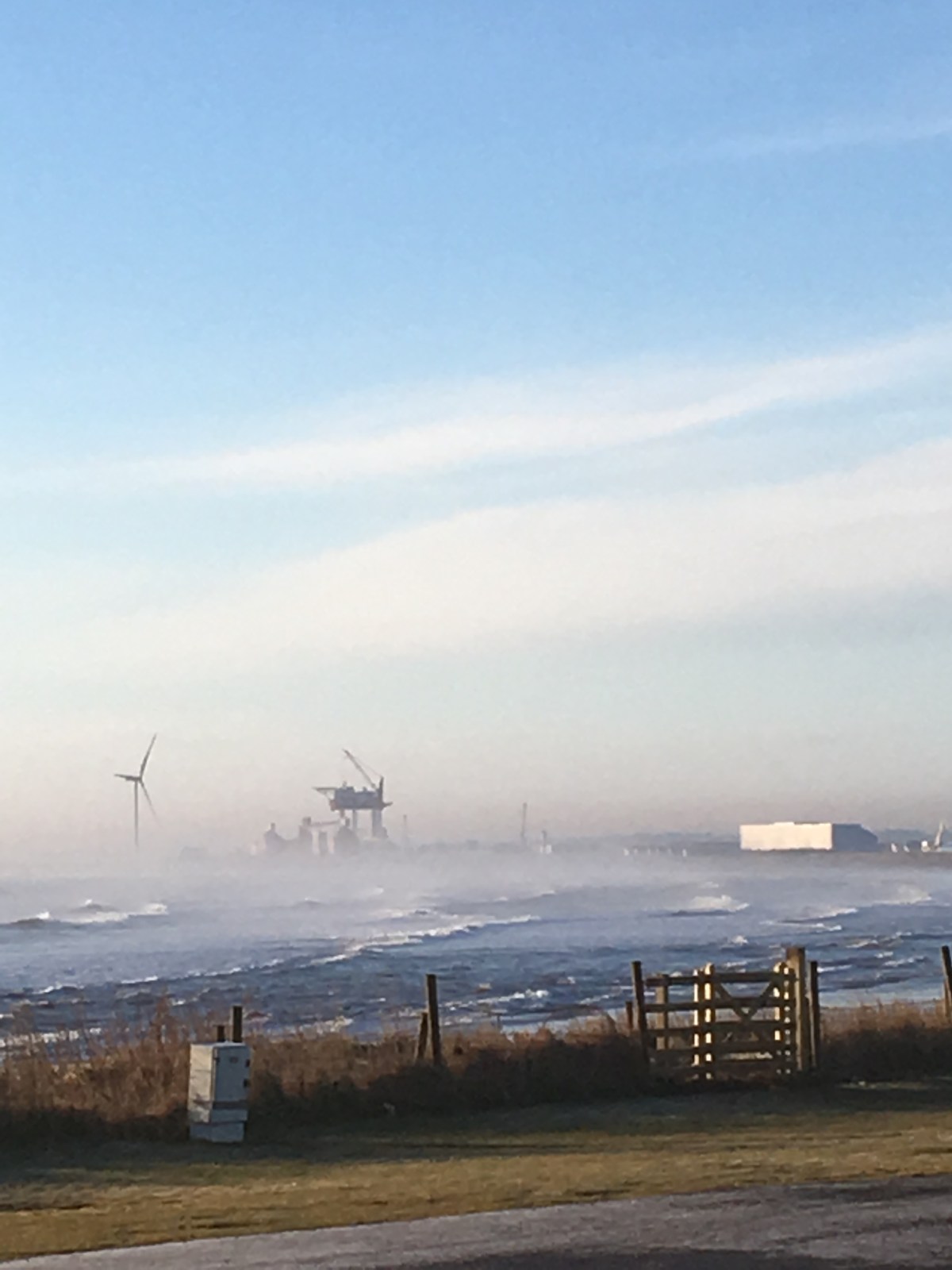
The Angel of the North.

Emerging from the darkened voiceless void beneath

Embracing weathered wings span the Gateshead skyline

Reflects our transition from industrial to information age

Celebrates the toil and labour of those beneath who mined.


Above ground we breathe the air and grasp the light

200 tonnes of weathering steel guards our future still

Hope rises from coal’s scarred and savaged wounds

As we pay homage to the Angel on the hill.

Deep-rooted in its megalithic mound

And anchored down by love and stone.

©Alison Jean Hankinson


The Tanfield Railway.

We spent Easter visiting the NorthEast. Whilst many schools seem to be cutting the Industrial Revolution from their KS3 curriculum, perhaps they find it dull, for me it is the opposite. I was born here in the North. This is my cultural background and my rich and proud heritage, amongst the dark hills and moors, the deep valleys whipped by wind and rain. My families ancestors toiled and worked to create a brave new industrial nation. Many of them came from Ireland, places like Tipperary and settled along coal and mill routes of the great northern counties. They worked as navvies, labourers, mill workers, spinners, seamstresses and my husbands family moved north working as a stationmaster on the railroad. I felt compelled to visit Tanfield on this journey and post-industrial pilgrimage to the north-east.

It is believed that there has been some form of railways connecting the Tyneside coal to the ports of Blyth and the Tyne since the 1600’s. At first the tracks would have been wooden and the carts/wagons would have been pulled by horses. There may actually have been tracks and a railway at Tanfield during this period. However, it is believed that the Tanfield main railway line was first built around 1725 and therefore almost 100 years before the first steam locomotive.

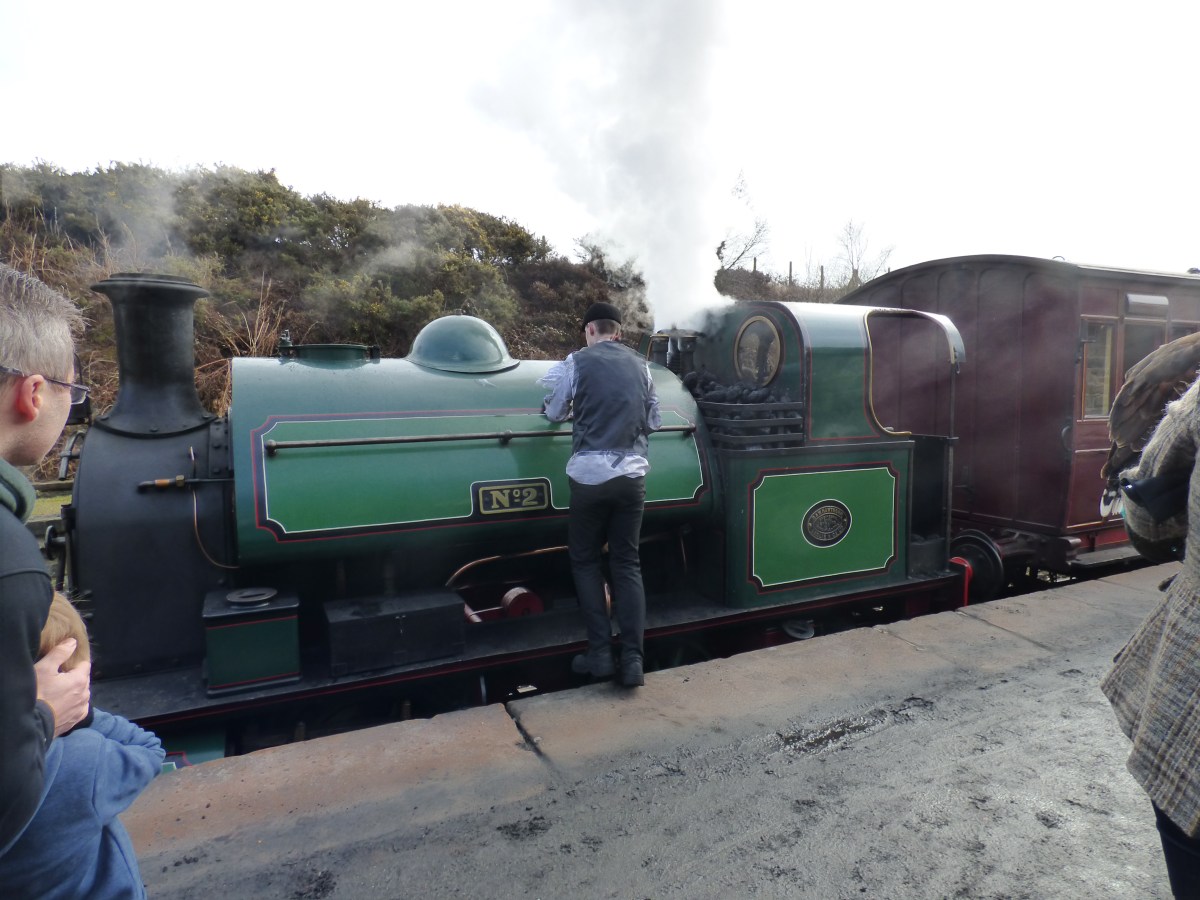
It was sleeting and Good Friday, there were folks in Victorian clothing carrying Birds of Prey and local clog-dancers performing in one of the sheds, it was a very typical country affair, we donned decent walking shoes to brave the mud and went in search of some interesting pieces of history and of course to see, hear and smell the beautiful steam train, chug-chugging in and out of the station to the sound of a couple with an accordion and a fiddle- with no doubt frozen fingers.


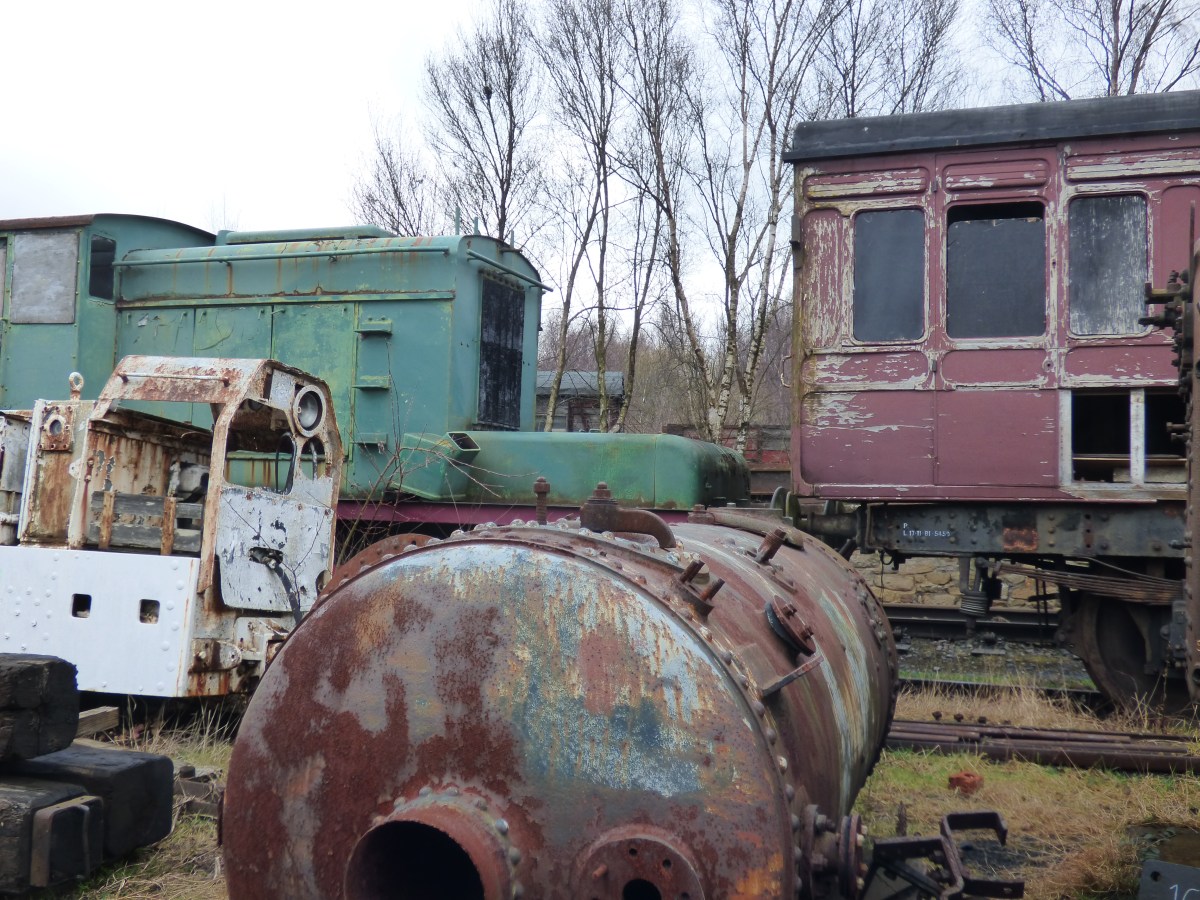
It was a thoroughly enjoyable hour and we were able to wander down the derelict sidings and see the workhorses of the past in their final resting places. There were engines being maintained and preserved in sheds along the way, and everywhere scattered haphazardly remnants of the great industrial past and the steam-train era.


I wondered how many souls had travelled aboard these carriages and whether their journey had been pleasant and if they had reached their destinations safely. We take so much for granted in our lives and being here reminds me that in those early days of locomotive travel, lives were particularly hard, it wasn’t just the coal and steam, but every aspect of working-class lives, and yet the locomotives went on to give us greater freedom to move at will and were clearly instrumental in enabling working people to travel to growing seaside resorts like Tynemouth, South Shields and Whitley Bay. By 1871, with the passing of the Bank Holidays Act thousands had begun to use the rail network to travel to the seaside. You see all of our history is entwined, the grimy bits, the bits we sometimes choose to forget but it is all part of the same story that has given us what we have now, and made us what we are now. The Industrial revolution is a significant part of our history and heritage and it is important to acknowledge all that went with it to do justice to all of those souls who came before us, the ones that lived, loved and died, often under dark skies in order that we might enjoy the fruits of thier labours and I stand proudly on their shoulders.

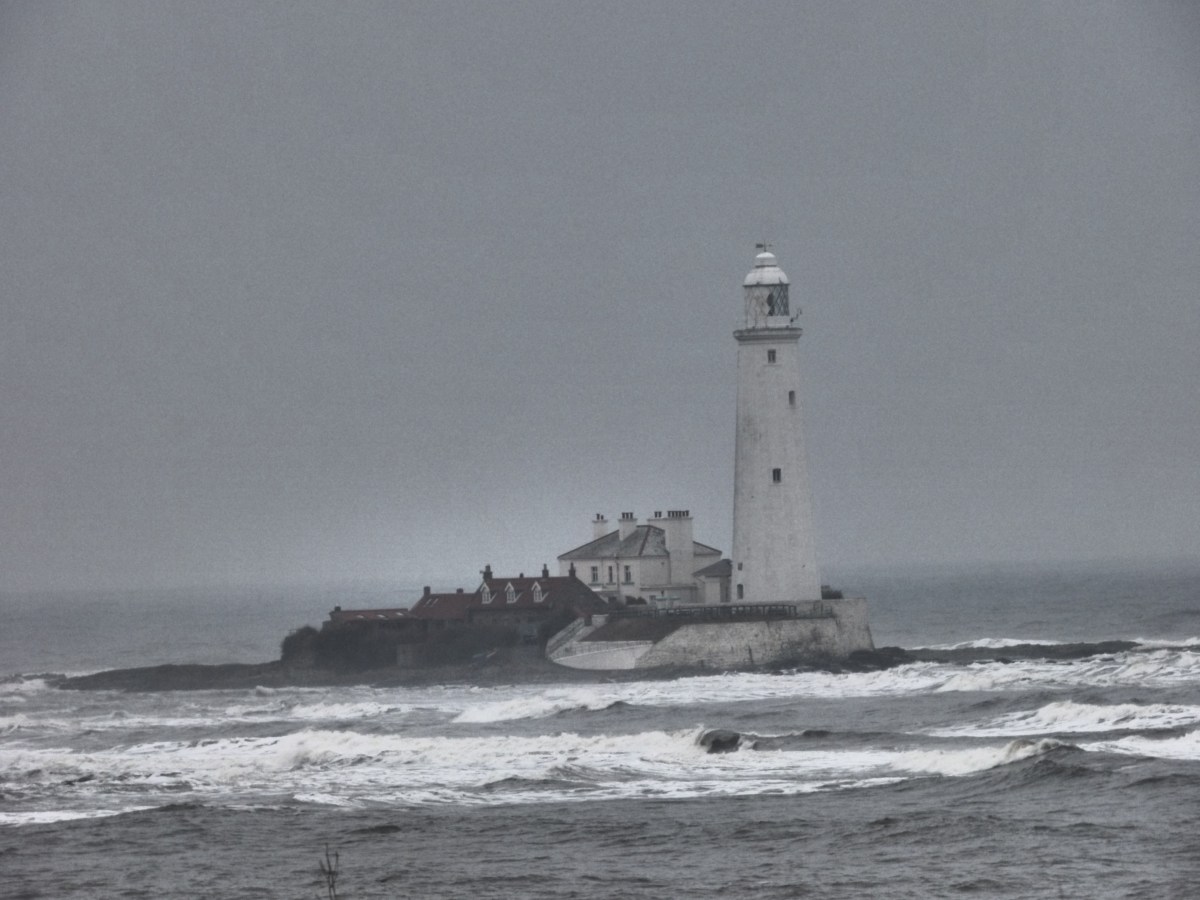
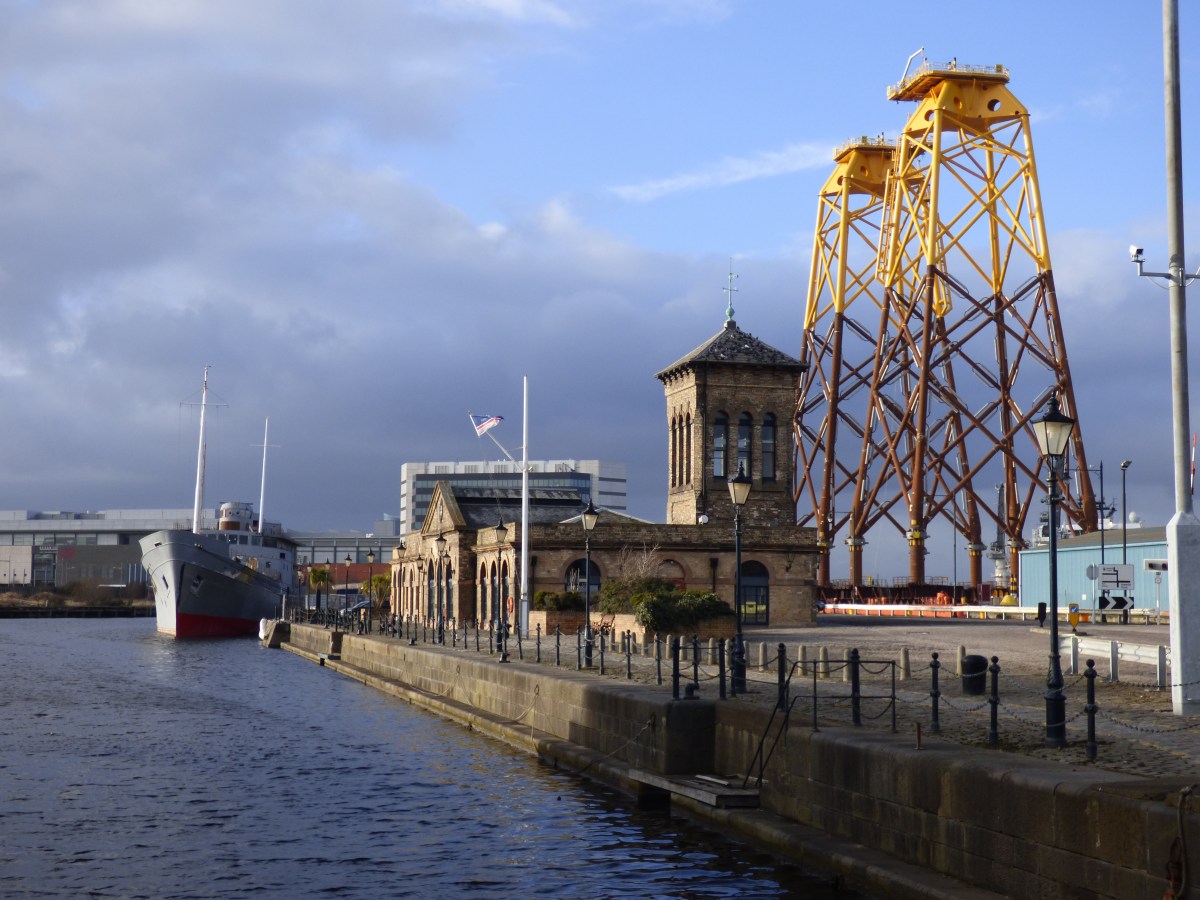
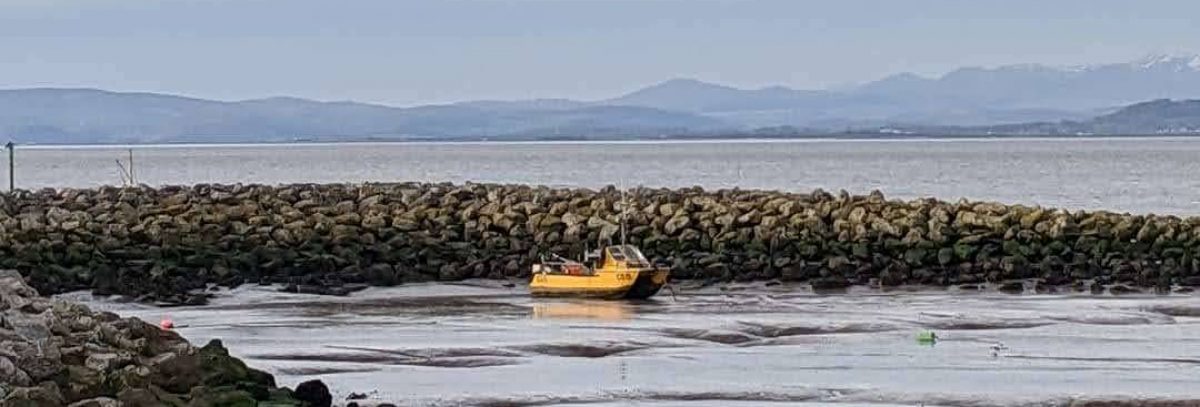
Own photos of Tanfield and Tynemouth.

©Alison Jean Hankinson


Pilgrimage in a post-industrial landscape.


Morpeth mopes amidst the mildewed mounds

Of coke and coal and grime hewn by hungry hands.

Derelict Silos silhouetted in a moonlit sky

Iron beasts and barren landscapes

Whilst Angel spreads her wings on hillside high.


Deep scars and seams of people slain

In Tanfield beneath the sleet and driving rain

The worlds oldest railway dilapidated in dormant sidings dies

Testament to Britain- the first industrial nation,

An epithet built on poor peoples’ lives.

©Alison Jean Hankinson


We spent Easter in the wind snow and rain, touring the North-East. This is for d’verse where we were asked to consider pilgrimage. To me this was a true pilgrimage. It was a journey I felt compelled to take. We stand on the shoulders of giants.

To the mining towns of the North-East

Olden days way back coal slack
Derelict mines chimney stacks
Biting winds-the sand is black
Pinched and poor we ain’t got jack.

©Alison Jean Hankinson

This is a Tanaga for d’Verse, it consists of a quatrain made up of 7 syllable lines with same rhyme.

We are in the North-East and it is a post-industrial landscape, and this is a tribute to the blood, sweat and tears of the colliers who contributed to making Britain the First Industrial Nation. #northernspirit  #northernsoul

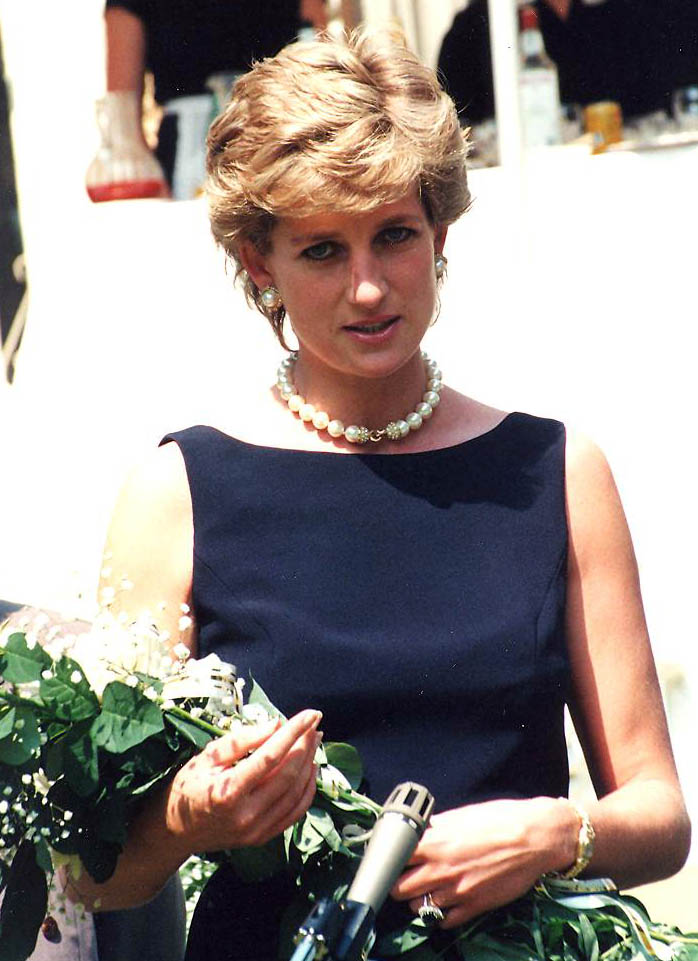
The legacy of a superhero.

Hopes and dreams like ripples across the water,

The moon casts it light surreal across the surface.

An abundance of voices remember and connect.

Your existence and your inner beauty left a shadow on my life

You reach beyond the grave and you continue to create your magic

Through my footfalls and my hands.

And through the light that continues to shine in the eyes of all those whom you touched.


©Alison Jean Hankinson

We had a prompt on d’Verse and it was about “super” and of course I think our lives and pasts are actually littered with so many superheroes and I think they leave a living legacy in that they touch our lives and change who we are and what we become.

I learned about the heroes of the cotton famine this week, and it made me proud of my ancestors, we stand on the shoulders of giants, and it is sad to say goodbye to Prof Hawking who has been a true superhero to so many. This poem was written about Princess Diana. The images at the bottom relate to the heroes of the Cotton Famine the Lancashire Cotton Mill workers.

The image of Diana was from the public domain and able to be reproduced.

Refreshed and rejuvenated.

I took a short break from writing as it was important to regroup, reflect and re-energise. I return now for the onset of spring hopefully refreshed and rejuvenated.

It seems as if the world has gone mad in recent months, and I am not sure that at 51 my life has followed the path that seemed inevitable or appropriate. I do know that at 51 in the UK wisdom and experience count for very little in the current cut and thrust of an austere economic climate. I find myself overqualified and overlooked for less complex jobs and career options and “too expensive” in my own line of work. We were led to believe that if we worked hard and demonstrated dedication loyalty and good work ethic it would lead to justified rewards this appears not to be the case after the age of 50.

Anyway enough whingeing. I must cart on. I must continue to believe that somewhere someone will give me a break and continue to be thankful for the understanding and support of my two current employers for giving me the opportunity to contribute in a productive and meaningful way.

I did need to take a break though, and I have done jigsaw puzzles, walked briskly, read a book, played scrabble and gone for a winter wander in our little caravan. I return to find the crocuses blossoming and the fresh scent of spring on the doorstep. Life continues to astound in its ability to restore order through and after chaos. There is a natural order that somehow continues to exist, first there are the snowdrops, then the daffodils and crocuses, soon it will be the cherry blossom and the tulips.

Onward and upward. Tally-ho.


©Alison Jean Hankinson

Moo Indigo-the ballad of Doris and Flo.

We are the trailer cows

Feel free to have a browse

It’s so fine to have you near.


Whenever you are feeling low

Take a breath real slow

And know we are here to cheer.


We munch and chew our cud

Wherever we are stood

We have no worries or fear.


We like it by the trailer

From here we can see who mailed ya

And our presence brings you here.


We like to swish and moo

We’ll always make room for you

Just don’t stand too near our rear.


Moove over Duke-love from Doris and Flo…


©Alison Jean Hankinson

This is intended to be fun. It was written for d’Verse poetics and inspired by the beautiful and emotive photography by Sharon Knight. This image was entitled Trailer Cows and was from https://sunearthsky.com/

We were given permission to borrow the images.

I liked all the images and would have enjoyed writing about many of them but this one captured my imagination the most. I was taken by the two cows, whom I named Doris and Flo.


Simple things

It was a simple gesture

………………….  As the sun rose the seedling grew

Nosed its way nonchalantly through the weeds.

…………….  Caressed by early summer sun,

Nourished by November rains.


With all its might it pushed through the merriment

Of opportunistic pumpkins and weary watermelons

And reached high for the sky,

……….  One leaf at a time,

stretching                sighing               saluting the sun.


It was a simple gesture

…………. It spoke of unfaltering love.

………………………… The sunflower smiled

…………   And reminded me that life is enriched

By the simple things.


©Alison Jean Hankinson.

This is for d’Verse meeting at the bar, where we were asked to consider silence. This sunflower was in my garden in NZ, planted as a seed by my husband to cheer me up in  Spring/summer 2014 when I was unable to tend the garden following major surgery. I could see it from the bedroom window.