
September Sami,
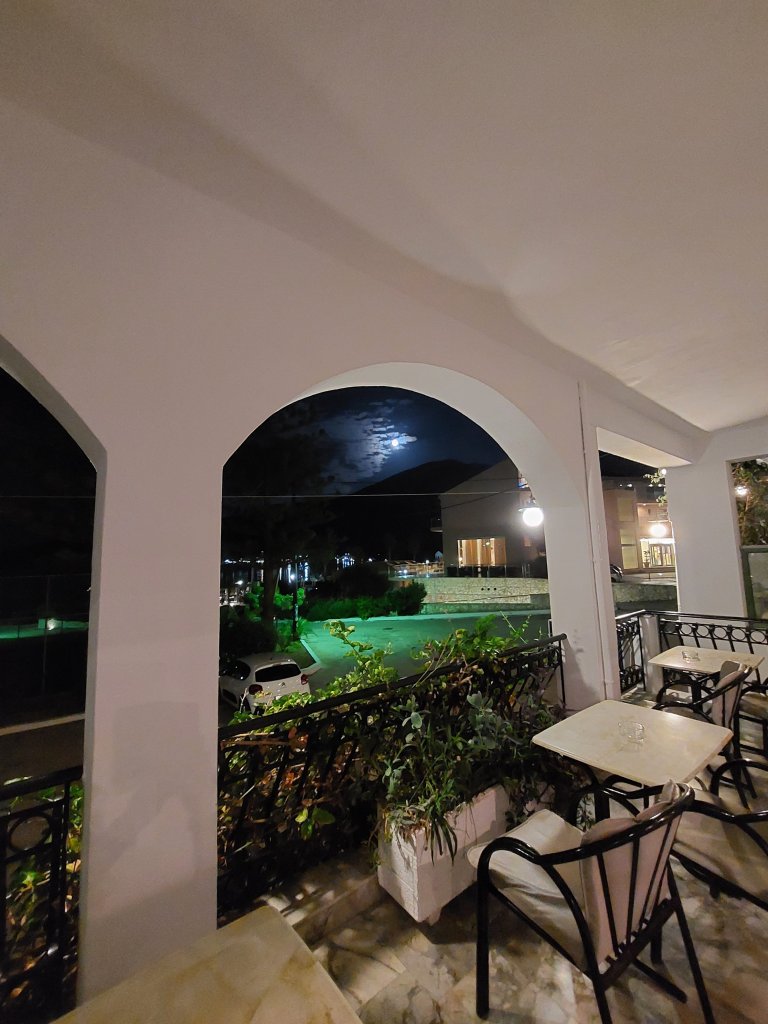
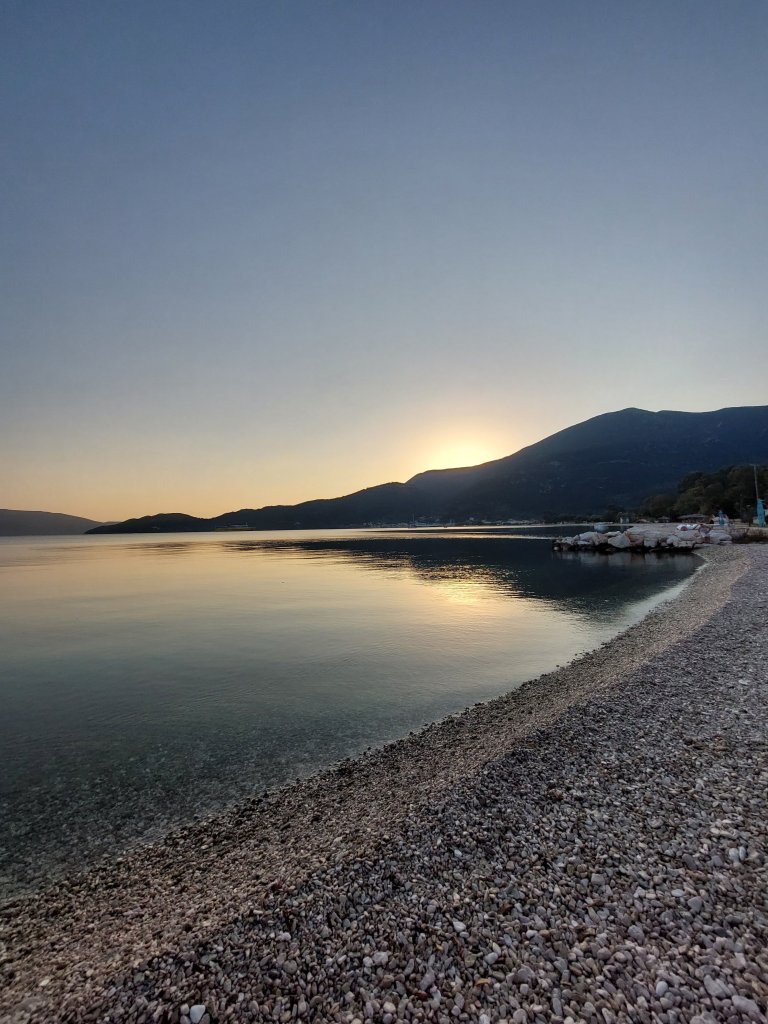
Sea breeze, sunset, harvest moon
Late summer Swan song.
© Alison Jean Hankinson.
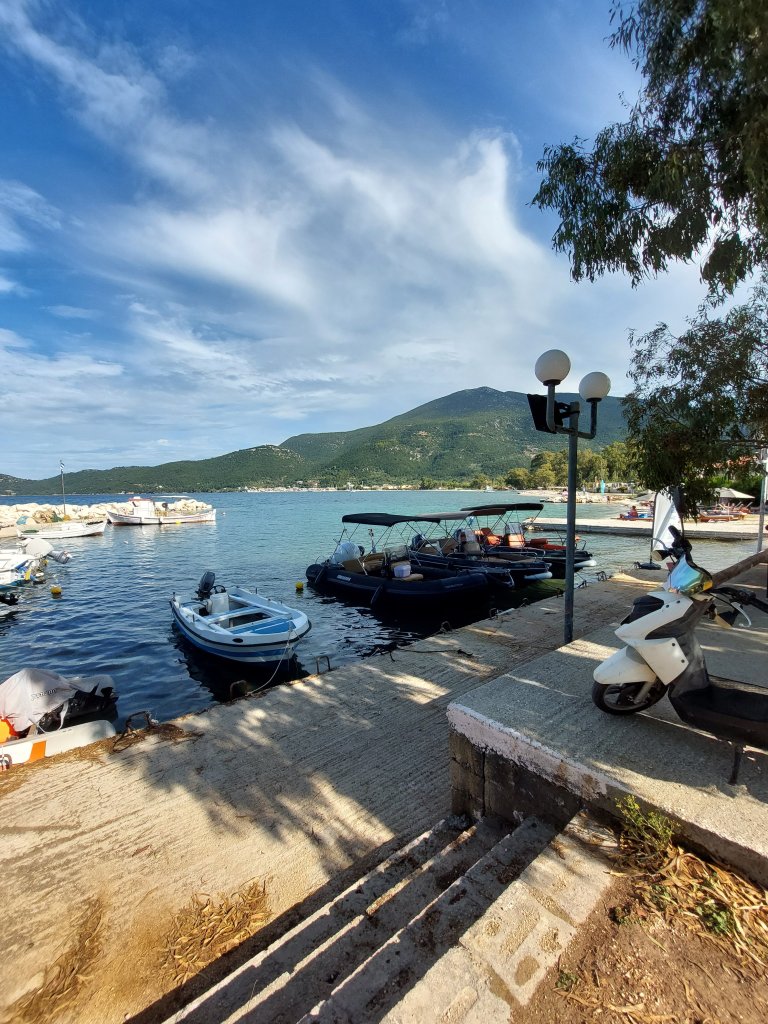
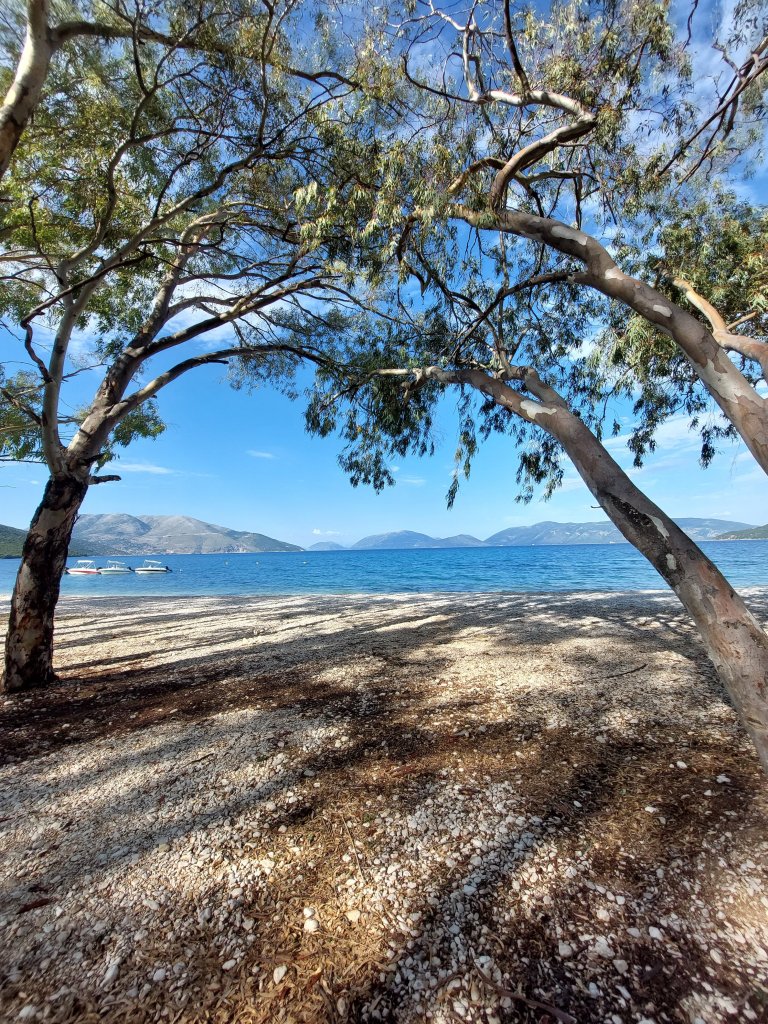
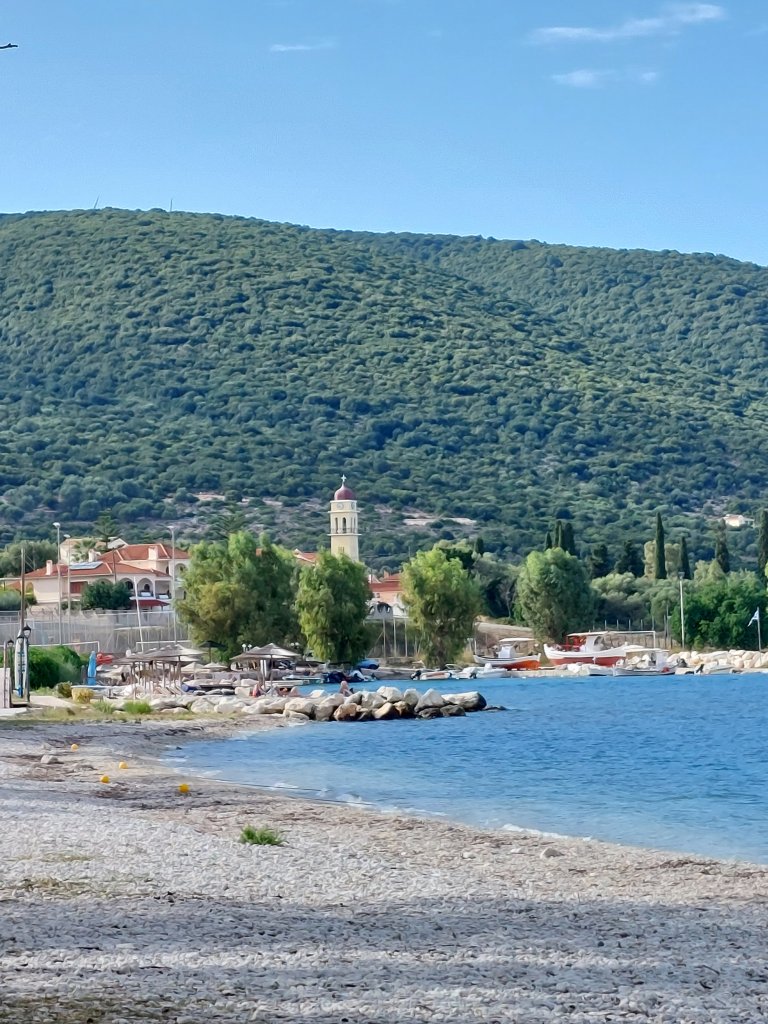
We are on holiday in Sami, Kefalonia. It is beautiful. This is for d’Verse open link night.
Turbulent thoughts keep me awake long into the night.
I hear the church clock chime half past three
I wonder if sleep will come and rescue me from the horrors of my mind.
She is just out of reach, the day is long, I call her name over and over again.
I will her to turn and face me, to know the dangers and the joy that mark the journey ahead.
I will her to collect the gifts that I have left for her in my imaginary trees.
A gemstone, aquamarine to give her courage and strength.
An amulet in the form of a necklace fashioned from a treasured threepenny piece.
An orchid dipped in silver to remind her of her inner beauty and remind her of her feminine strength and stoicism.
She is her mother’s child. Strong and stubborn with a compassionate core and a kindness that cannot be compared.
But she has her own demons, they stare her down and gnash unsparingly at her heels making it hard for her to make headway in the ferocious fetid storm of my mind.
I will her to turn to face them, to burn their eyes out with her own inner fire, to blind them with her light.
My child you have the strength of you, and the strength of me,
And then there is God and God makes three.
We are with you through the long lonely night and into the joy of a new day and a new dawn.
© Alison Jean Hankinson
This is for https://dversepoets.com/
We were asked to think about signs. This came from a really vivid dream I had a while back. I think it was when my Daughter was experiencing a lot of change and the dream felt very real. I think I wanted her to know that it will be what it will be, and that we have to trust that it was supposed to be this way.
Watching the waves break at dawn
My past washes away with the tide.
A gentle breeze elevates my thoughts
Some greater force acting as my guide.
©Alison Jean Hankinson
The scene is set in the Covid pandemic where 100 year old Violeta casts a backwards glance to a century of conflict, upheaval, separation bountiful love, joy and enigmatic existence.
She was born against a backdrop of burning fevers, Spanish flu followed by a caustic double coup.
It was the beginnings of an extraordinary ordinary life. Violeta experienced extremes of early privilege followed by extremes of poverty, prejudice and dislocation. It shaped her into a formidable and compassionate woman.
The curious relationships she encountered throughout her life added a colour and vibrancy and her ability to thrive and survive through family tragedy and disappointment are woven so intricately within the turbulent political tapestry of the time. To walk with Violeta and see the world through her eyes reminded me of the raw incredible beauty of all that is woman, the scars, the suffering the survival and the soulfulness.
© Alison Jean Hankinson.
D’VERSE for Thursdays challenge. We were asked to write poetry prose about a book we had just read. I read Violeta by Isabel Allende
They come in flocks, to pay homage to Hadrian.
It is a pilgrimage of sorts, they walk, they cycle, they tread the Roman way,
Along Hadrian’s wall.
All the way from Tynemouth in the East
Coast to coast, a formidable trek,
But it was our home long before it became their rite of passage.
Mum loved it here. The Solway, Port Carlisle, Bowness on Solway,
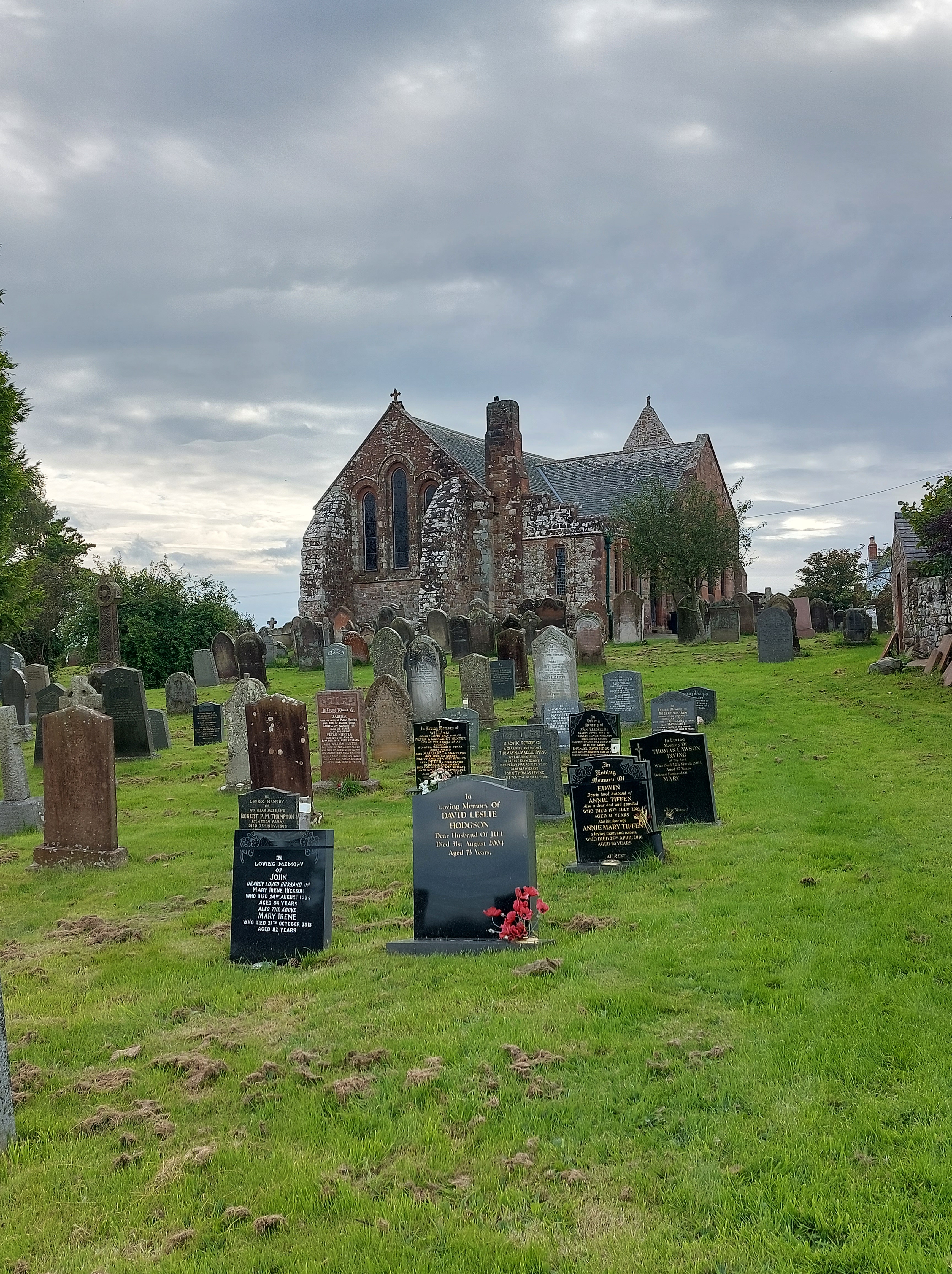
St Michaels Church- in all its 12th century glory,
Magnificent against the backdrop of late summer sun.
She would wander through the gravestones,
And ponder on the lives of those laid to rest.
Listen to the birdsong and the lap-lapping of the incoming tide.
Dad and I take her flowers, more of an amble than a walk,
We sit a while, feel the onshore breeze, look for driftwood,
Taste the salt of the outgoing tide
And wonder if Hadrian’s footsteps trod this hallowed ground before us.
One day perhaps I will walk the full length of the wall
To make my own final pilgrimage.
©Alison Jean Hankinson
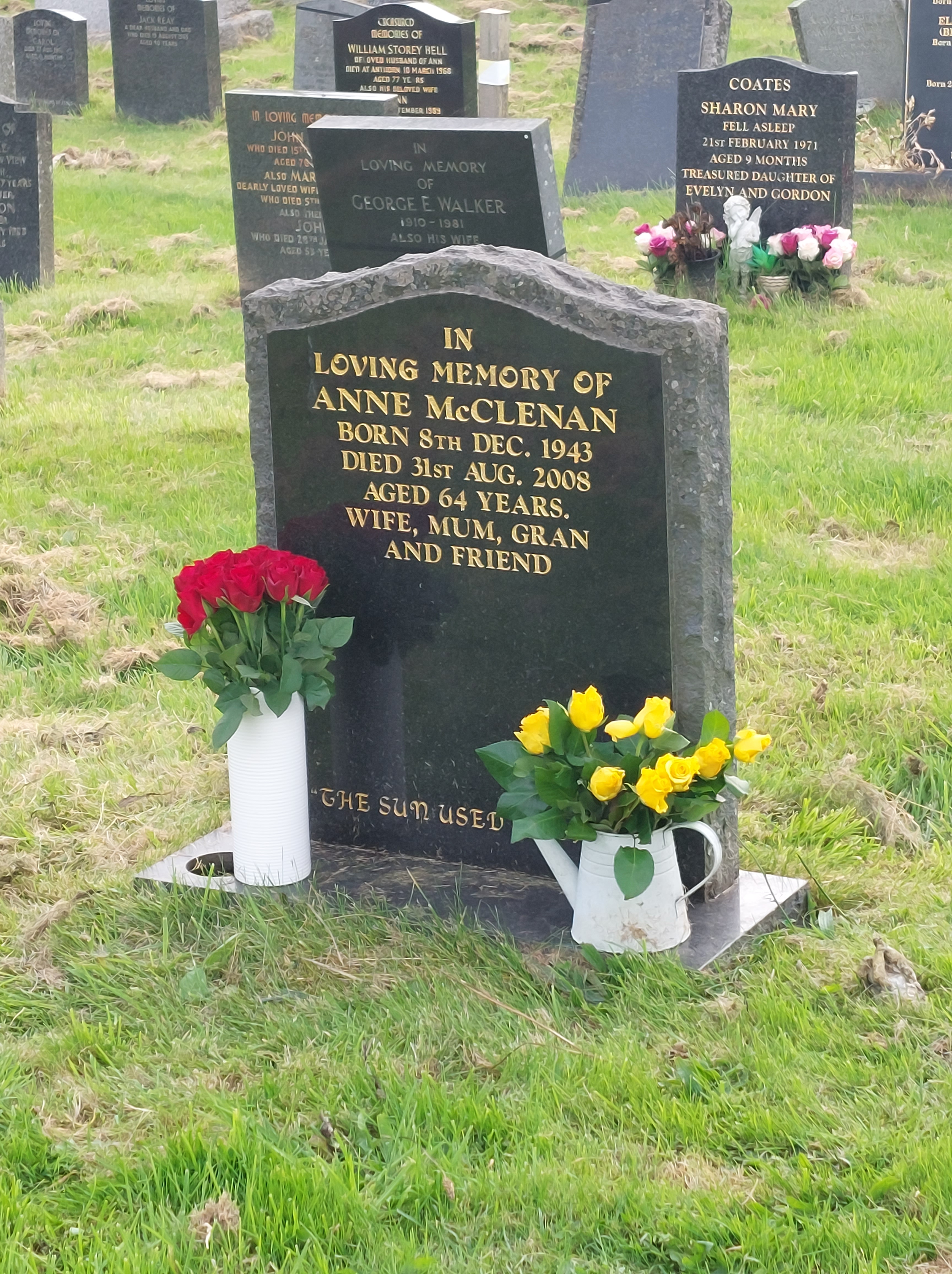
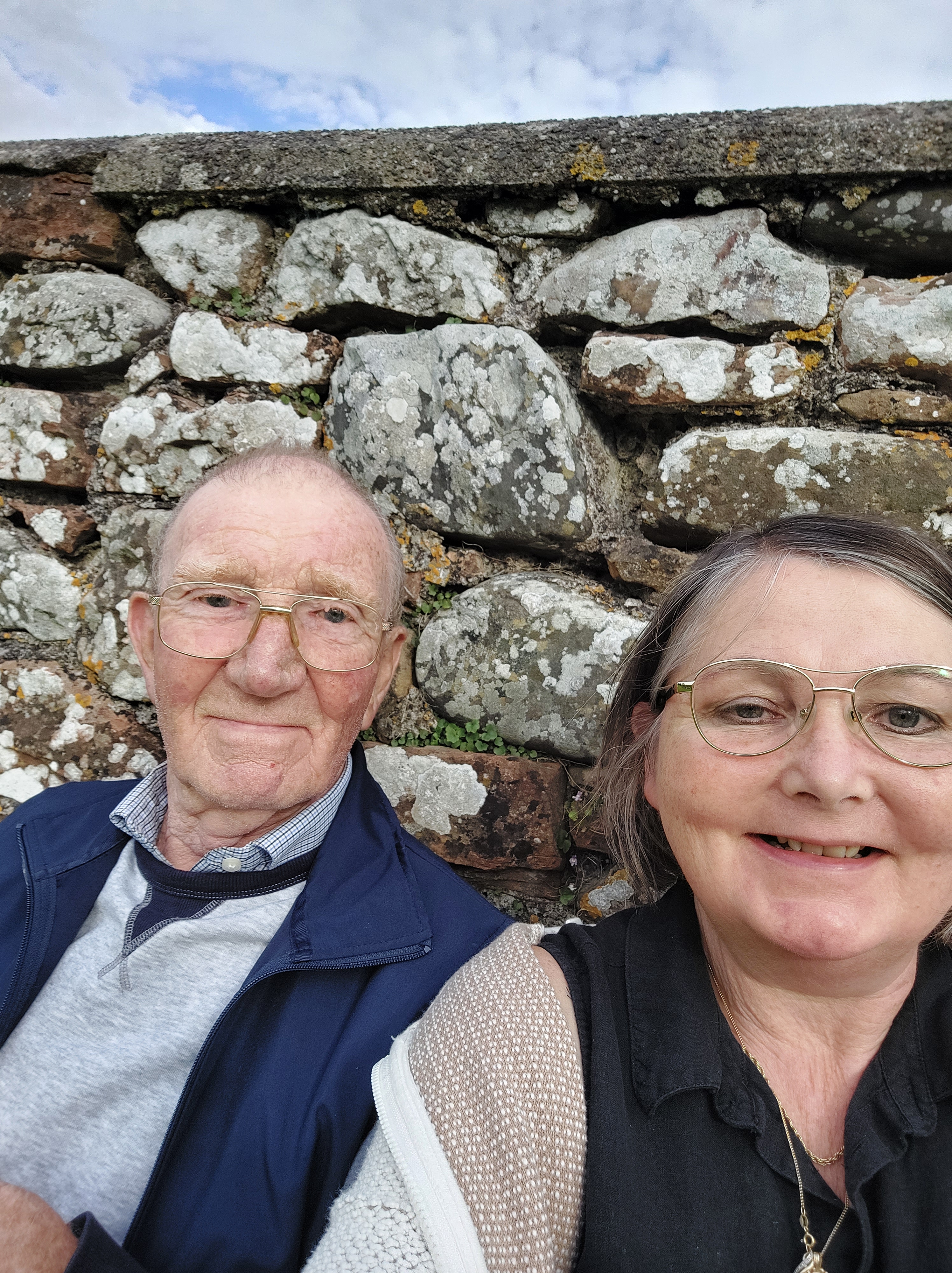
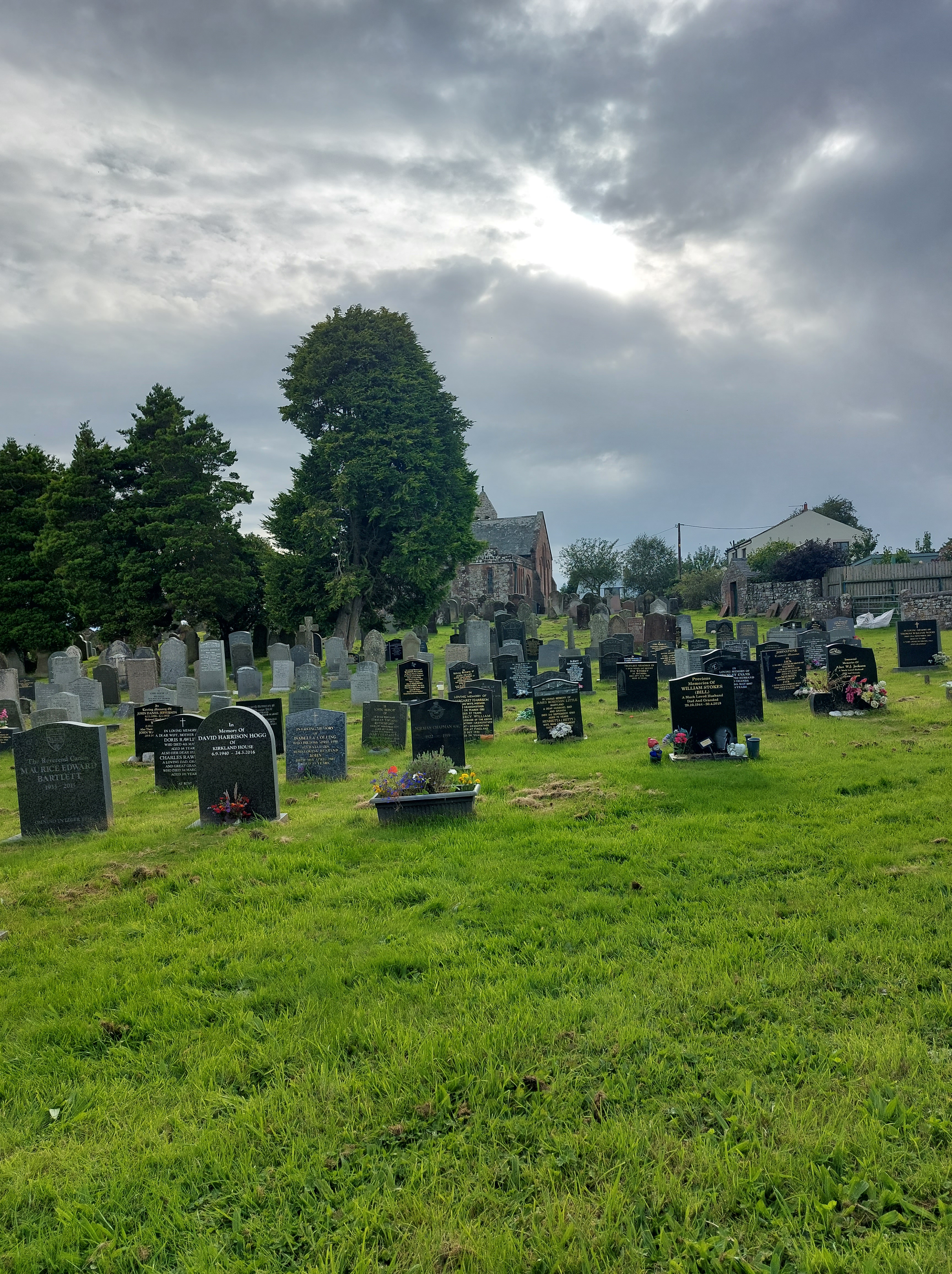
This is my offering for Poetics, still blowing the cobwebs off. We needed to think about a walk. This was my outing with my Dad last week on Mum’s 15th anniversary.
d’Verse Poetics with Lillian
In a very small moment,
right before the crack of dawn,
I caught my reflection in the bathroom mirror.
I saw a sliver of courage,
a small glint of steel in a hopeful eye
and knew that everything would be
just as it should.
©Alison Jean Hankinson
Hello to Kim, it is a long time since I have done this, so it took a sliver of courage.

I actually spent a lot of 2021 overcoming a variety of somewhat self-caused health adversities. I began the year with a goal of completing a 5km park run, it was a rollover goal as the Covid pandemic had thwarted my efforts in 2020 and it certainly continued to do so for the first six months of 2021.
I adopted what I thought was a sensible regime for a person of my age and health status to get to the required level of fitness, speed and stamina to achieve my 5km goal to be completed in under 40 mins. The first two months I suffered with shin splints and invested in good running shoes and compression socks and then for a couple of months there was no stopping me.
I did really well in the first five months and got to a place where my base run was 3.4km and I could comfortably complete 5km in the 40-minute bracket but just as the summer sun began to shine my desire to hit 20km per week with 4 main runs saw me acquire a hip strain which put me out of running for a full six weeks, just as the park runs opened their doors. I wore it well and used the bike and cross trainer and began a journey into pilates to strengthen my core so that as soon as possible I could resume my running journey.
It was August 4th and it was the day of reckoning, I donned my shoes and out the door, but after a mere 2.1 km had to stop as my right calf was seriously hurting, I limped all the way home, and did every variation of raise ice bathe through a full shift at work before dissolving into a heap of tears at the end of the day and getting hubby to take me to A and E. I explained that I thought I had stress fracture in my tibia, they were busy and triaged me standing in the corridor and thought my story laughable especially as I was still standing and sent me home to go to the urgent walk-in centre the next day.
Xrays, one MRI and 10 days later it was confirmed and they finally gave me a pair of crutches and sent me home with a moon boot. The recovery was slow and I was told in no uncertain terms that running was off the cards for the rest of the year.
What did I learn, I learned that I should have been content with the fact that I was able to run 5km and kept a regime that was suited to me, and not the same regime that everyone else seemed to have adopted. I was part of a FB running group for more mature folk but they were all notching up marathons at weekends and managing the likes of 5km a day and they all had stories, and yet they weren’t natural-born athletes. I didn’t need to run 20km a week though or a marathon at weekend. I liked the fresh air and the rain and the scenery and the exhilaration, the challenge, the sweat, the sweet joy of success, all of which I could easily achieve in what was my base run of 3.4km. I could run 3.4 km two or even three times a week and it was working wonders for my cardiovascular health and self-esteem and I didn’t need to feel that this was inadequate or not good enough. That goal of competing in a 5km park run is still a goal I can still aim for it, but maybe I have to recognise that at my age with my bone health there is no shame in a little bit of jeffing along the way especially if that means my bones won’t break.
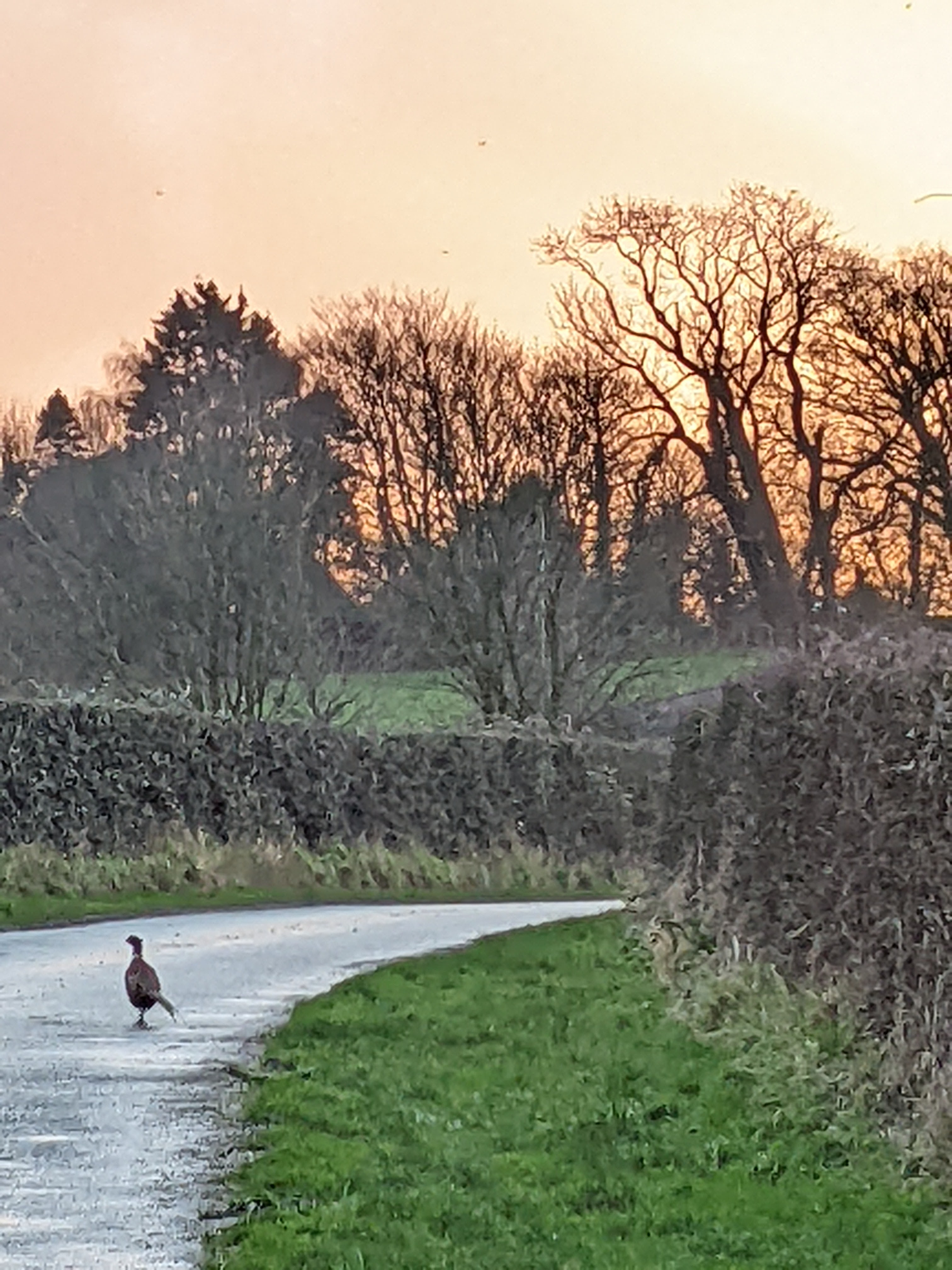
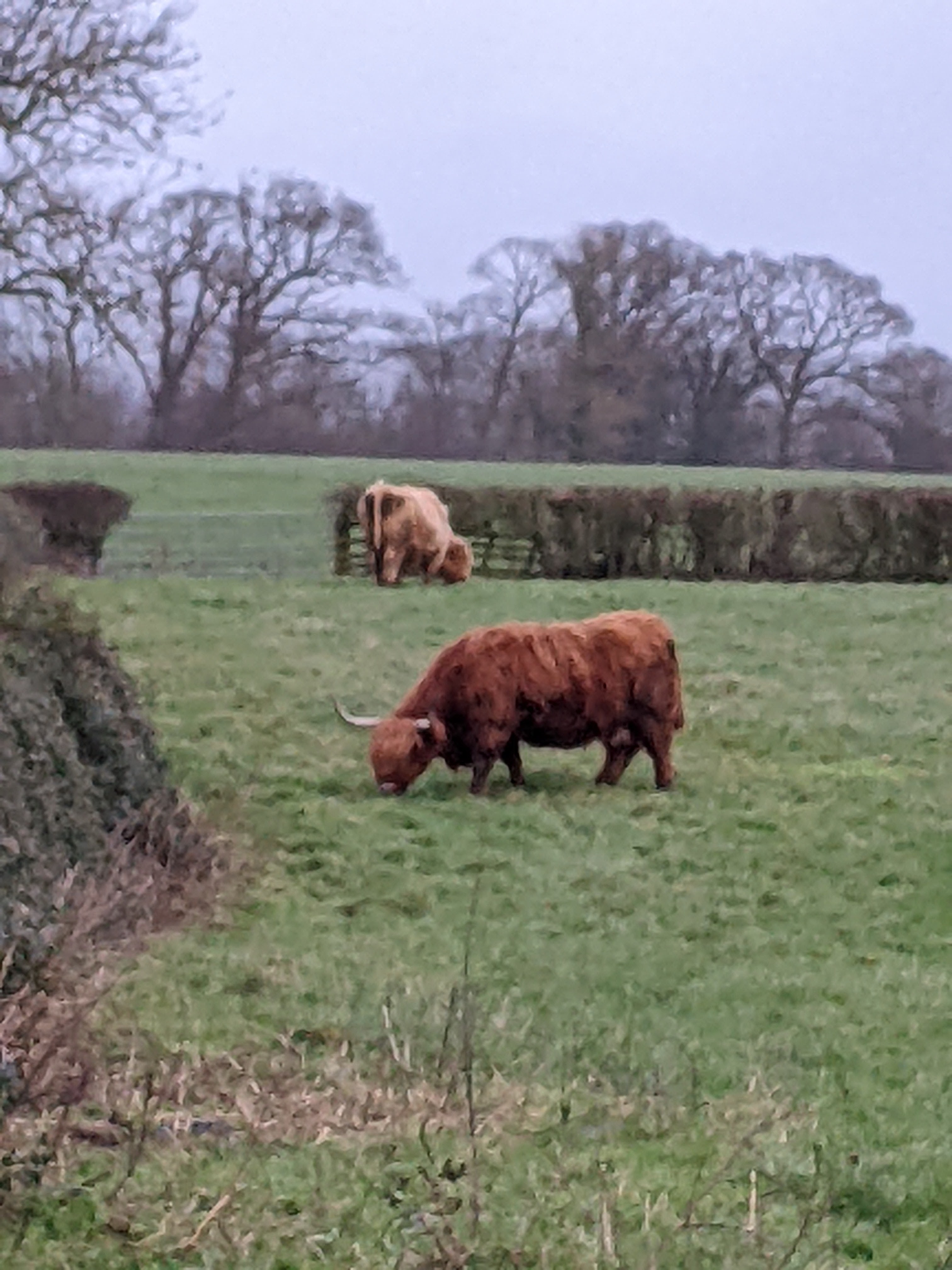
2022 is going to be the year of acknowledging me as myself and not as something that needs to be compared to anyone else. I am going to run because I enjoy it, but get to a physical point first where it is going to be possible to do it safely. I have started by looking at running off road as the shock through the bones from tarmac is significant and I am going to ensure that for every amount of running I do I give my body the right amount of time to recover. I have started by gradually increasing my walking and by researching and finding some good off-road routes, they are better walked at this time of year when the winter has rendered most of the local terrain boggy sludgy. Walking takes a little bit more time so I need to make sure I plan accordingly, but already it is bringing its own joys, in my late afternoon walk today I encountered a Hare, some pheasants, two Highland cows and witnessed a beautiful sunset.
In 2021 I learned that it is now time for me to learn about me, the me that lurks beneath. I had pineapple juice with my tea tonight because I like pineapple juice, I have gone back to playing in a band because I enjoy music and I love playing in a band. So much of my life has been centred around caring for and pleasing others that I have had to actually physically take stock of which few moments are mine and which are because they are expected or belonged to someone else. It is a time of experimentation. I have never really had a big sweet tooth, and I can finally verbalise that it is largely because I do have a preference for darker chocolate. I like after eight mints, dark gingers and walnut whips. I like smoky bacon crisps and eggs on toast. I like tomato soup and spicy food. I like a glass of Port and Wensleydale cheese with cranberries.
I like listening to music, making things and learning new things. Today I have been teaching myself how to use formulas in spreadsheets and that’s okay, because I enjoyed it.
So 2022 is a year of liberation and freedom, I don’t have to be an instagram post, I don’t need to be the best at anything at all, I don’t need to win at anything, I don’t need to measure myself against anybody else. It really doesn’t matter. Every moment where I derive pleasure in some aspect of my own life, no matter how simple is a win for me. I have absolutely no idea why it has taken me 55 years to work this out.
We were brought up as hard-working, strong working-class women, we had access to a good education, these things shall be, but there was also a great deal of passivity that was ingrained in our very being and that boiled down to the fact that we always deserved less, somehow we were never worthy enough and someone else always deserved more. The truth is though that we never deserved less, and we were always worthy enough.
ⓒ Alison Jean Hankinson
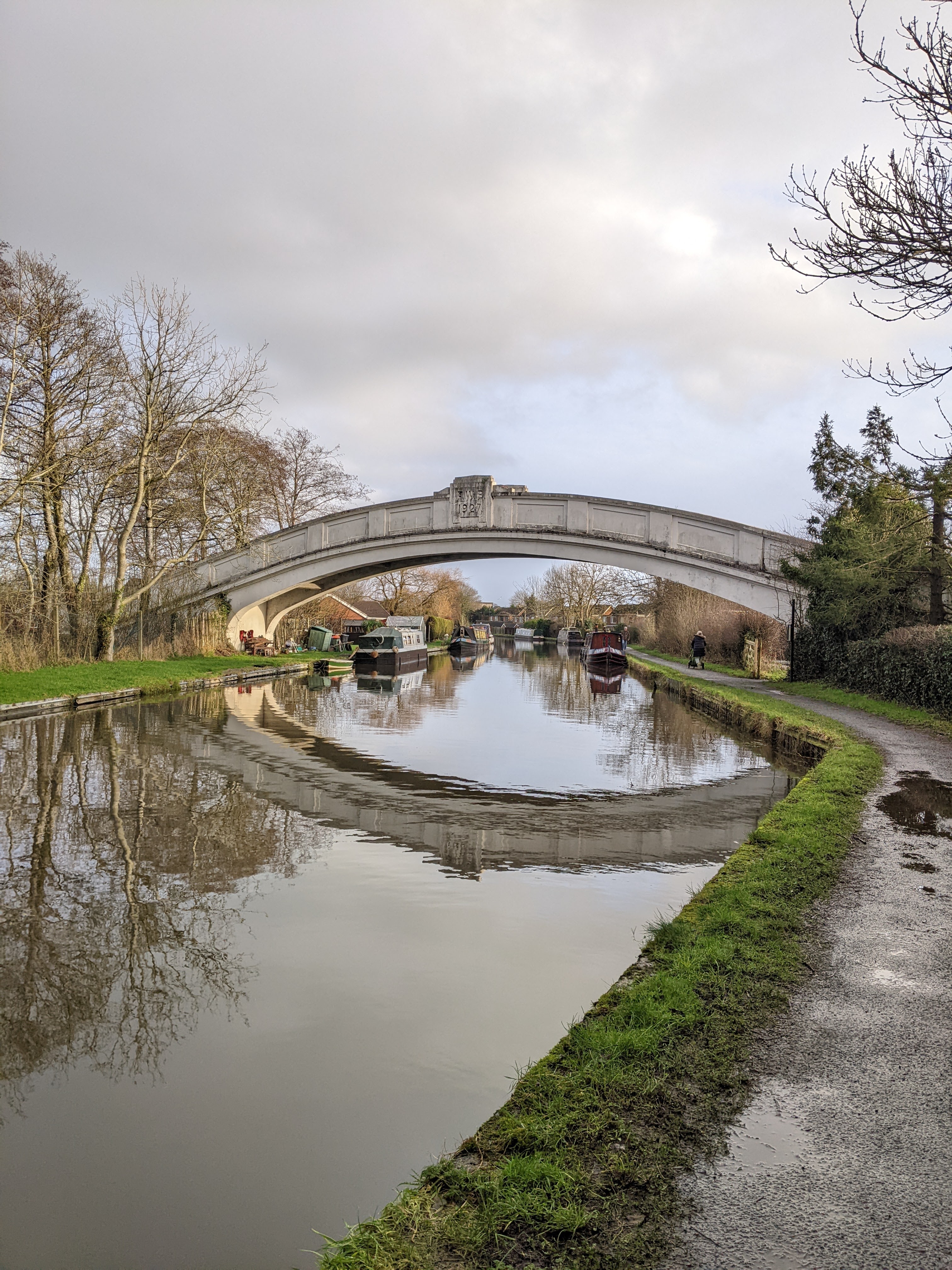
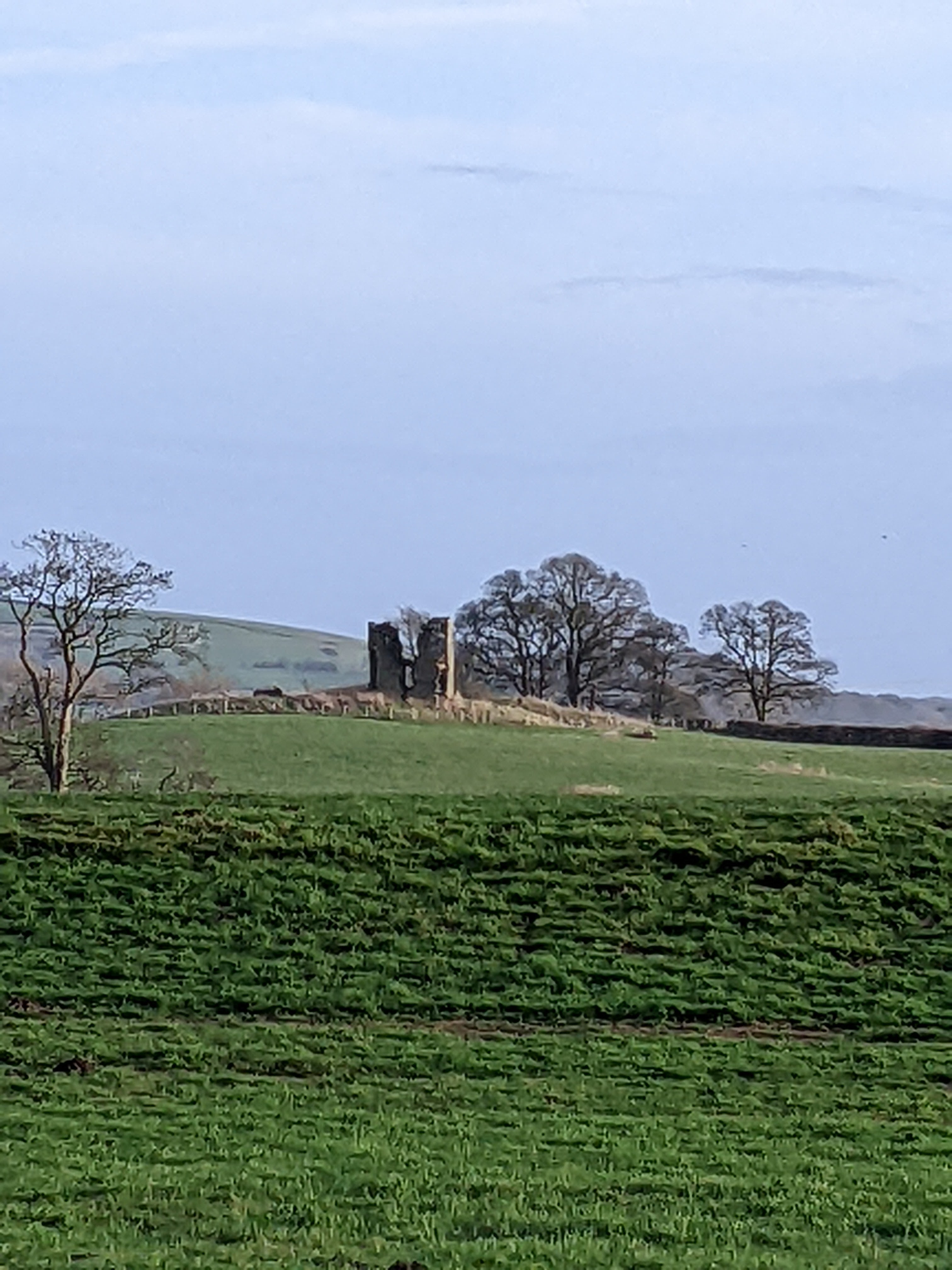
Historically speaking the origins of Fleetwood might go back to Roman times but the Fleetwood you and I know really dates back to the nineteenth century when the area was developed as a fishing port and seaport.
The manor house at Rossall had been notable back in the 16th century and it was later taken over by the Fleetwood family, they were a respected baronial family whose lineage dated back to the 14th Century.
It was Peter Hesketh, a Fleetwood descendent through his maternal lineage, who effectively created what we know as Fleetwood. He was Lord of the Manor, High Sheriff of the County of Lancashire and MP for Preston, and he had designs on creating a port at Fleetwood an extension and link to what was the existing port at Skippool. He commissioned an architect to plan the town and envisioned a thriving port at the sheltered mouth of the River Wyre. It seems so strange to think that it was entirely a planned town unlike so many of the other towns that flourished and grew during the Industrial revolution.
Fleetwood for a short time became a well-travelled routeway to Scotland, and folks would board ferries at Fleetwood to take them to Ardrossan where there was a rail link to Glasgow. It also began to flourish as a market town and seaside resort, the market was established in 1840 and the rail links enabled it to became a popular day trip resort especially at Whitsuntide Week where thousands of trippers travelled to Fleetwood on the half fares offered by the railways. Fishing also became an important part of Fleetwood’s economy and by the late 1870’s Fleetwood had become the third largest fishing port in the country. It was the Cod wars of the 1960’s that caused the collapse of the fishing industry.
There were maritime tragedies and one of the saddest was the sinking of the trawler Michael Griffiths which got into difficulties on January 30th 1953 during the great storm. She put out a mayday just eight miles South of Barra Head, but the wreck was never found. All 13 hands on deck were lost despite the search efforts of lifeboats aircraft and a destroyer and a combined maritime effort from both England Scotland and Ireland.
Ferries from Fleetwood took travellers to Ardrossan, Belfast and the Isle of Man, but the ferry services gradually went in to decline towards the end of the twentieth century.
No story of Fleetwood would be complete without mentioning “Fishermen’s friends”, and the very first ones were developed James Lofthouse, a Fleetwood pharmacist in 1865 to help with a variety of respiratory complaints suffered by fishermen working in the extreme conditions of the Northern deep-sea fishing grounds. The mixture was originally a liquid but he then began to manufacture it in a lozenge form that was easier for the fishermen to carry around. In the 1960’s Doreen Lofthouse (a Lofthouse by marriage), turned the lozenges nicknamed Fisherman’s friends into an international renowned product/business with global exports and reportedly still producing 5 billion lozenges annually.
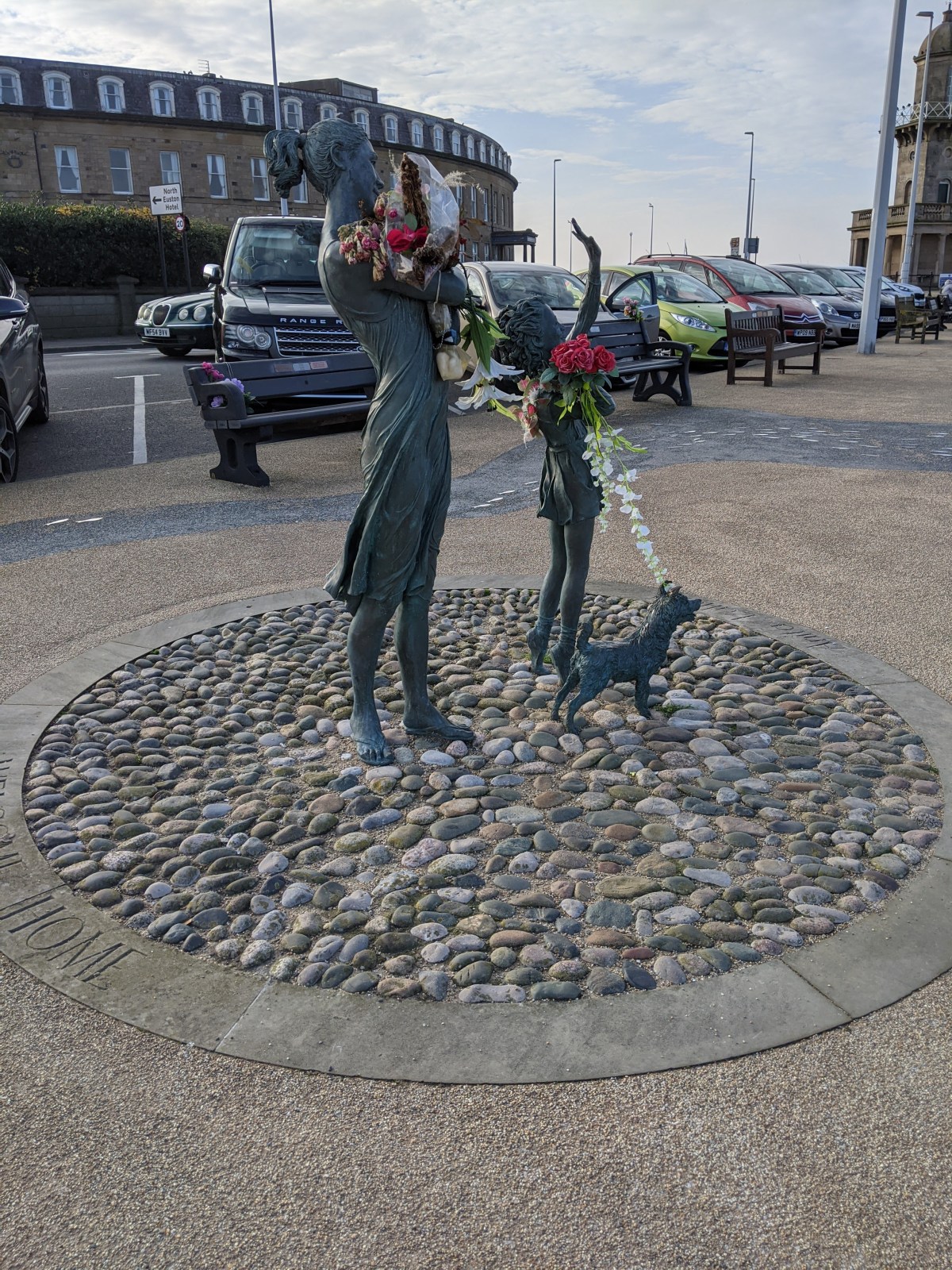
Doreen Lofthouse was a philanthropist as well as a shrewd businesswoman and always contributed to the upkeep and maintenance of Fleetwood and funded many charitable projects including a Lifeboat for the Fleetwood RNLI and the Welcome Home statue on the Promenade. For her charitable works she was awarded both and OBE and an MBE in her lifetime. She passed away in March this year at the grand old age of 91. She bequeathed £41.4million to the Lofthouse foundation to continue to support efforts to revitalise the town. A true gem, she has often been referred to as the Mother of Fleetwood.
©Alison Jean Hankinson.

When you have lived in different places it is almost as if you can never unlive those experiences and you become almost spiritually homeless. It isn’t so much about not belonging as belonging to more than one place. When we went to New Zealand we suffered huge culture shock at the beginning but then became assimilated and the reverse culture shock when we returned to the UK more than 10 years later which was just as punishing. What was suddenly glaringly apparent was that anyone who had never lived in another country with another culture had no real concept that in other places there might be other ways of doing things that are almost opposite and yet apposite and make perfect sense if you are in the other persons place and shoes.
In fact shoes are a prime example.
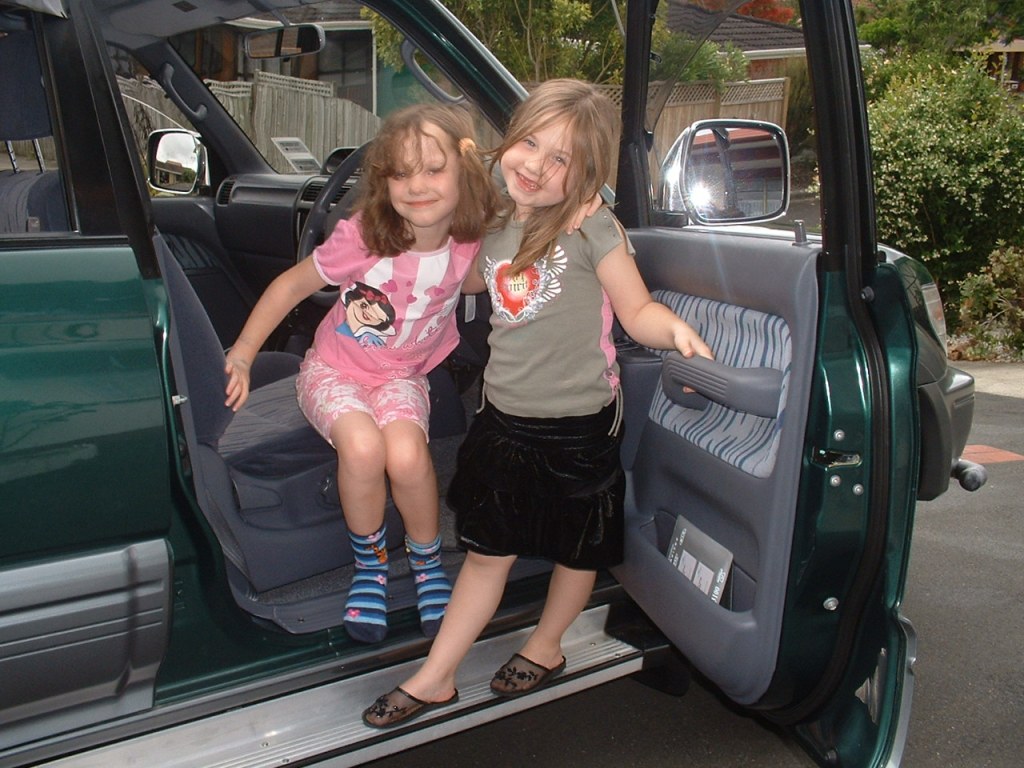
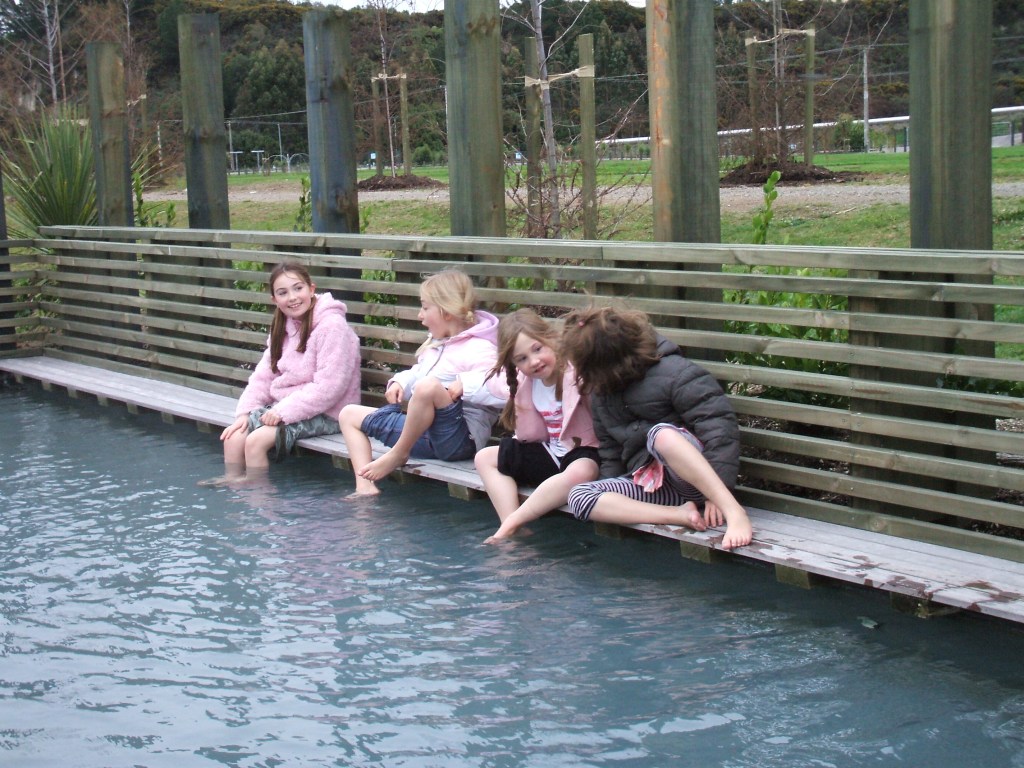
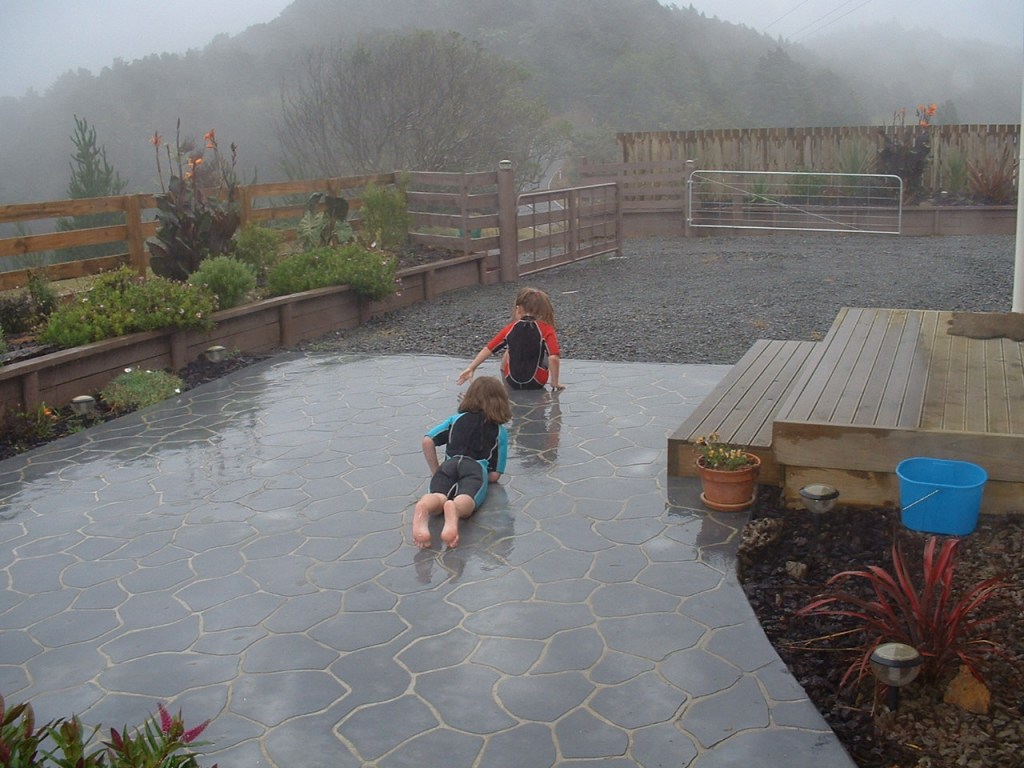
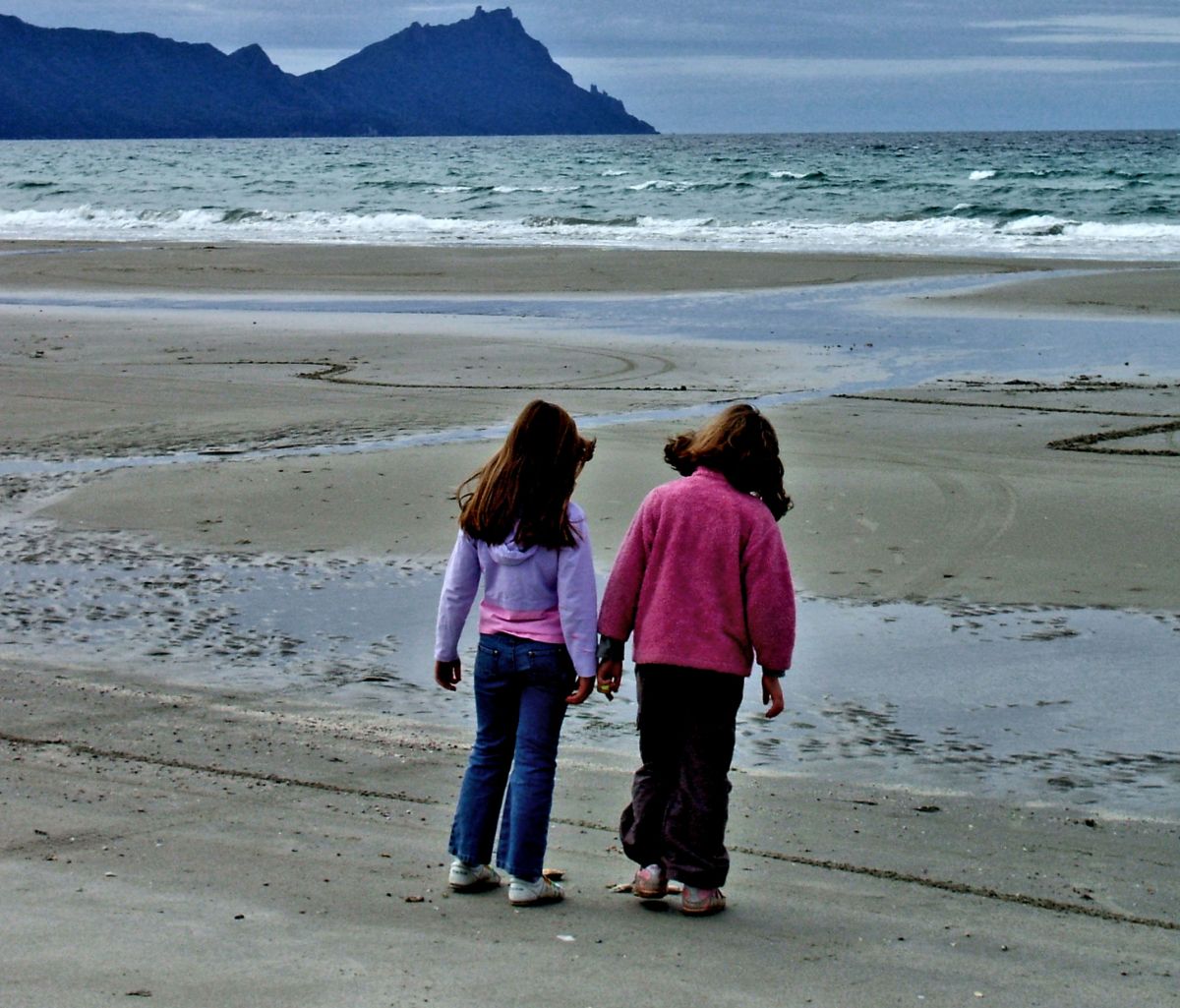
We arrived in Whanagrei in the early summer of 2006, and the first thing I noticed as we drove through the centre of town and along the main street was that the children were barefoot, they weren’t wearing any shoes. You have to remember that we had never visited NZ, and I had engineered all of our migration from the living room of our detached house in the Isle of Man with the aid of my trusty computer. All my assumptions about Whangerei were based on what I knew of towns of that size based on my exisitng experience of the UK, US and Europe and a little bit of applied logic. Shoes had never entered my head, I had never studied shoes. My first thought and reaction was- Oh no they must be poor. I have brought my family to a poor place where they can’t afford shoes.
My knowledge of shoe habits was entirely linked to my own poor range of experience and my very working class roots where shoes were actually a symbol of security wealth and status. The wearing of shoes indicated that your family could afford them and they were worn with pride and tended only to come off your feet at bedtime. There were also cultural overtones to shoe wearing, there were new shoes or special shoes for special occasions, in childhood the Whit walks always guaranteed a new pair of shoes, generally white (so very different to school shoes) and obviously the start of a new year at school was always a new pair of appropriate footwear. I also got into very big trouble one year when I was sent out with money to buy my own shoes and came back with an aquarium and two terrapins from the market- no shoes.
In the early 1970’s some family friends of ours emigrated to South Africa, we helped them pack and saw them off and when they came to visit in 1983, they regaled stories of barefoot children, and even though they said they strolled barefoot, to my mind it conjured up images of sand and dirt roads and I wondered how their feet were not cut to ribbons on glass and debris. The stories did little to challenge my clealrly poor understanding of culture geography or shoes.
So here we were in a hire car, all our wordly goods in the car-boot, two children aged 6 in the back, and we had moved half way round the world on a whim to wonderful Whangarei and despite the drizzle and the umbrellas, there was no mistaking that these people were roaming the streets with no footwear. So I had resigned myself to the fact that our new home was a place where there was abject poverty. The truth was and still is, that to some extent Northland and Whangarei could be described as of lower soio-ecomomic status compared to other parts of New Zealand, but what it lacked in economic wealth it more than made up for in culture, compassion and collaboration and the shoe issue was absolutely nothing to do with the economics of the place.
It soon became apparent that in this new place it was more respectful and appropriate to be barefoot and in fact in virtually every Northland place and home there was a cultural expectation that you would remove your shoes and leave them at the entrance/doorway. We learned this very quickly as even when viewing houses this expectation was a non negotiable. We quickly learned that the best and most appropriate footwear was footwear that could be removed quickly and easily and not mourned and grieved for if it was forgotten or left behind.
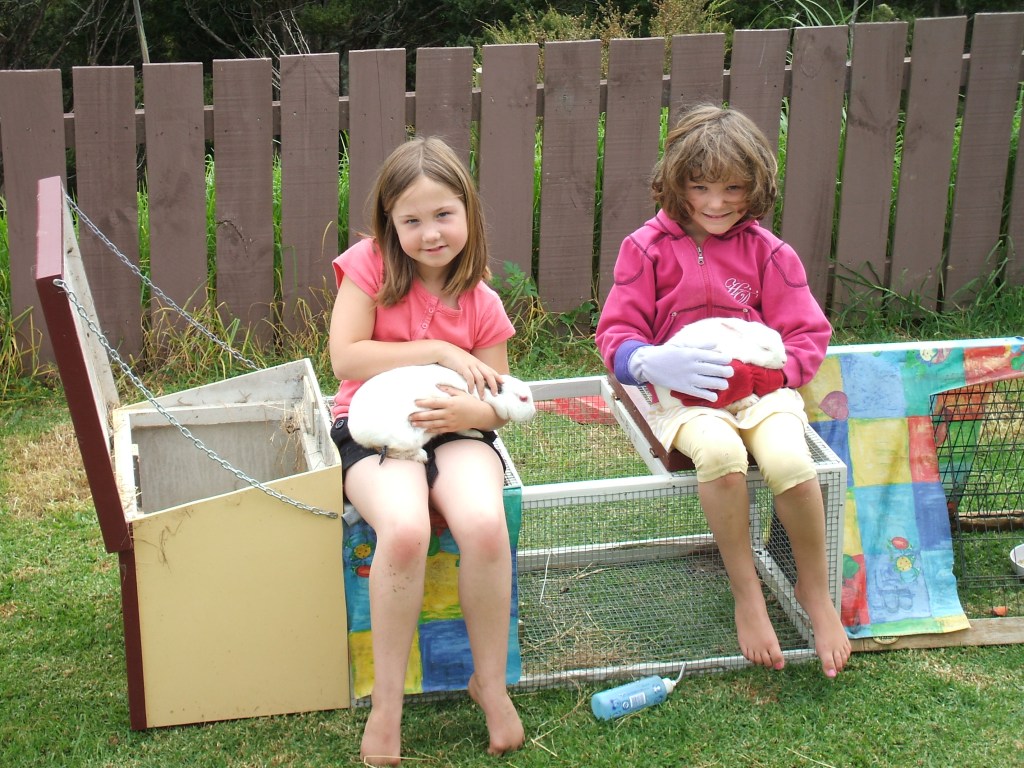
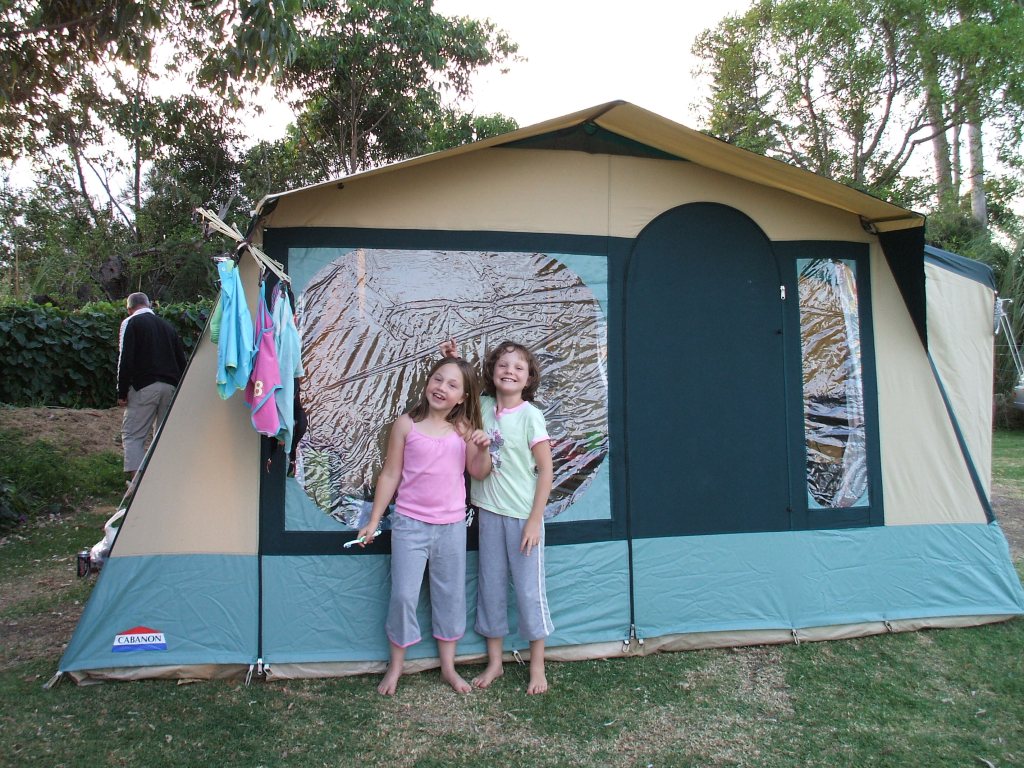
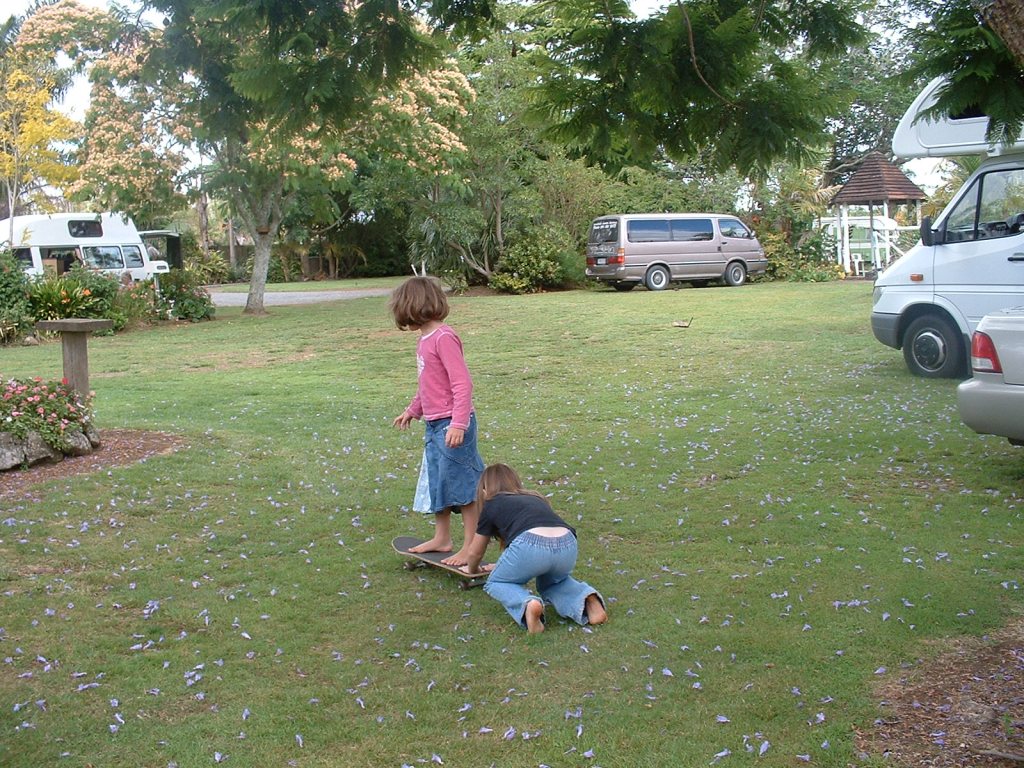
We soon adopted so many of these unwritten and previously unknown cultural customs and practices. It was apparent that all children under the age of 12 seemed to go everywhere barefoot. The girls would go to school with shoes on and somehow come home without them. Endless visits to the school on Friday afternoons to try to retrieve shoes were largely frutless, there just seemed to be a bagful of totally unrelated shoes in every cloakroom. You would take shoed children to Mcdonalds for a treat and arrive home to find they were shoeless. On May 3rd 2006, shortly after we moved into our own home in Kamo, my husband called me from work before I had taken the children to school, to alert me to the fact that we were on a Tsunami alert following a significant earthquake at sea. My snarling response was related to shoes not impending doom. I have two children to get to school and I can only find one size 8 left shoe and one size 9 right shoe and how am I supposed to get them to school. I gave in, and my children went to school barefoot like everyone elses children. We were officially done with shoes.
© Alison Jean Hankinson








 Hues of Hankinson