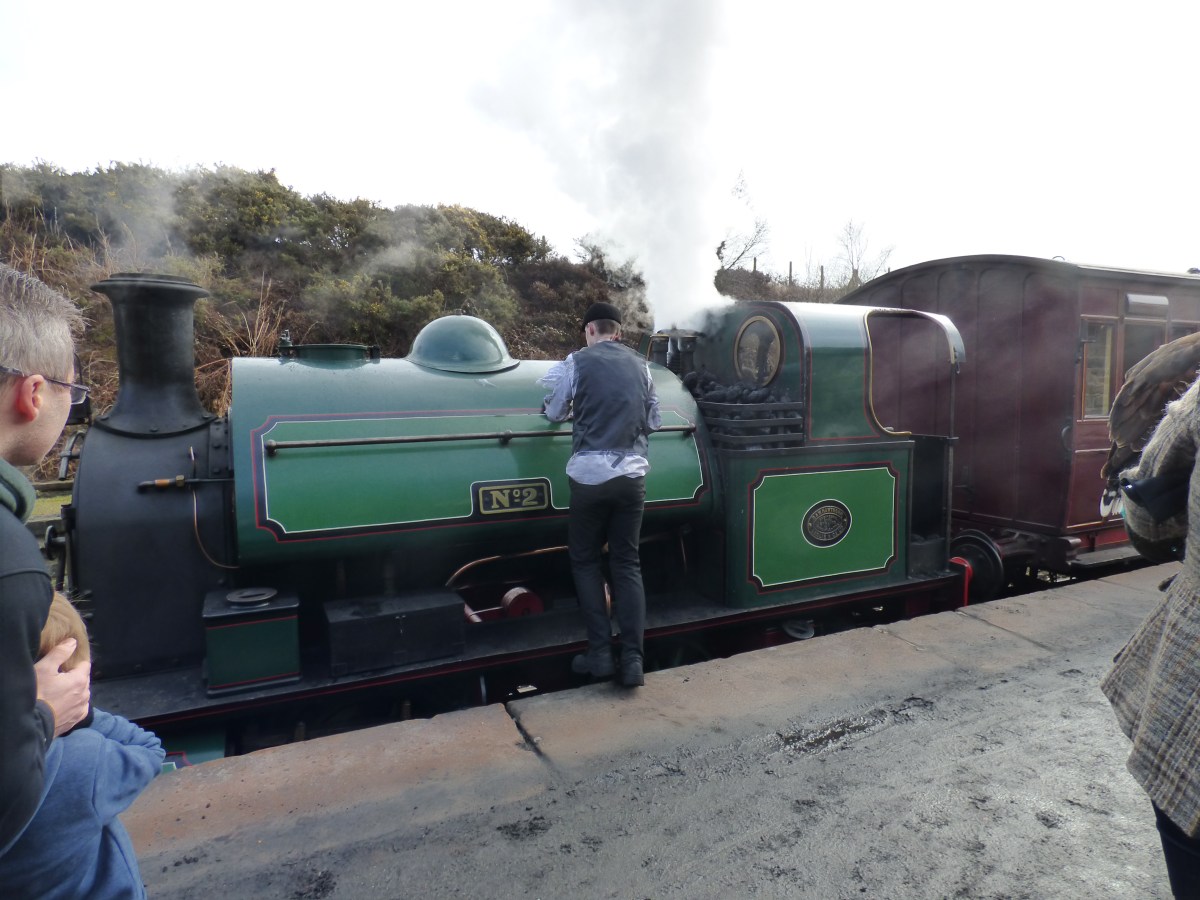
The Tanfield Railway.

We spent Easter visiting the NorthEast. Whilst many schools seem to be cutting the Industrial Revolution from their KS3 curriculum, perhaps they find it dull, for me it is the opposite. I was born here in the North. This is my cultural background and my rich and proud heritage, amongst the dark hills and moors, the deep valleys whipped by wind and rain. My families ancestors toiled and worked to create a brave new industrial nation. Many of them came from Ireland, places like Tipperary and settled along coal and mill routes of the great northern counties. They worked as navvies, labourers, mill workers, spinners, seamstresses and my husbands family moved north working as a stationmaster on the railroad. I felt compelled to visit Tanfield on this journey and post-industrial pilgrimage to the north-east.

It is believed that there has been some form of railways connecting the Tyneside coal to the ports of Blyth and the Tyne since the 1600’s. At first the tracks would have been wooden and the carts/wagons would have been pulled by horses. There may actually have been tracks and a railway at Tanfield during this period. However, it is believed that the Tanfield main railway line was first built around 1725 and therefore almost 100 years before the first steam locomotive.

It was sleeting and Good Friday, there were folks in Victorian clothing carrying Birds of Prey and local clog-dancers performing in one of the sheds, it was a very typical country affair, we donned decent walking shoes to brave the mud and went in search of some interesting pieces of history and of course to see, hear and smell the beautiful steam train, chug-chugging in and out of the station to the sound of a couple with an accordion and a fiddle- with no doubt frozen fingers.


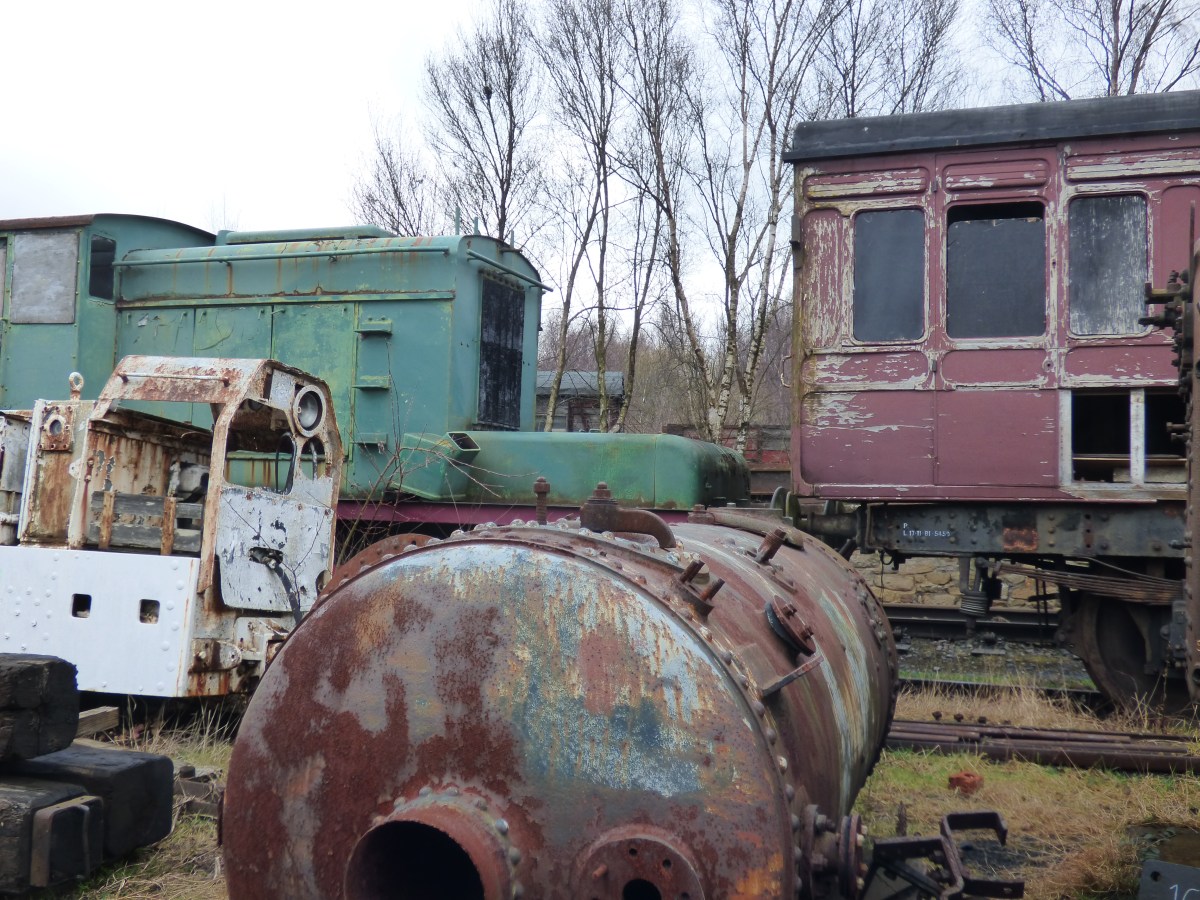
It was a thoroughly enjoyable hour and we were able to wander down the derelict sidings and see the workhorses of the past in their final resting places. There were engines being maintained and preserved in sheds along the way, and everywhere scattered haphazardly remnants of the great industrial past and the steam-train era.


I wondered how many souls had travelled aboard these carriages and whether their journey had been pleasant and if they had reached their destinations safely. We take so much for granted in our lives and being here reminds me that in those early days of locomotive travel, lives were particularly hard, it wasn’t just the coal and steam, but every aspect of working-class lives, and yet the locomotives went on to give us greater freedom to move at will and were clearly instrumental in enabling working people to travel to growing seaside resorts like Tynemouth, South Shields and Whitley Bay. By 1871, with the passing of the Bank Holidays Act thousands had begun to use the rail network to travel to the seaside. You see all of our history is entwined, the grimy bits, the bits we sometimes choose to forget but it is all part of the same story that has given us what we have now, and made us what we are now. The Industrial revolution is a significant part of our history and heritage and it is important to acknowledge all that went with it to do justice to all of those souls who came before us, the ones that lived, loved and died, often under dark skies in order that we might enjoy the fruits of thier labours and I stand proudly on their shoulders.

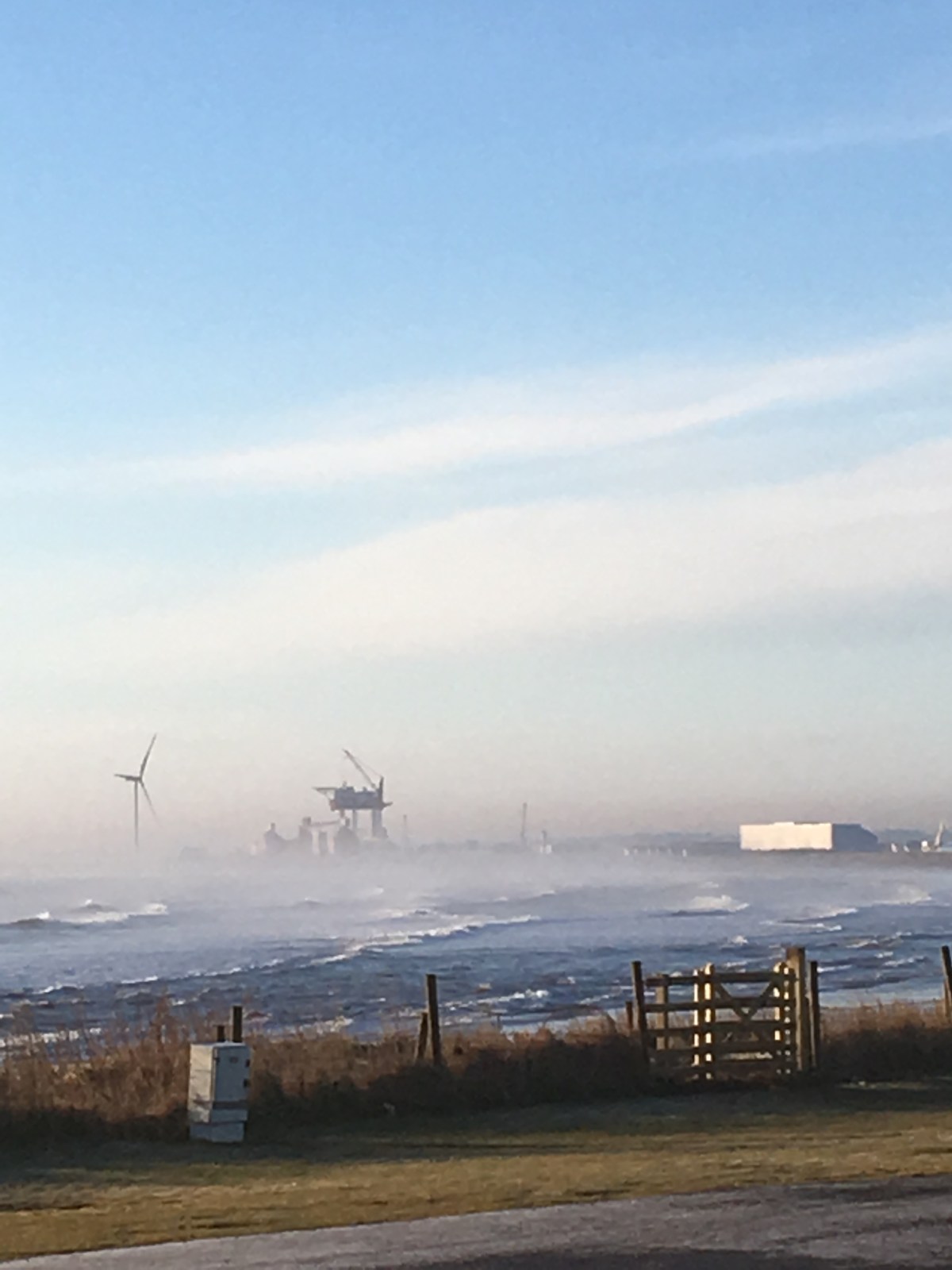
Own photos of Tanfield and Tynemouth.

©Alison Jean Hankinson


Pilgrimage in a post-industrial landscape.


Morpeth mopes amidst the mildewed mounds

Of coke and coal and grime hewn by hungry hands.

Derelict Silos silhouetted in a moonlit sky

Iron beasts and barren landscapes

Whilst Angel spreads her wings on hillside high.


Deep scars and seams of people slain

In Tanfield beneath the sleet and driving rain

The worlds oldest railway dilapidated in dormant sidings dies

Testament to Britain- the first industrial nation,

An epithet built on poor peoples’ lives.

©Alison Jean Hankinson


We spent Easter in the wind snow and rain, touring the North-East. This is for d’verse where we were asked to consider pilgrimage. To me this was a true pilgrimage. It was a journey I felt compelled to take. We stand on the shoulders of giants.

To the mining towns of the North-East

Olden days way back coal slack
Derelict mines chimney stacks
Biting winds-the sand is black
Pinched and poor we ain’t got jack.

©Alison Jean Hankinson
This is a Tanaga for d’Verse, it consists of a quatrain made up of 7 syllable lines with same rhyme.

We are in the North-East and it is a post-industrial landscape, and this is a tribute to the blood, sweat and tears of the colliers who contributed to making Britain the First Industrial Nation. #northernspirit  #northernsoul

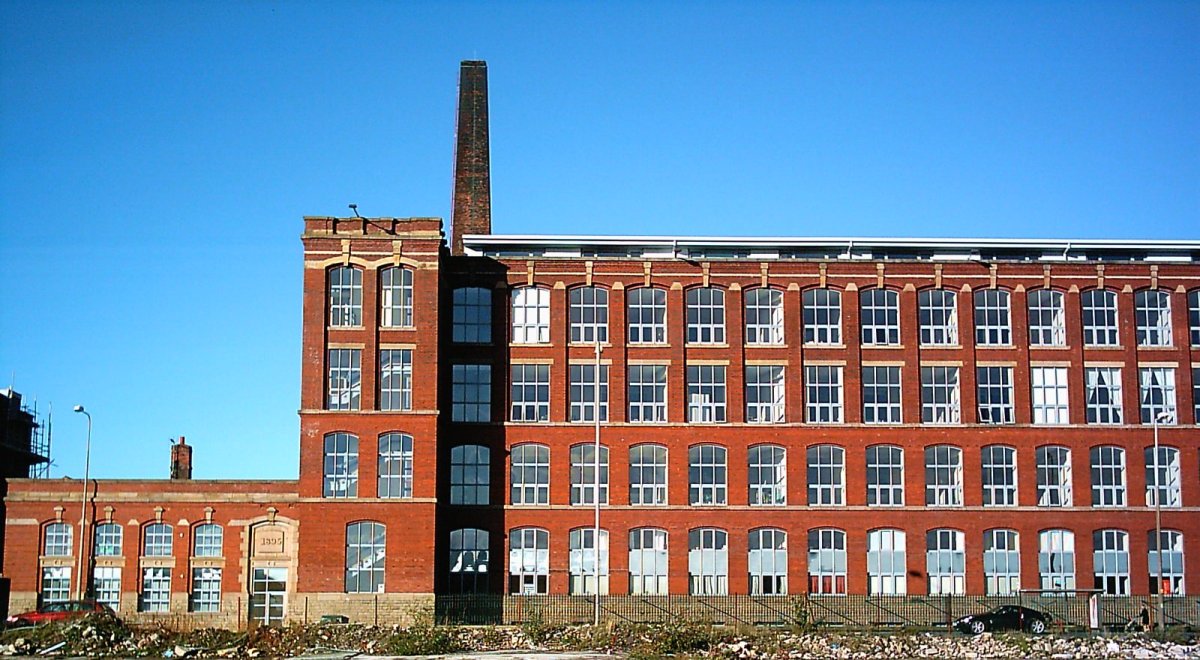
Manchester-moments and musings on the Lancashire cotton mills and the cotton famine. 1862.

These red bricks, these tall chimneys,

Coloured by their blood, shaped by the hands of their children

Carried on their rugged shoulders and working class calves.

We don’t look up enough, we don’t marvel at what they gave us.

These edifices echo with their pain and suffering

Voices of our forefathers, sinewed souls of our ancestors

They built their empires in cotton and coal so that we could enjoy

The fruits of their labours and be forever known as the workshop of the world.


Salford, Stalybridge, Manchester, Blackburn, Wigan-working that weft

Darwen, Accrington, Chorley, Preston, winding that bobbin up.

And the roll call falters, unemployment, hunger, desperation, and impoverishment

They stood together arm in arm, hand in hand, through protest and starvation,

To demonstrate their love and pride for another brother in another place.

We should stand tall for we stand on the shoulders of giants

They gave us humility, compassion, work ethic and pride.

True northern spirit and true northern soul.


©Alison Jean Hankinson

Featured image from the public domain labelled for reuse. Horrockses Cotton Mill Preston.

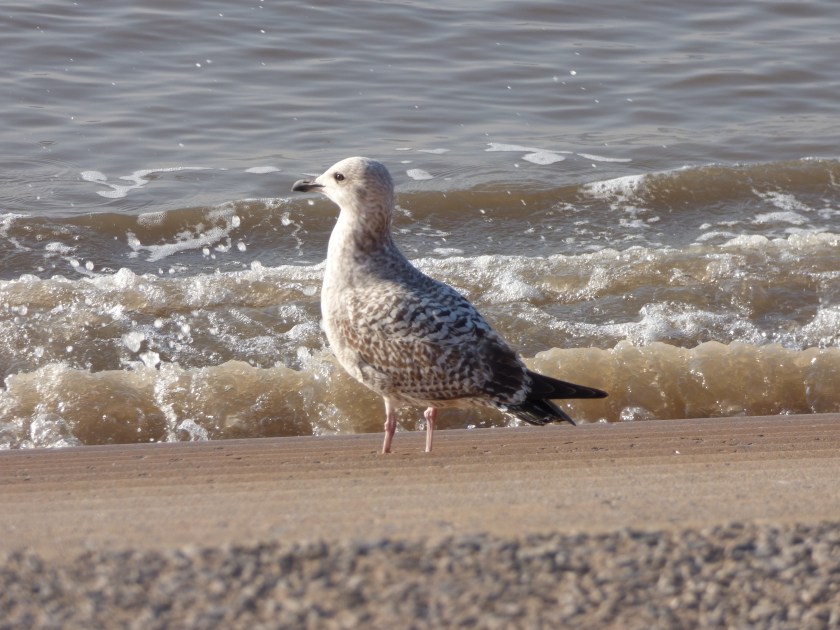
Other images are my own.

This journey into the cotton famine was a soulful journey and I am very proud of the stance taken by the Lancashire millworkers and the sacrifices they made. We were encouraged to look at soul for poetics at d’Verse. 

I have edited this and made some changes.


Shadow of our love.

You wore silk

A delicate shade

Ivory

Gold brocade

Your veil feigning innocence

You captured my heart.


Nylon shift

Hides your sagging form

Rings forlorn

Scars are worn

On old withered hands laid bare

Our love lingers on.


© Alison Jean Hankinson

This is for MTB at d’Verse where we are using the form Shadorma.

To me the form suggested shadow and I thought about how as we age we still keep our shadow of youth.


The legacy of a superhero.

Hopes and dreams like ripples across the water,

The moon casts it light surreal across the surface.

An abundance of voices remember and connect.

Your existence and your inner beauty left a shadow on my life

You reach beyond the grave and you continue to create your magic

Through my footfalls and my hands.

And through the light that continues to shine in the eyes of all those whom you touched.


©Alison Jean Hankinson

We had a prompt on d’Verse and it was about “super” and of course I think our lives and pasts are actually littered with so many superheroes and I think they leave a living legacy in that they touch our lives and change who we are and what we become.

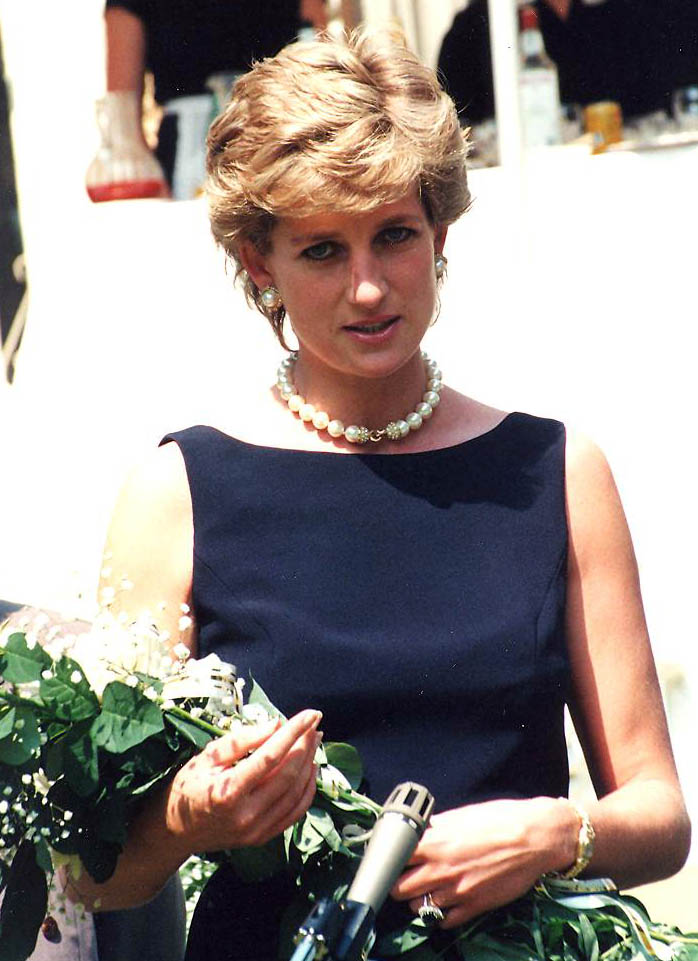
I learned about the heroes of the cotton famine this week, and it made me proud of my ancestors, we stand on the shoulders of giants, and it is sad to say goodbye to Prof Hawking who has been a true superhero to so many. This poem was written about Princess Diana. The images at the bottom relate to the heroes of the Cotton Famine the Lancashire Cotton Mill workers.

The image of Diana was from the public domain and able to be reproduced.

The power of hope.

If I had a superpower it would be to spread some hope

To give our world a super boost and help us all to cope.


If I had a superpower it would be to nourish true insight

The gift to see the light within ourselves that shines so truly bright.


If I had a superpower I would gladly share it with you all

I would spread some love like fairy-dust and make our troubles small.


If I had a superpower it wouldn’t be to make things right

But to help all those who struggle to “not give up their fight”.


©Alison Jean Hankinson

This is for d’Verse poetics where we were asked to consider the word “super”

I think as a race we are at our best when we work together and when what we want to achieve is for the greater good.

blackpool-44


Recipe for raising daughters.

Ingredients
A cup of love
Add in a large measure of compassion
Stir in resilience, rays of hope and a little bit of awe and wonder.
Mix with manners, humility and respect
And leave to prove in a warm and welcoming kitchen

Method

Encourage courage and a brave heart
Give support and hope through times of hardship and self-doubt
And demonstrate that with careful consideration there can be a useful lesson learned in most experiences of failure.

Teach that family and friendship can be more fulfilling than fruitless feuding
That money doth not always maketh the man
That the road can be long and winding but however heavy the burden and load we must walk on with a glad heart.
Give them wings to fly and heritage, culture and connection to ground them.
Give them a handbag full of handy hints and useful tips and tools for everyday survival.
Ensure they are secure in the knowledge that your love will always be there at the end of the day and that without a shadow of a doubt you have got their back,
And that one day they will do the same for their own offspring.

©Alison Jean Hankinson.

To Ellen and Emily love Mumma. For International Women’s Day 2018. I am offering this also for d’Verse open link night, sorry I have been a bit quiet recently folks.


My own flock of birds…

Here they silently speak my language

Share my passion for puns

Take pride in a past that is a portrait

Of my heritage and the story of my blood.


Here I belong

The names of the rivers and valleys and mountains

Are etched as clearly in my mind as the rugged landscapes

That call out my name on wild and windy mornings

and stir my restless spirit from its slumbers.


Irwell, Ribble, Eden, Lune

Here the waters wash away my whispers

Pendle, Cribden, Criffel, Shap

Here the shale and slate smooths away my fears.


©Alison Jean Hankinson

This is for d’Verse poetics.


Burning bridges.

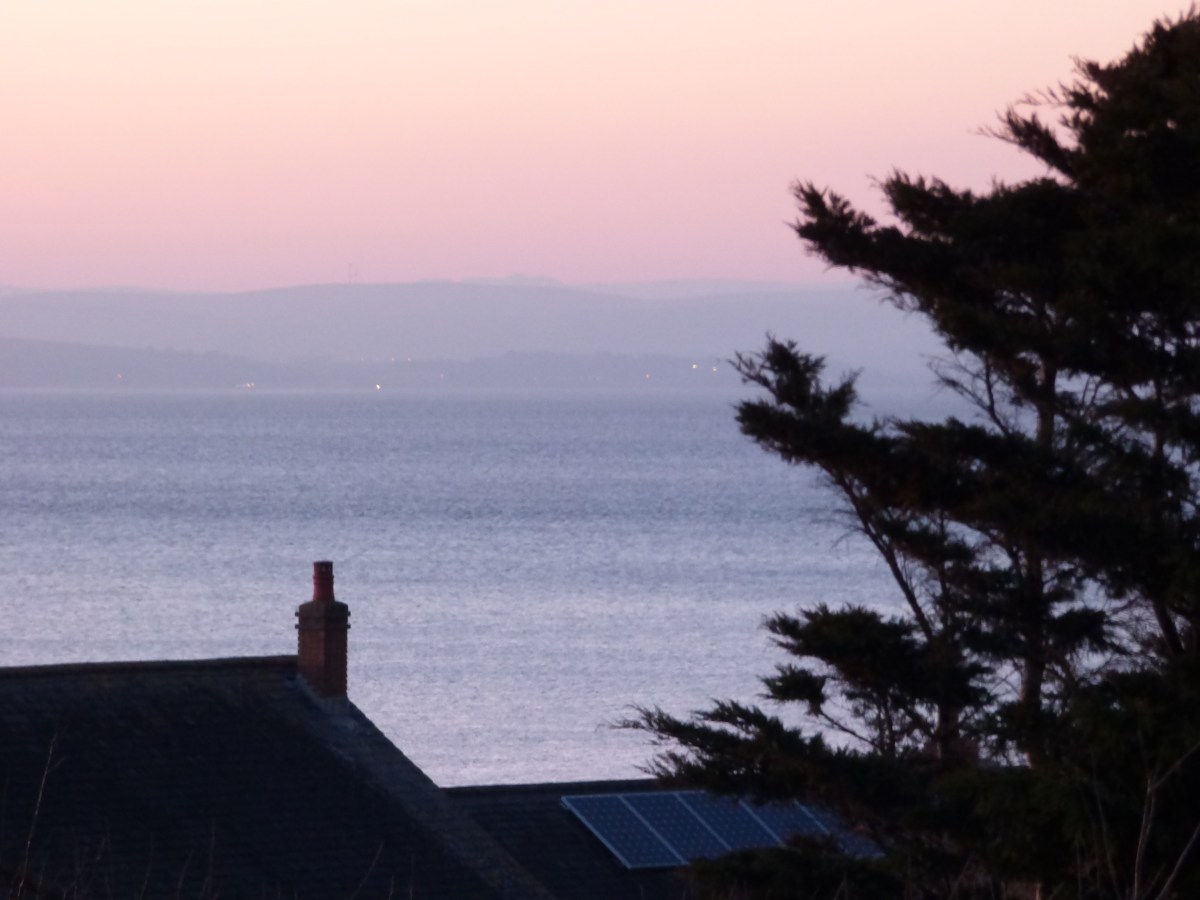
The salmon pink sky

The smell of spring lingers

Snow high up on the fells

If I burned my bridges

By coming home…


I gained new ground

Garnered new worths

And accept the light shining forth

Is different to the light that I imagined.


©Alison Jean Hankinson

This is for d’Verse quadrille and we were asked to consider burn.