Latch-Key Kids

The Summer Olympics of 1972- Munich

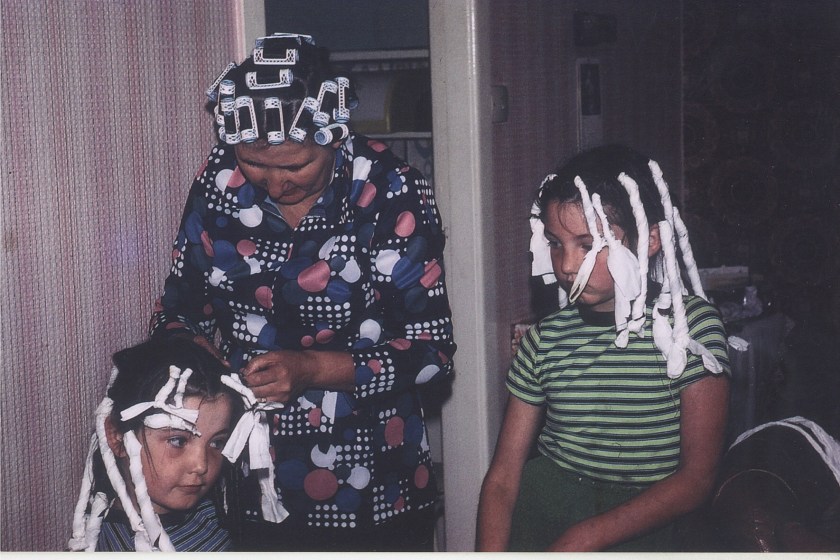
In those days it really did take a village to raise a child.

The 1970’s is a decade often forgotten and often undersold, a decade where the post-war affluence bubble burst with a bang and successive governments were plagued with political and economic unrest. The decade began with promise but Ted heath faced early challenges by strikes financial crash and energy crisis, and some of us went hungry. Callaghan famously told colleagues in 1974 “If I were a young man, I should emigrate.” For some of us the backbone of our extended family had already emigrated in the late 60’s  as £10 POMS and were already seeking a future promising fame and fortune in new and exotic lands.

Not surprising that it was often called the lost decade and growing up perhaps that is what we were too, the lost generation, generation X, a generation of latch-key kids who brought ourselves up because nobody knew any different. Nobody even realised we were doing it on our own. We had it all, freedom and then some and yet we had nothing, no prospects but kind hearts, glam rock and big dreams.

Our parent’s generation were the first generation of latch key kids, born towards the end of World War two against a backdrop of poverty, harsh winters and a changing workforce, there was food poverty and many families were living in urban slums and the housing stock was in dire need of upgrading and repair. At the outset of the forties the menfolk were away at war and women were required to fulfil working roles in factories, munitions works, and even on the land and the docks, it meant that an entire generation of working-class kids was forced to get itself up and ready and off to school and fend for themselves at the end of school, it meant that older siblings carried the responsibility of caring for younger siblings and often completing the household chores.

The mothers were responding to the needs of the war effort and had little choice, and it was this generation of children that found themselves with a world of opportunities in the later fifties and early sixties but as new parents themselves in the late sixties and early seventies due to the economic downturn and the increasing phenomena of the working mum were to become the parents of the next generation of latchkey kids, our generation, the latchkey generation of the seventies, generation X.

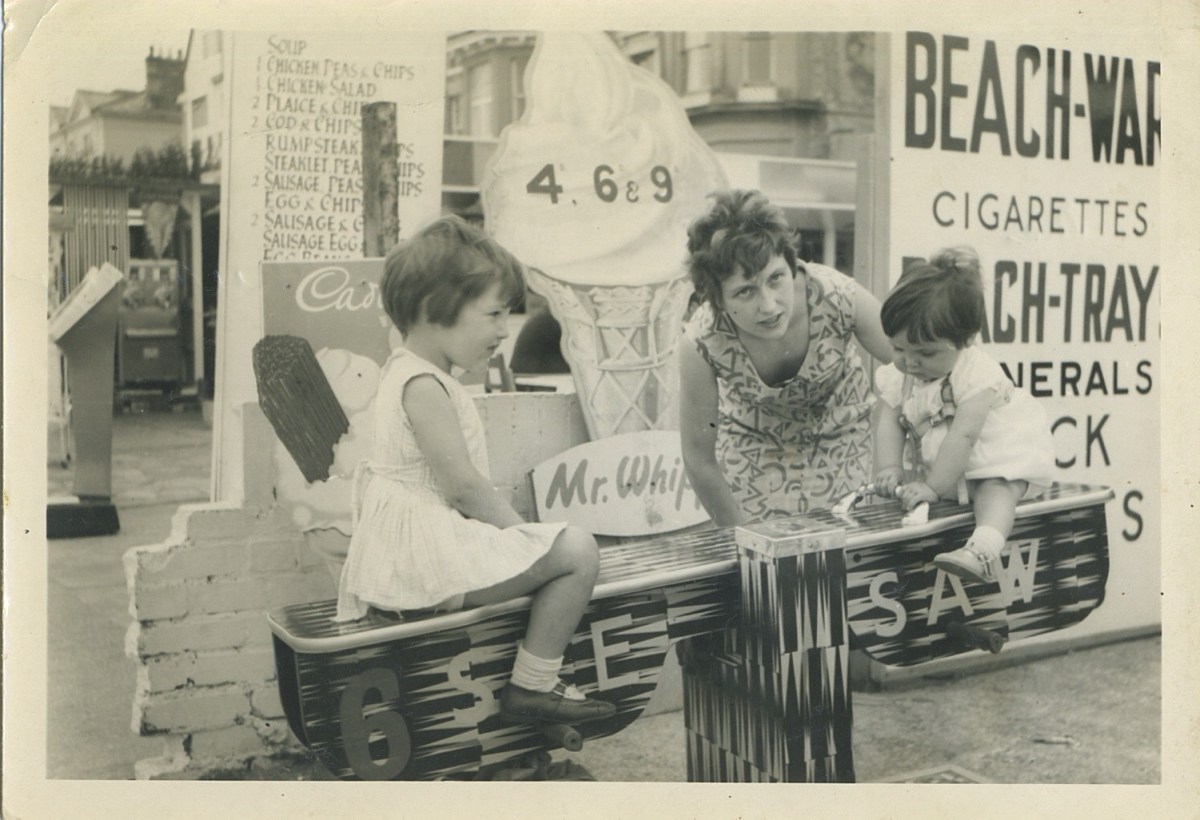
My parents both worked and so in the holidays we really were home alone. Dad was working for the Post Office and mum worked as a machinist at the Isle of Man Mill, where Mr Harold Dugdale had an active workforce of about twenty working at the Rossendale Quilting Company, they made ironing board covers and continental quilts (a forerunner to the Duvet) and they were all exposed to asbestos and cotton fibres in a harsh hot noisy mill. The village was home to at least three working mills, across the river from our house and across from the Isle of Man mill was Wood-eel, it had a great timber yard to play and explore in and all the local kids would collect bags of sawdust from the mill for their pet rabbits, surprisingly it made wooden heels that were used up and down the valley in the still proseprous and busy boot and shoe factories.

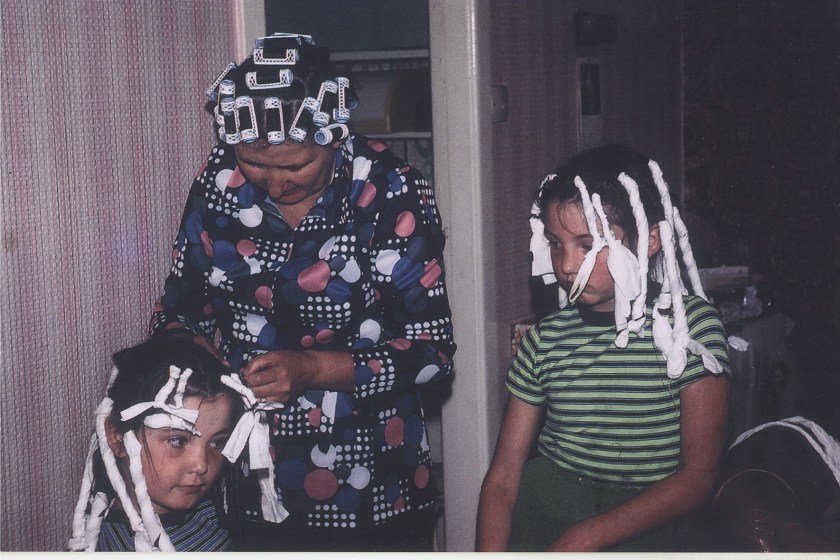
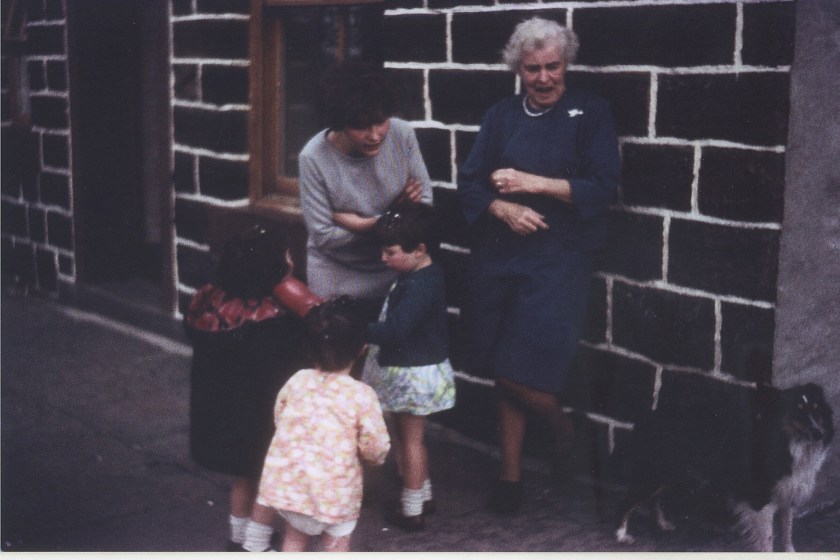
Mum left us under the watchful eye of our next-door neighbour Rosina Giddens, known to us as Nana, even though we were not related. She would make us lunch, and we would wake her up to call for help in the event of breakages, windows, arms, and legs, or toys that were broken in our sibling squabbles. The older folk did that, watched out for the youngsters and we paid the kindness back and in later years when we had moved to the Post Office we went back to Nanas every evening to make her tea and make sure she was well for the evening ahead. She looked out for us and made us lunches and we looked out for her, and the day when she slumped into her sausage and mash and her gnashers fell off the table and onto the floor, we looked after her, quickly raising the alarm that Nana had fallen asleep and wouldn’t wake up. She had suffered a stroke but our speed at raising the alarm meant that she was on the mend in a matter of weeks.

If it was dry- we were outdoors, we met up with whoever came to call, who ever knocked on the door to see if you were playing out, and everyone did that. There was an unwritten rule that no-one came in the house and you didn’t go in their houses unless they were invited but you could pretty much do what you like outside the house. And we did. If it was climable- we climbed it, if you could make a game out of it, you made a game, if it needed exploring we explored.

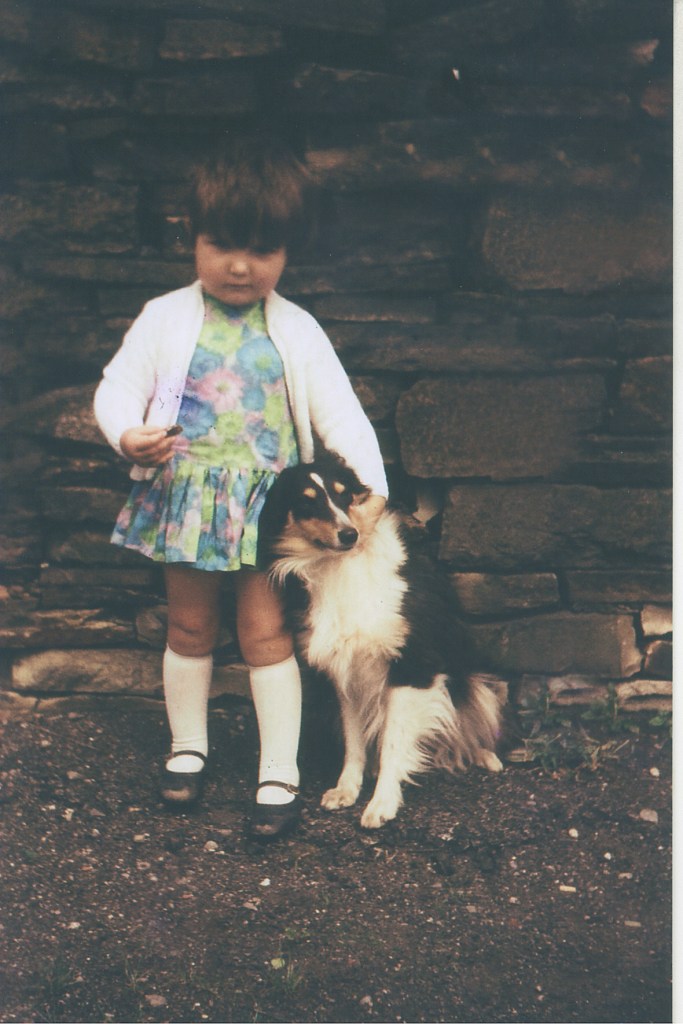
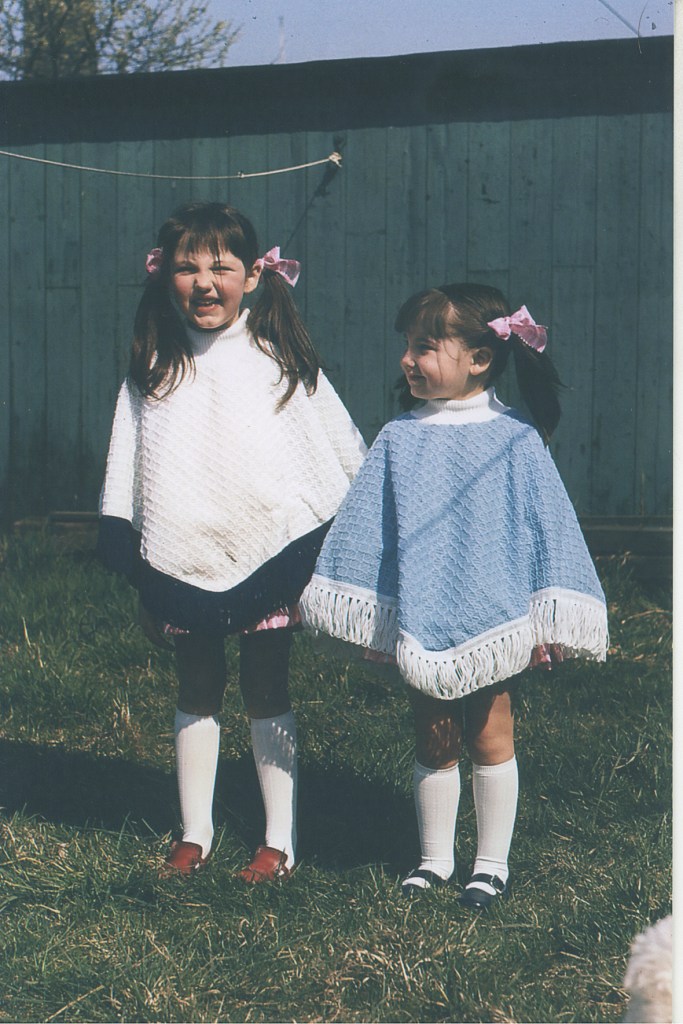
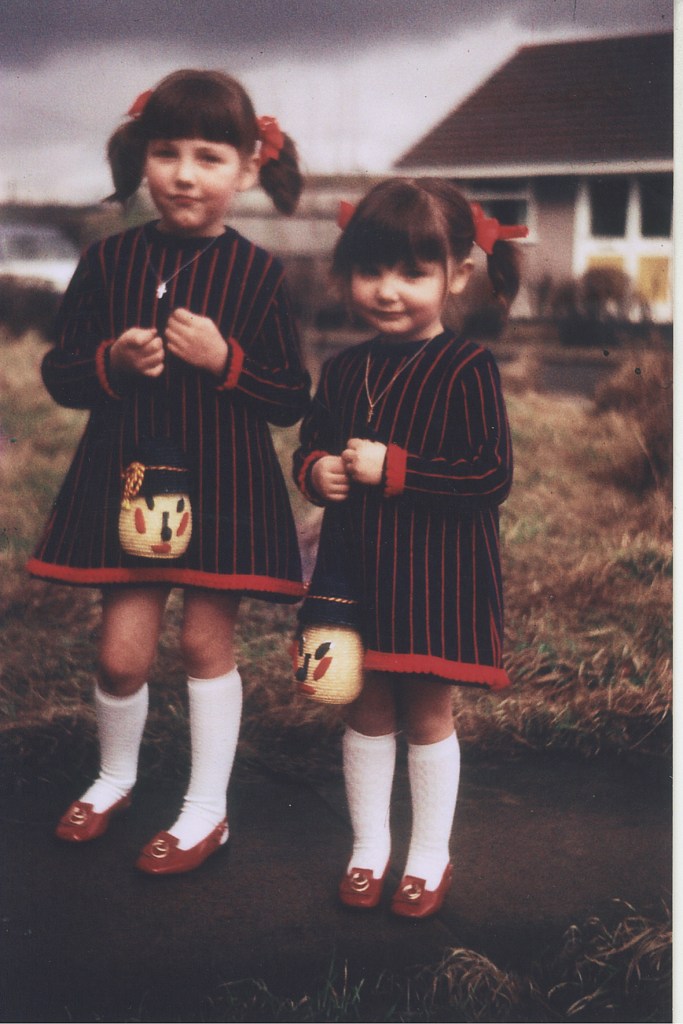
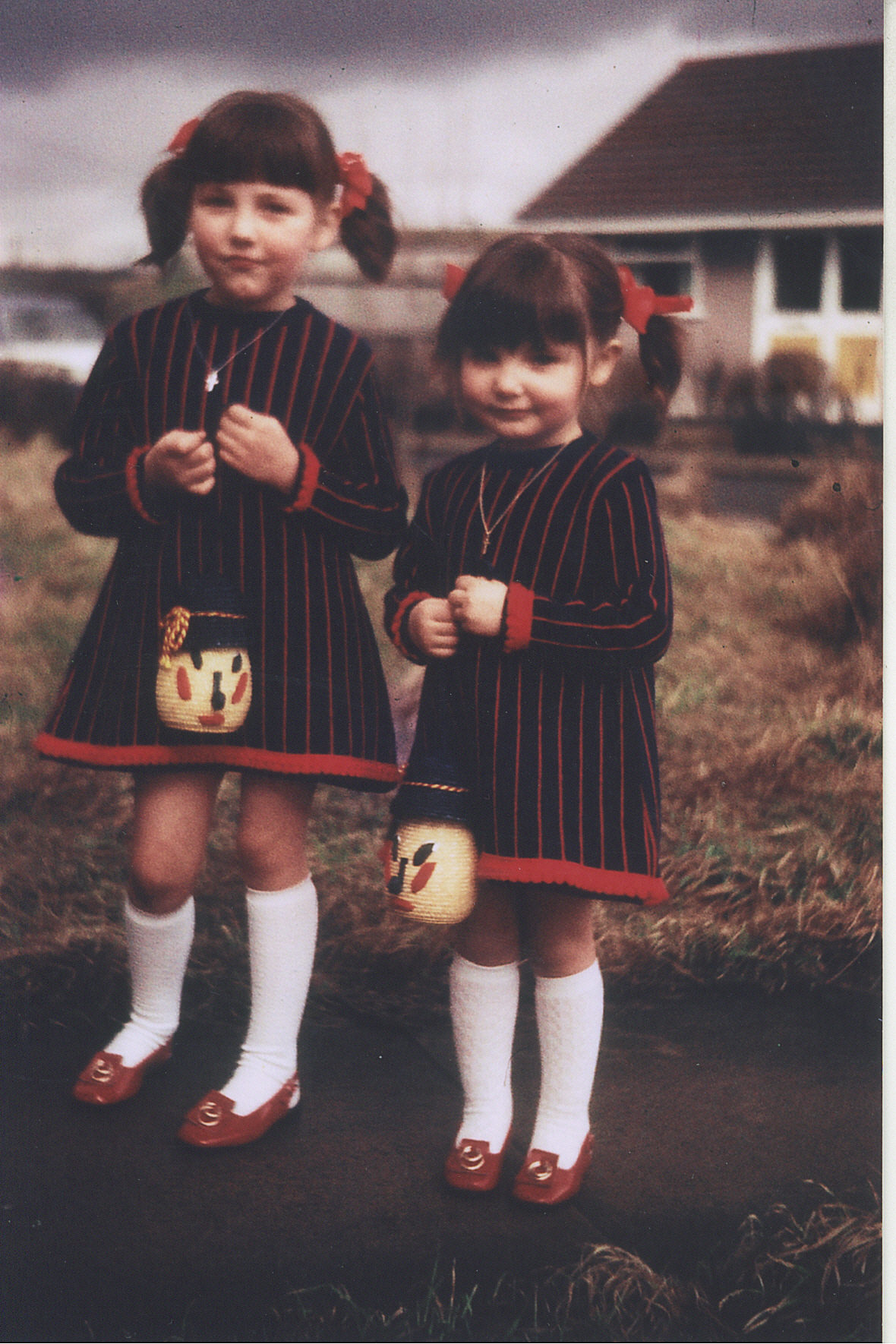
We were very young that first summer we spent home alone, it was 1972, and I know this because we loved to watch the gymnastics that were on. It was the Olympics in Munich and we were enraptured by our favourite gymnast Olga Korbut. We thought she was amazing. Tracey loved her work on the beam, I loved to watch her floor routines. She was so small but so incredibly athletic. I was 5 and Tracey was 7.

Tracey preferred Olga, who was small and petite and in some respects the underdog, to a very womanly Ludmilla Tourishiva. I thought she was the most graceful swan I had ever seen on a gymnastics floor and at nineteen she no longer had the angular bones of the minute Olga. Tourishiva won Gold, but Olga won hearts and inspired an entire generation of young girls to take to the gym floor.

Nana would pop in and out and would get us lunch and we would sometimes go out with her in the afternoon, she would walk us to the stream at the back of Crawshawbooth and she would sit I the sun and she taught us how to wash stones from the river bed. Sometimes we would play in the garden in front of her house and make dens from sheets, and she would show us how to make clothes for our dolls with old stockings. So we weren’t officially abandoned, it was just that we were really latch key kids.

It isn’t something that you would do now, but in those days I suspect it was the same story up and down the valley. We were all home alone. When we were old enough to go to the park alone, it was obvious that this was what all the kids did all summer, the park was our meeting place and there were never any adults around and even when Lesley Stansfield broke her leg and the bone came through the skin, after she got dragged under the roundabout after falling off because it was spinning too fast when we were playing pick up sticks- it seemed to be ages before any adults arrived.

©Alison Jean Hankinson
Past One O’Clock…

SO I am doing my own version of poetry month and this is a poem that will always have meaning for me and when she was younger this was my Ellen’s favourite….don’t want to break any copyright so here is just a snapshot:

“Night wraps the sky in tribute from the stars.
In hours like these, one rises to address
The ages, history, and all creation.”

Taken from Vladimir Mayakovsky– Past One O’Clock.

We love the whole poem and everything it represents, it is a very tragic story and the poem was found amongst his papers following his suicide and also formed part of the epilogue of his suicide note.

Mayakovsky was a leading poet during the Russian revolution and was jailed several times and reputedly began to write poetry during a spell in solitary confinement.

Past One O’Clock

Big Sister.

Shared stories of woe,

broken hearts, stubbed toe, family first

Bond beyond breaking.

It is national poetry month, and this is dedicated to my own sister but also to a dear friend who had to say goodbye to her sister today.

©Alison Jean Hankinson.

Missing School……..

Many around me are worried about the impact of national lockdown on the education of their children. Our education system is merely a vehicle or system to encourage and support the acquisition of knowledge and understanding, ultimately to empower and enable our young people to stand up and be counted. It is not the only vehicle. Knowledge is important because ultimately it provides empowerment. It gives us the voice and confidence to stand up for ourselves and the others around us.

Undoubtedly there are and have been significant impacts from the three periods of lockdown over the last year that have taken their toll on the education and also on the physical and emotional development of our younger generations. It is impossible to quantify or label realistically what these impacts are or will be. We have a duty to recognise and acknowledge that the human race has always shown remarkable adaptability and resilience in the face of crisis, trauma and adversity. Perhaps we should focus on what can strengthen the resiliency of our younger generations and their families at this juncture in time instead of ruminating on that which we cannot change.

We already have much wisdom and knowledge in this field. We know what is successful and we know the value of strengthening protective factors. For many of our young, our old and probably across society as a whole it is the deprivation of quality social interaction that is causing more immediate harm than the lack of schooling. Our schools were hubs of meaningful and sometimes less meaningful interaction. It is the words that have become so much a part of our 2020’s vocabulary that are the most damaging in the long run, social distancing and isolation. Our children are probably grieving the loss of their social interactions more than the curriculum and education itself.

Hopefully we will return to some state of normalcy soon and we can begin the complex task of rebuilding and I suspect the curriculum in our schools will need significant remodelling to support the development of a strong and resilient society for our new future.

We cannot alter what has happened in the past year and we are unable to determine what the next twelve months will look like for our families, our education system our society or the world. We can focus on the strengths of our responses so far, the amazing job being done by so many families in very unexpected circumstances and give them the positive feedback and support that they deserve and need. Teachers and school support staff all over the UK are keeping regular contact with their families and doing everything they can to this end. When the dust has settled and we can see the way forward then we can look at what needs to be out in place to futureproof education system, and what needs to be done to support this current school-age generation to thrive and survive in spite of the challenges that the pandemic has brought.

© Alison Jean Hankinson

Te here tangata

It is fragile this thing called life but we are one.

All part of one tapestry in life. The warp is our connection to the past and the future, and the weft is that which connects us now. The present.

There is a Maori whakatauki, Ka mua Ka muri, walking backwards into the future. It reminds us that we can learn from the past and it will help us deal with what lies ahead.

I guess the difficulty is that we often don’t see the relevance, meaning and importance of moments- until they have gone. This is why, however difficult it might be we have to accept the current moment for what it is- and to value it regardless. And whilst singularly our life might seem insignificant or unimportant, that it is part of something bigger, that we are part of something bigger.

Perhaps we are like firefly’s. Perhaps we light the way for others.

©Alison Jean Hankinson
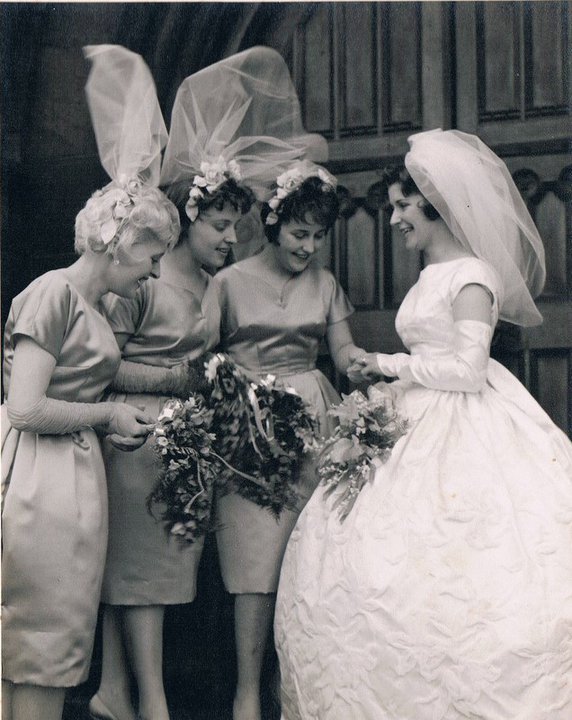
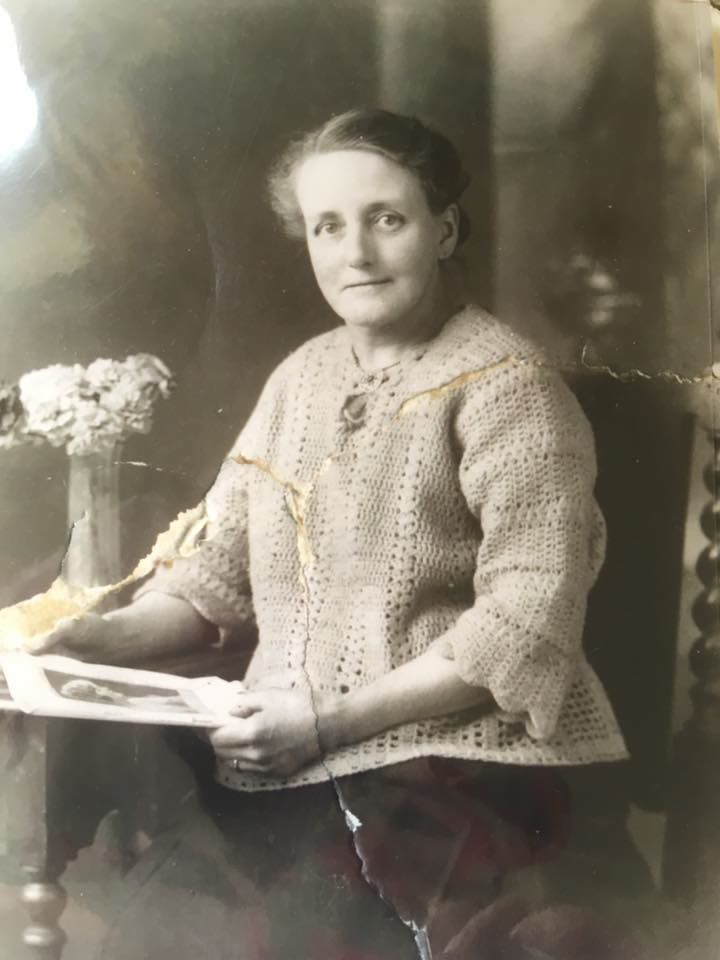
Whalebone and lace

I wanted you to know I had worth

Beyond the kitchen sink and the classroom

I was shaped in whalebone and lace


My dreams fashioned and woven

Delicate structures faded from regret and loss

Unheard songs and stories stitched in unseen seams.


Hidden from view by what you all chose to see in the lines on my face

A smile here, a kindess there, eau de cologne on a summer breeze

Handbag, lipstick, loose change. Sad eyes, tears shed, loves lost, hearts bled.


But I was shaped in whalebone and lace

Beyond the confines and drudgery of my miserable life

I wanted you to know I was beautiful and had worth.


Alison Jean Hankinson

This was for Toads, and it was about Bang-You’re dead… I kind of went off at a tangent at first and thought I was supposed to kill someone, so wrote a poem about killing someone with a cricket bat… it had a touch of dark humour about it, and then I thought maybe that wasn’t what it was supposed to be…this was actually attempt 3….

The image was portrait of Dona Isabel de Porcel by Goya. creative commons.


Beyond the horizon…

It had been a long journey, her feet bore the bruised hallmarks of a difficult life, but still she walked on.

She knew that even if she could not reach the rich promises of the future on the horizon she could leave footprints for those who mattered to follow.

©Alison Jean Hankinson
Safe anchor…

It is easy to feel adrift when the world is so full of uncertainty.

Hold on to the treasured moments, the significant people, the precious memories and the valued places that have provided you with shelter through life’s storm. Let them be your anchor.

© Alison Jean Hankinson

That which drives us

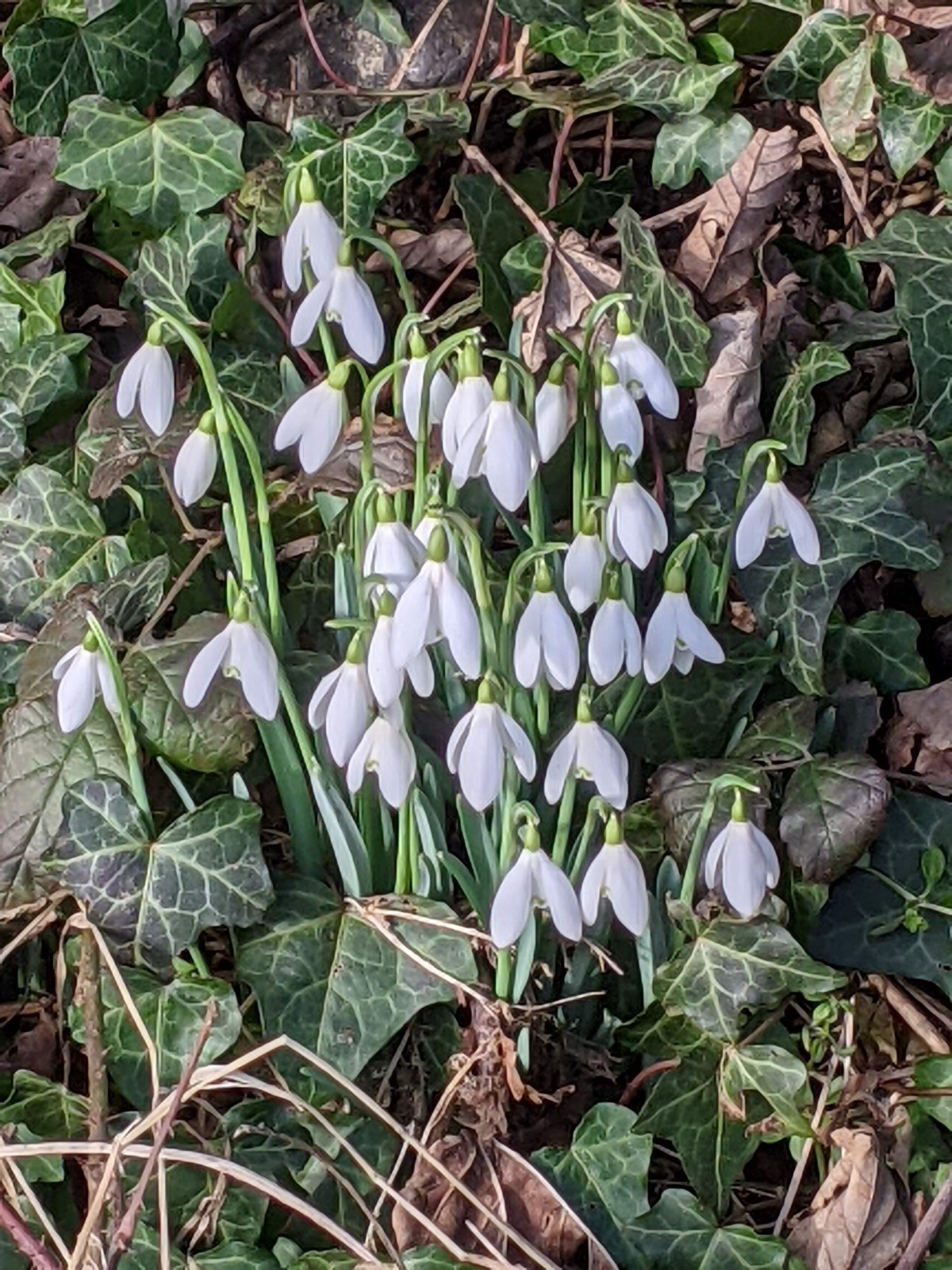
I look around me as winter reaches its finale and I am mindful of the fragility of our current existence.

It should be what we have that drives us, not what we have not.

©Alison Jean Hankinson
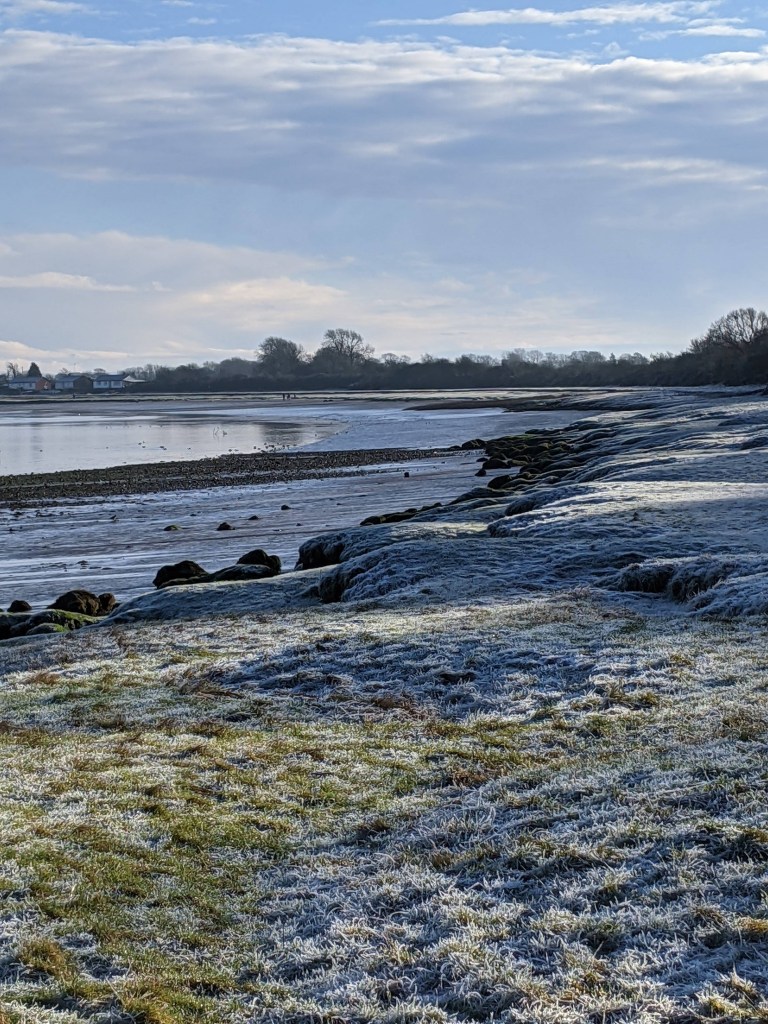
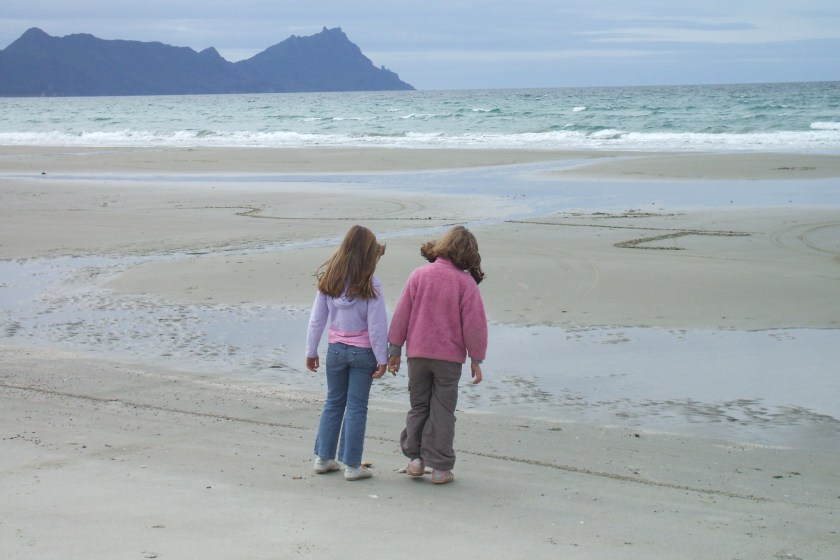
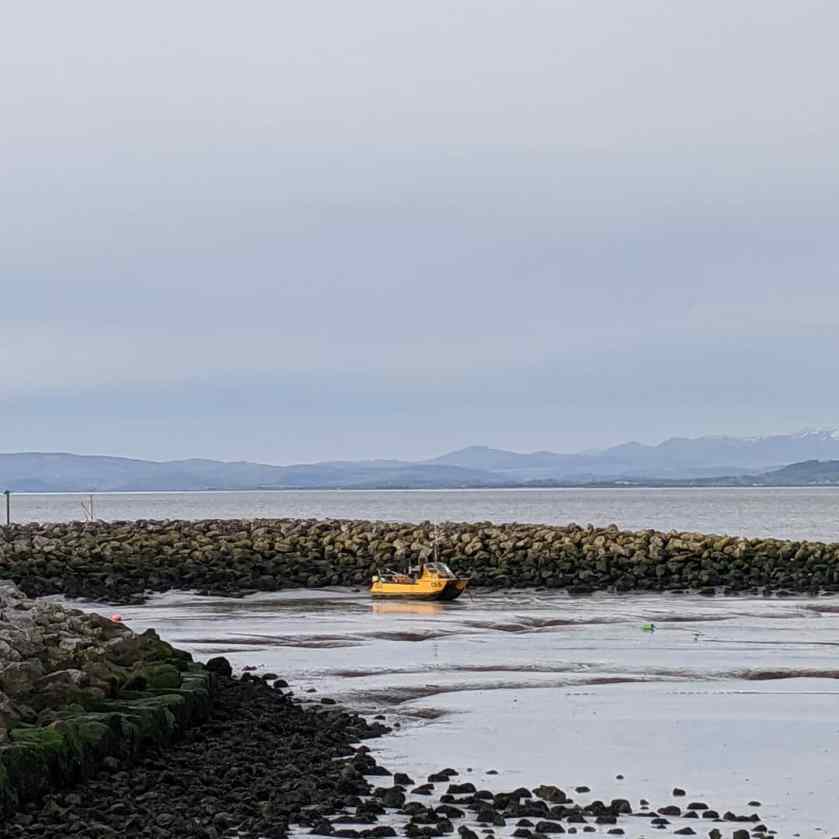
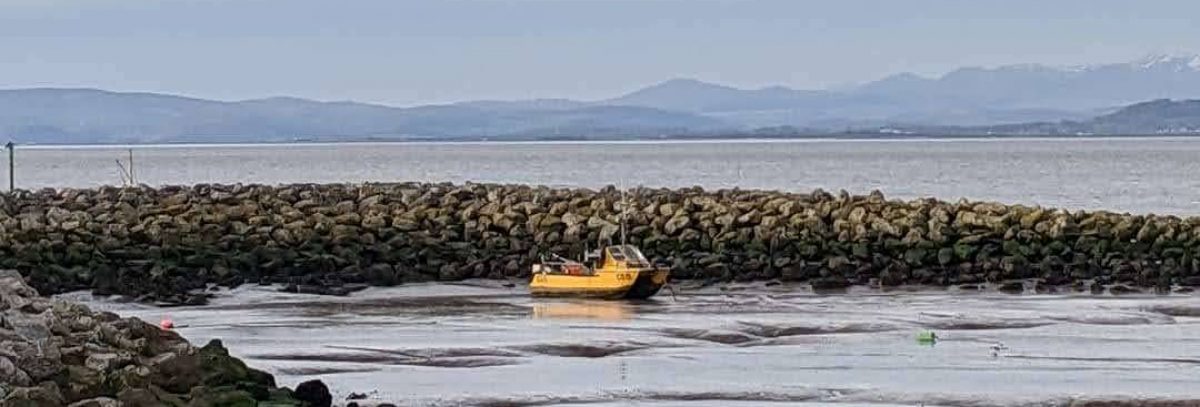
Across the Bay

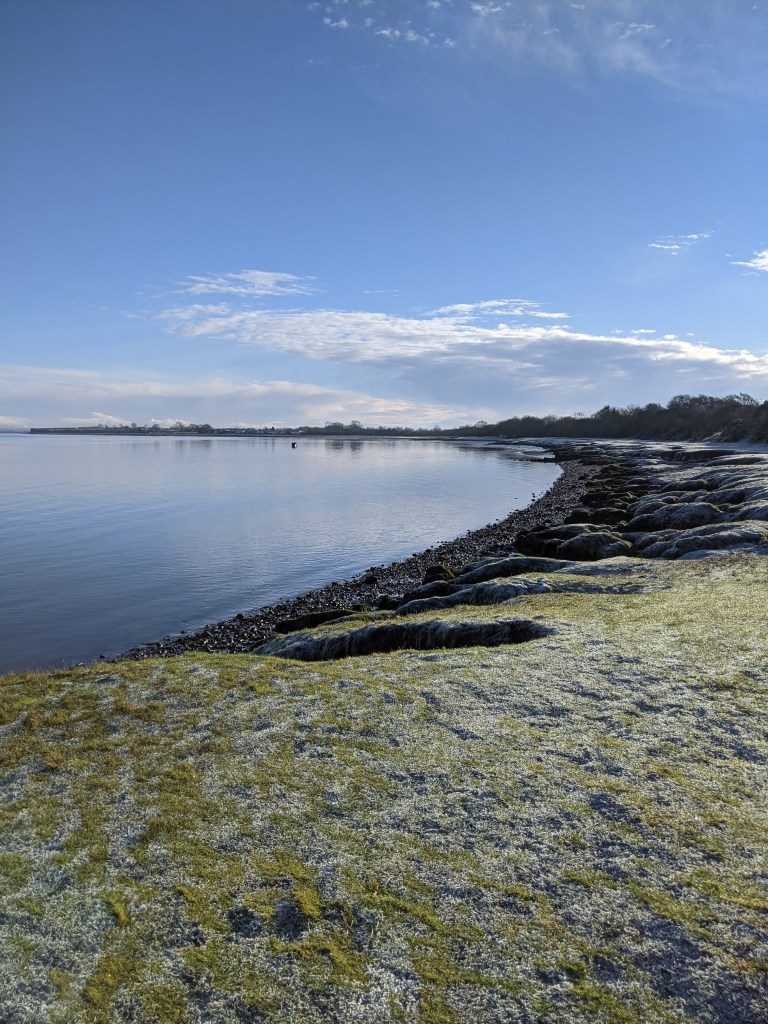
Brisk breeze beguiles  
Winter sun warms the weariest of souls. 
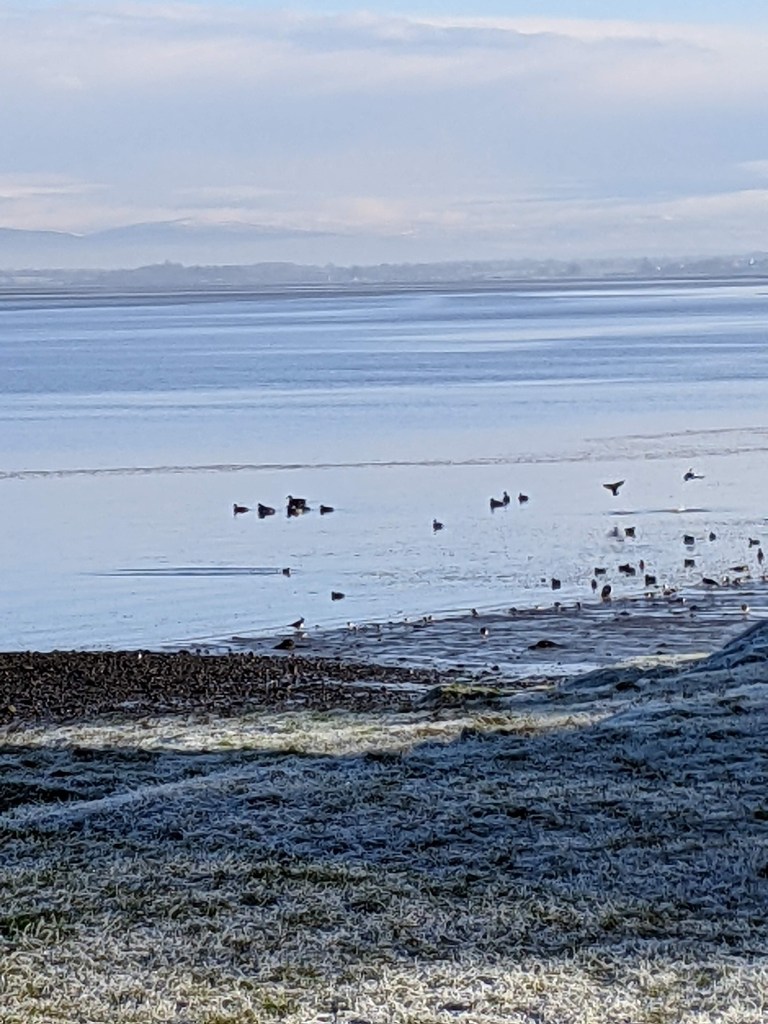
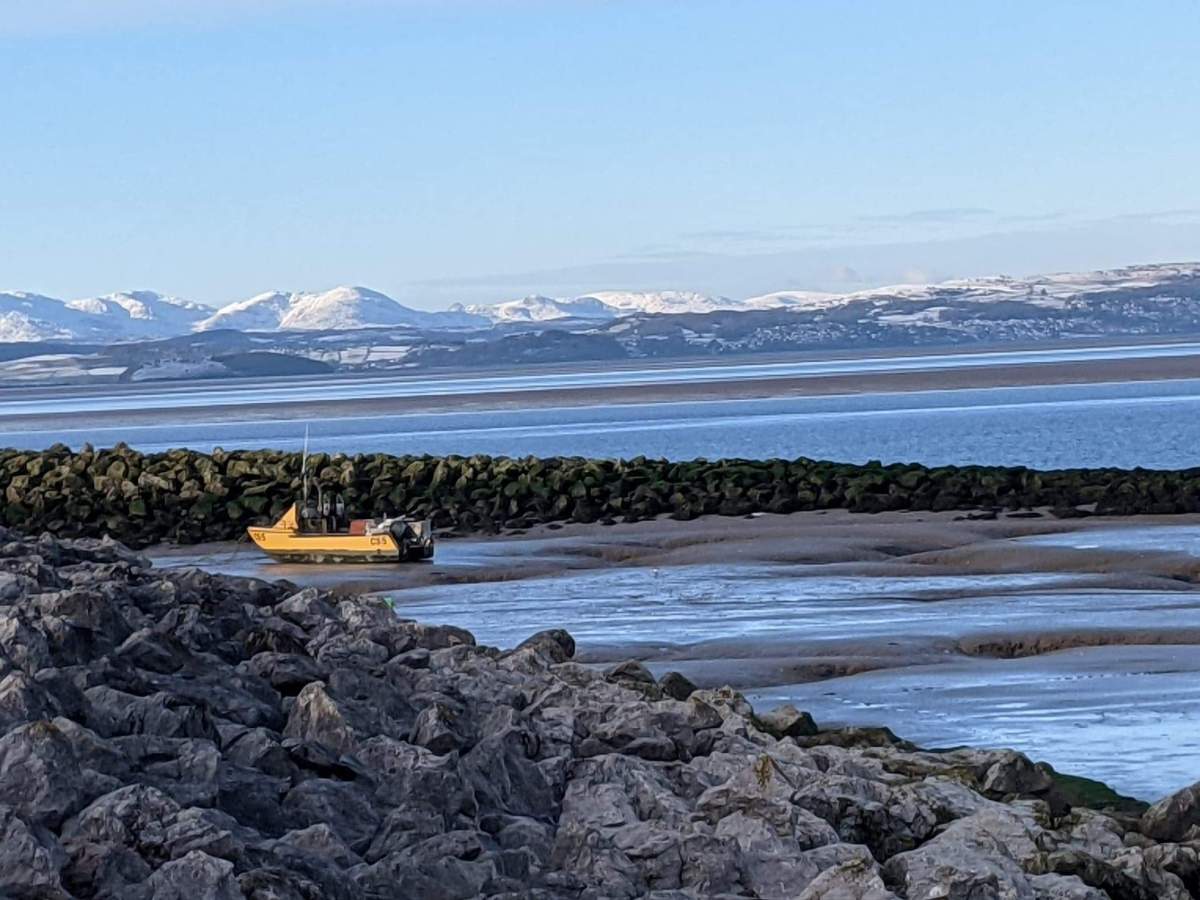
Across the bay snow atop the Langdales.
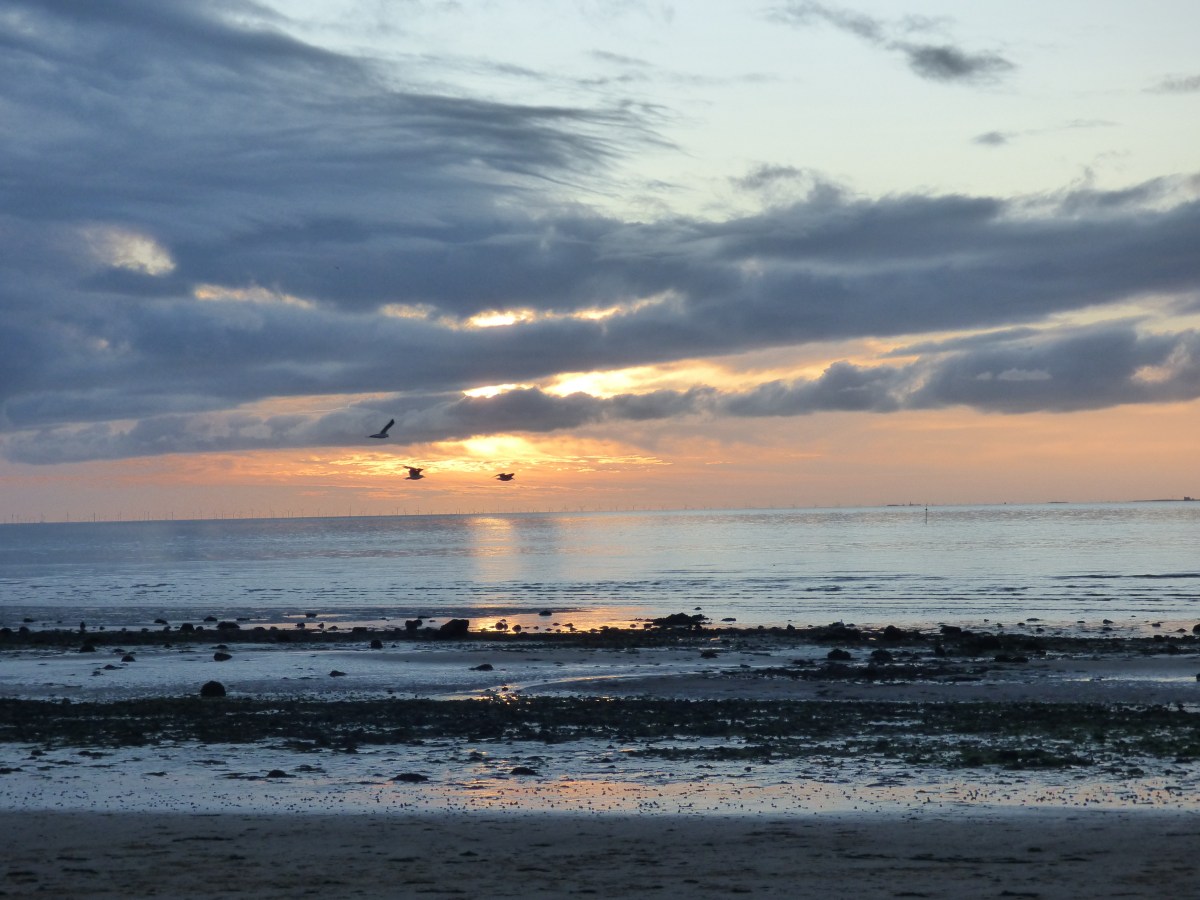
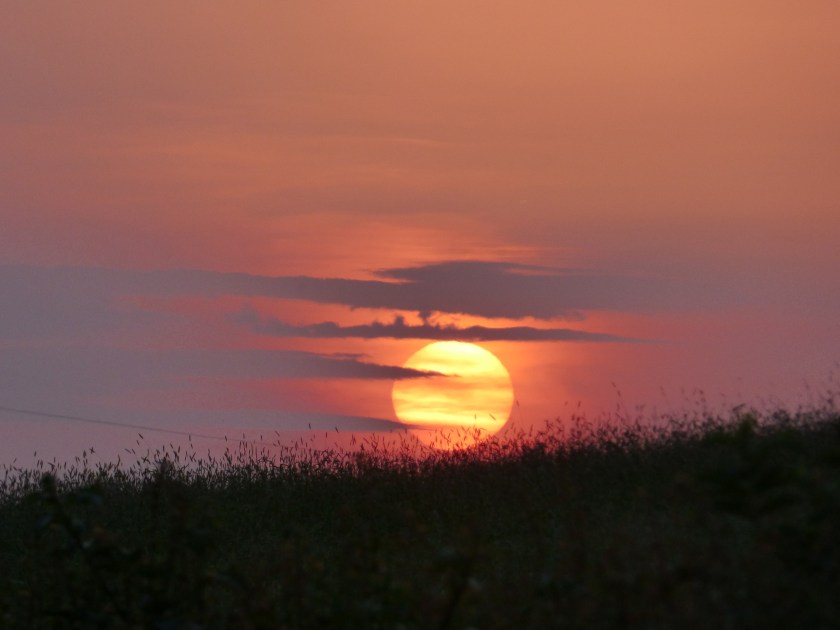
Gulls glide as eventide
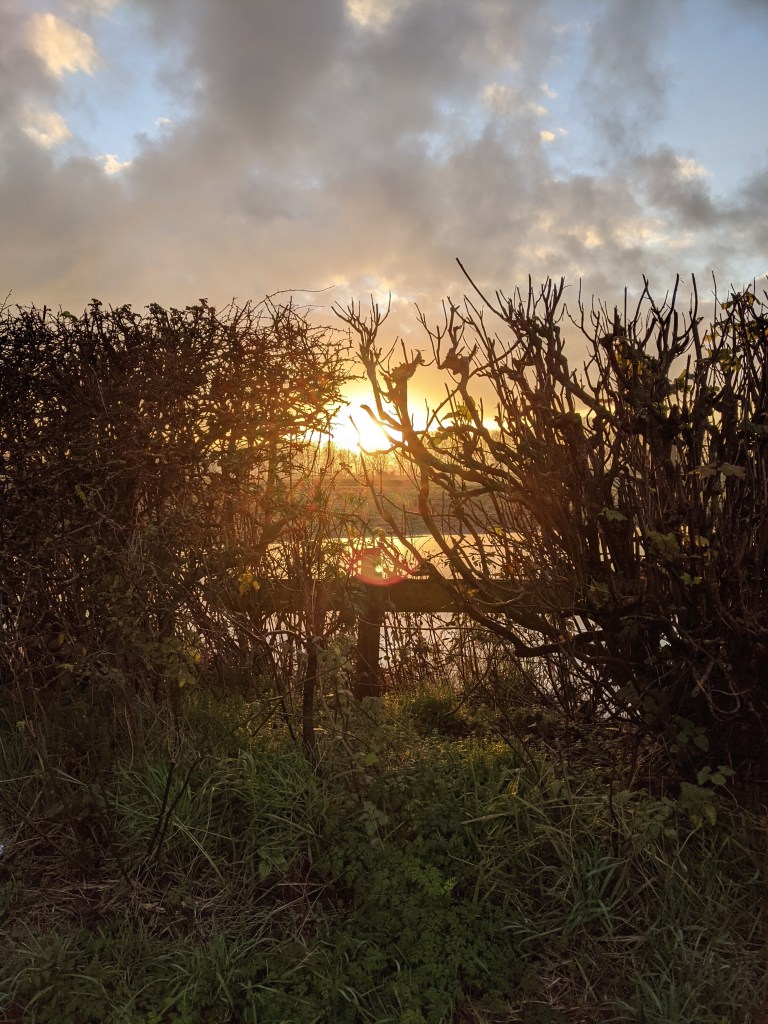
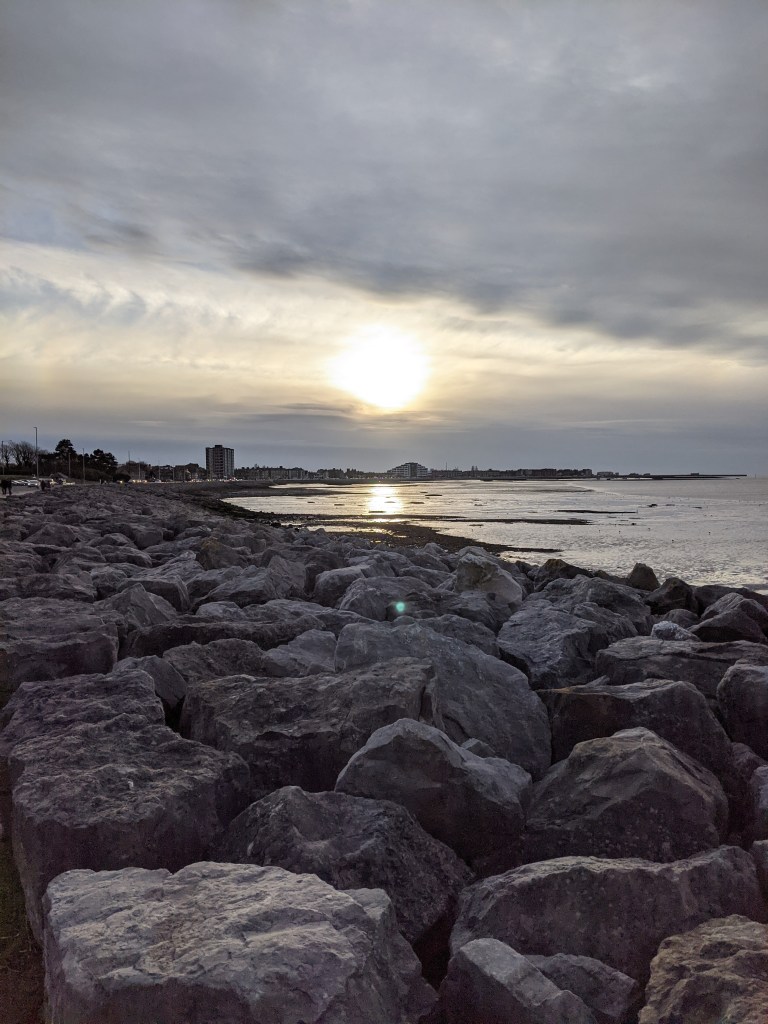
Sheds a subtle ombre orange sunset glow across the sheltered sands.
Whisper me home.

© Alison Jean Hankinson
© Feature Image courtesy of Dave Hankinson