A woman’s lot…..

We have come a long way, so much has been achieved, so much has changed and yet so much remains the same.

Globally according to the UN during their lifetime 35 per cent of women have experienced physical and/or sexual intimate partner violence, or sexual violence by a non-partner. 

It isn’t much better in the UK-the figure in the UK is 29%

Globally every day 137 women are killed by a member of their family.

At least 200 million women and girls, aged 15–49 years, have undergone female genital mutilation.

15 million adolescent girls worldwide, aged 15–19 years, have experienced forced sex. 

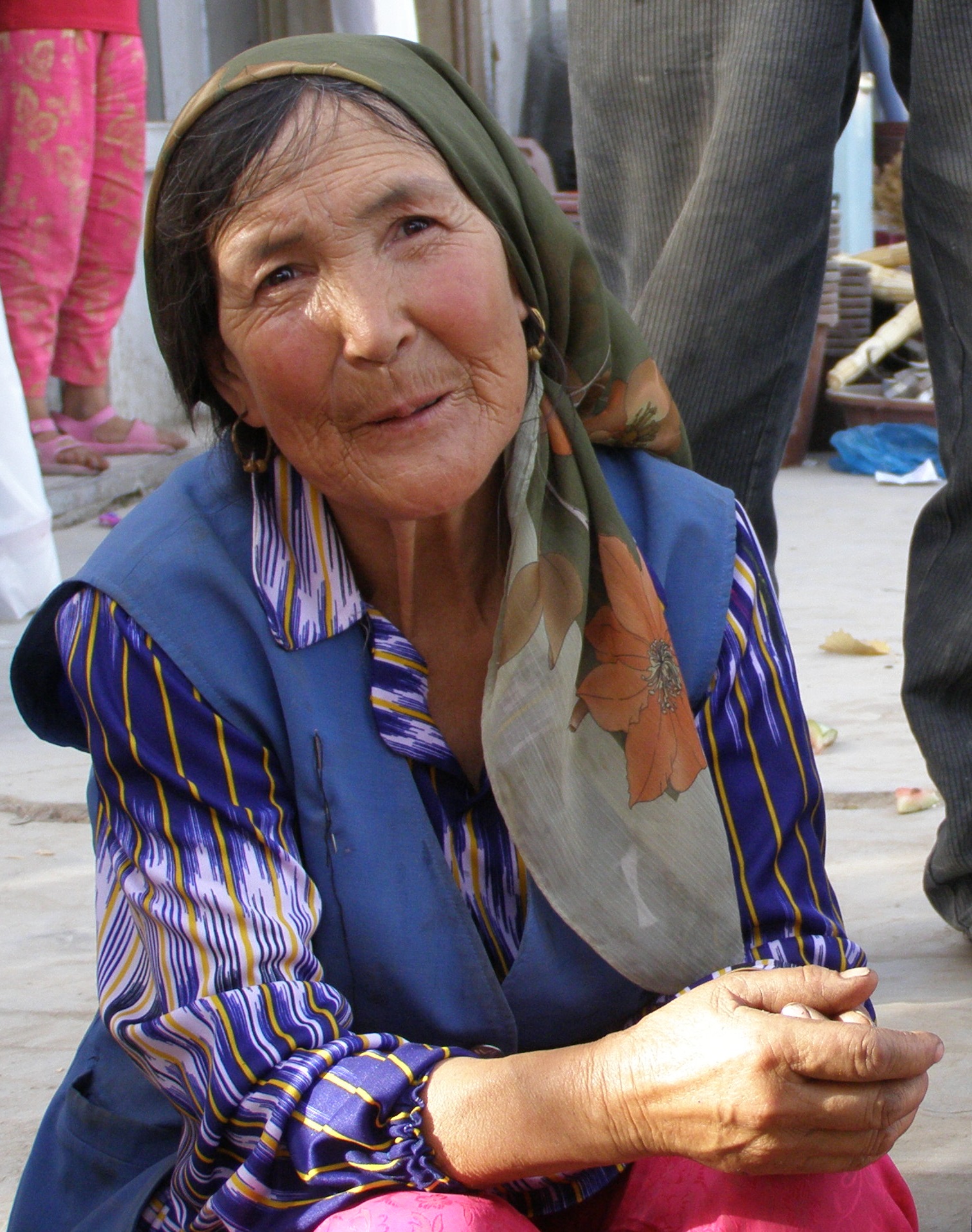
This week I despaired as I read about the continuing plight of the Uyghur women detained and suffering in the camps in Xinjiang. It breaks my heart that we are no further forward and that we live in a world where rape is still used as a weapon of war and an instrument of torture.

I feel that I have been so fortunate to have had the opportunities that I have had and that I have had education, economic independence and the opportunity to be an advocate for others, but I also feel inadequate in that there still seems to be so much that we are unable to change or influence.

Dominic Raab gave a statement to the commons on January 12th about the issue of what is happening to the Uyghurs in Xinjiang. He stated we had a moral duty to respond. He noted that living conditions within the camps violate basic human rights and that there were also reports of the forced sterilisation of women.

The full speech given by Dominic Raab.

Facts and figures: Ending violence against women | What we do
Facts and figures: Ending violence against women | What we do (2021). Available at: https://www.unwomen.org/en/what-we-do/ending-violence-against-women/facts-and-figures (Accessed: 6 February 2021).

Image from Wikimedia, Creative commons. Uyghur woman from Kizilsu Merkezi, Kizilsu Kirghiz Autonomous Prefecture of Xinjiang, China.license:https://www.flickr.com/photos/alior/, CC BY-SA 2.0 https://creativecommons.org/licenses/by-sa/2.0, via Wikimedia Commons

© Alison Jean Hankinson

Te here tangata

It is fragile this thing called life but we are one.

All part of one tapestry in life. The warp is our connection to the past and the future, and the weft is that which connects us now. The present.

There is a Maori whakatauki, Ka mua Ka muri, walking backwards into the future. It reminds us that we can learn from the past and it will help us deal with what lies ahead.

I guess the difficulty is that we often don’t see the relevance, meaning and importance of moments- until they have gone. This is why, however difficult it might be we have to accept the current moment for what it is- and to value it regardless. And whilst singularly our life might seem insignificant or unimportant, that it is part of something bigger, that we are part of something bigger.

Perhaps we are like firefly’s. Perhaps we light the way for others.

©Alison Jean Hankinson

Beyond the horizon…

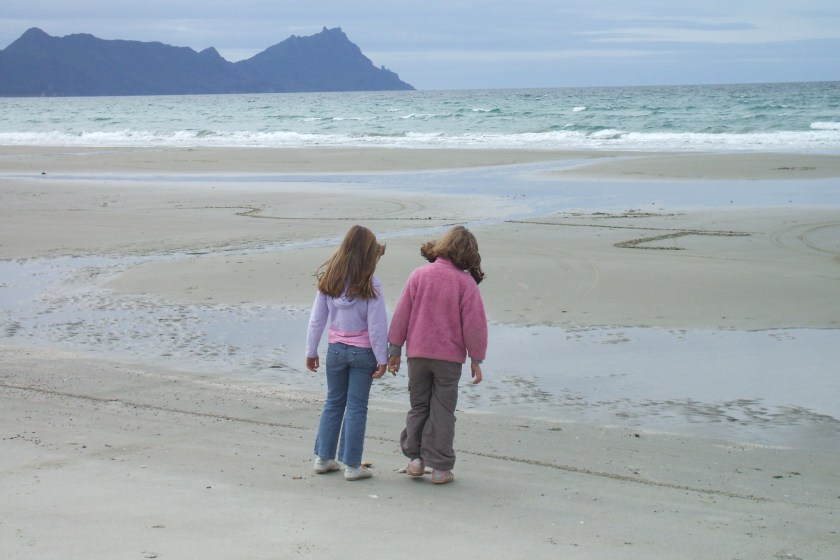
It had been a long journey, her feet bore the bruised hallmarks of a difficult life, but still she walked on.

She knew that even if she could not reach the rich promises of the future on the horizon she could leave footprints for those who mattered to follow.

©Alison Jean Hankinson

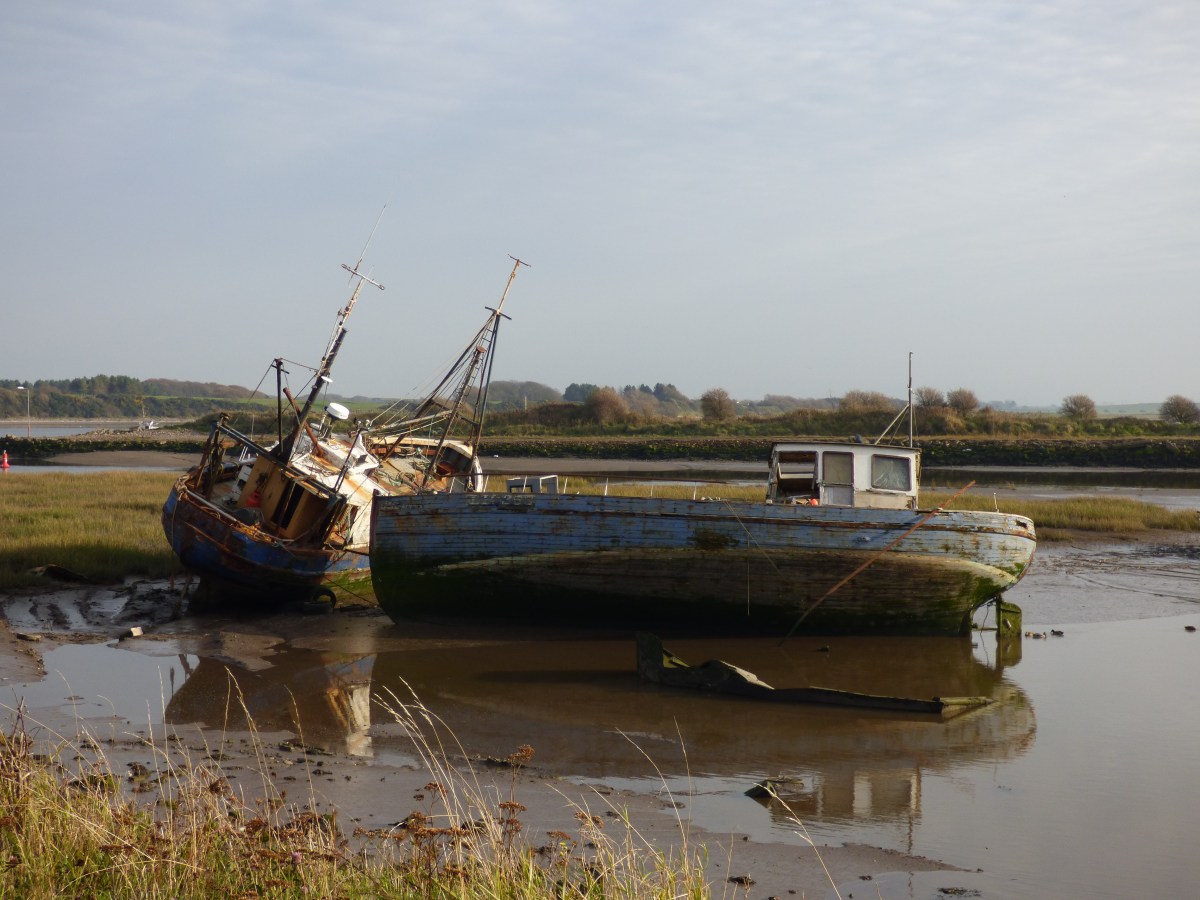
Safe anchor…

It is easy to feel adrift when the world is so full of uncertainty.

Hold on to the treasured moments, the significant people, the precious memories and the valued places that have provided you with shelter through life’s storm. Let them be your anchor.

© Alison Jean Hankinson

That which drives us

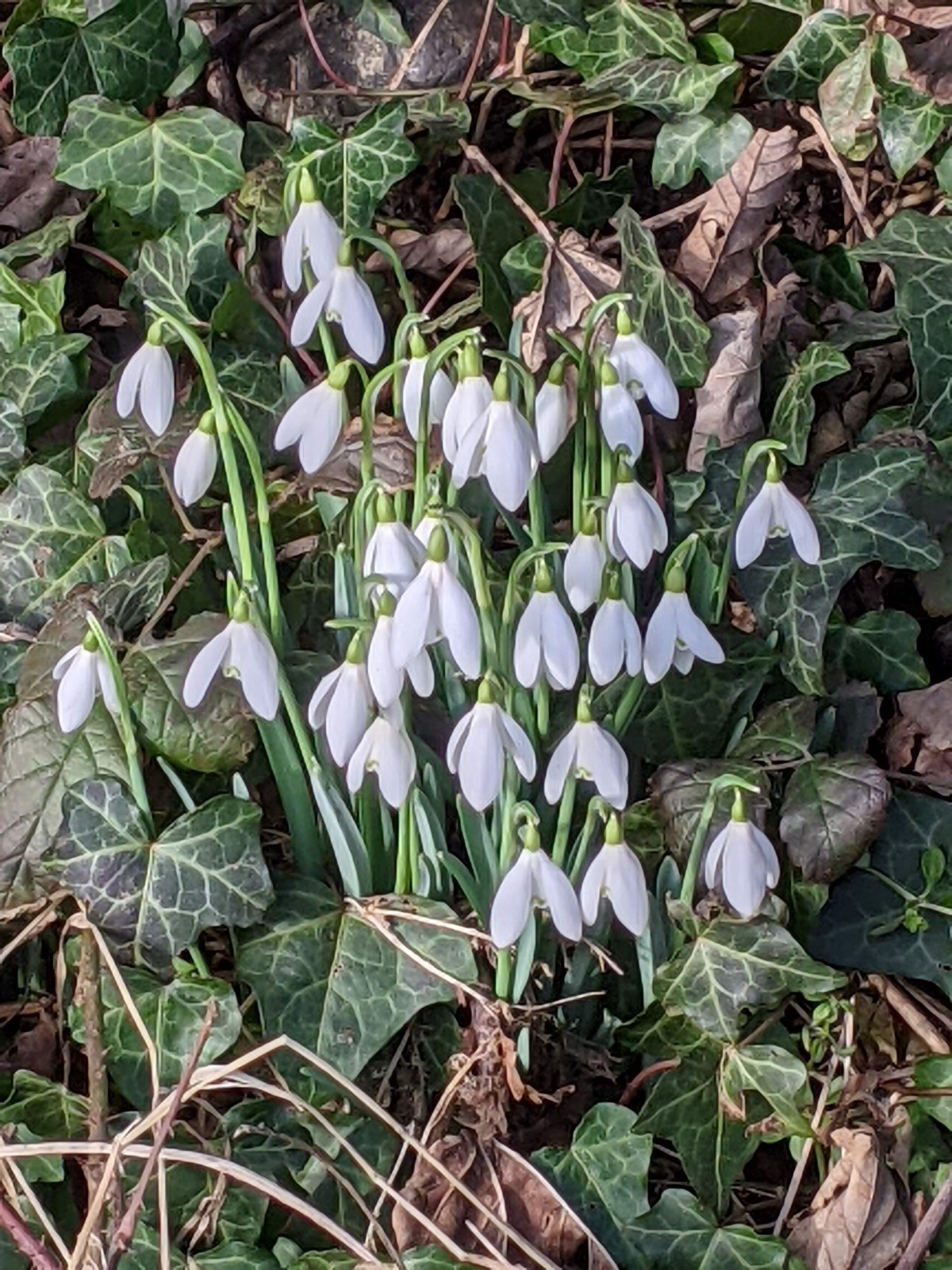
I look around me as winter reaches its finale and I am mindful of the fragility of our current existence.

It should be what we have that drives us, not what we have not.

©Alison Jean Hankinson

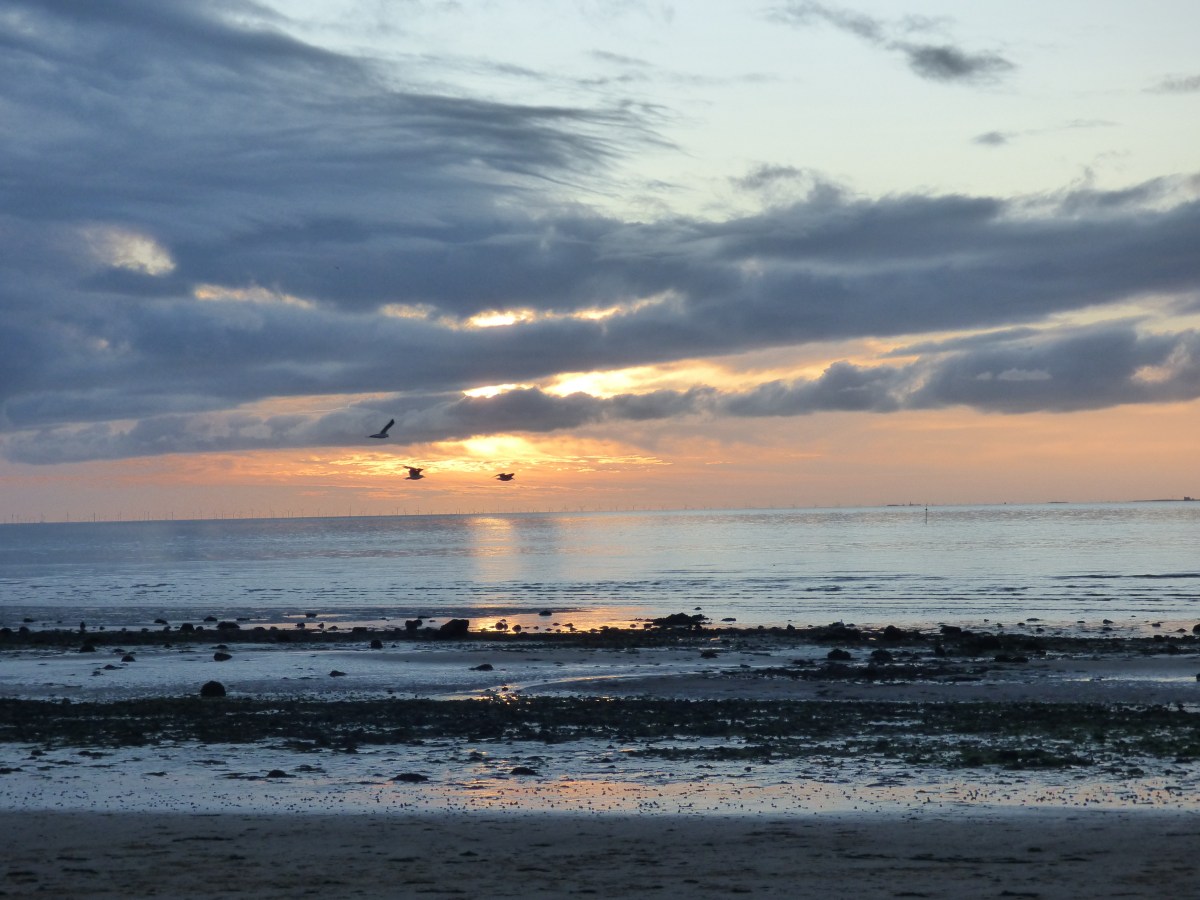
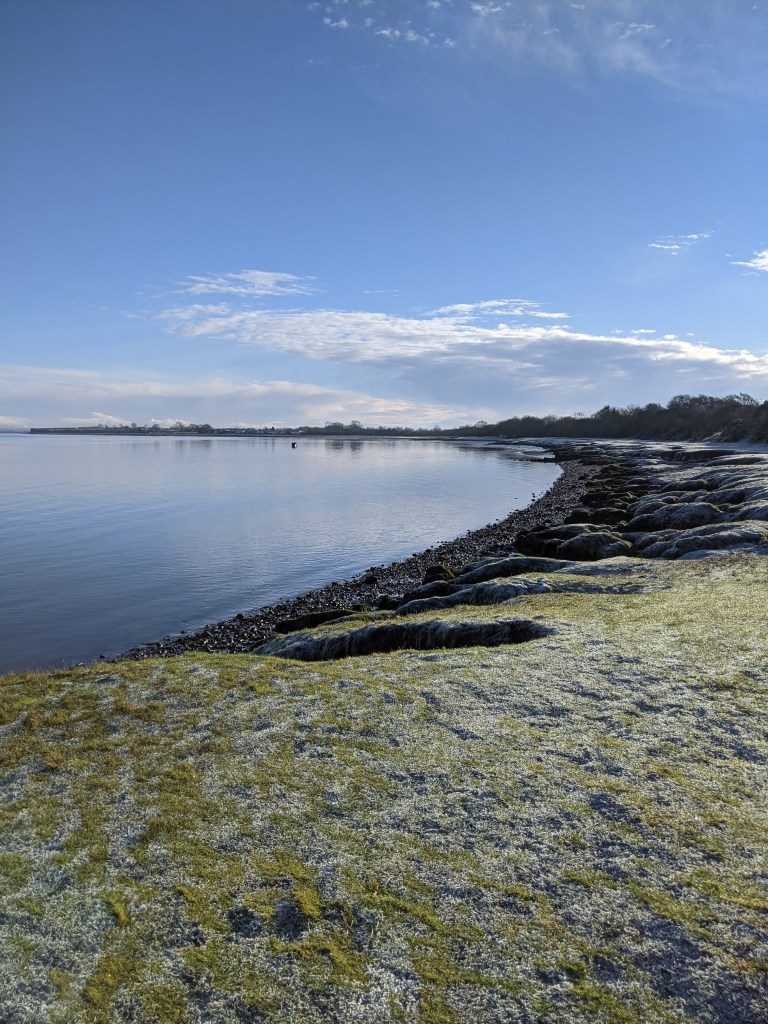
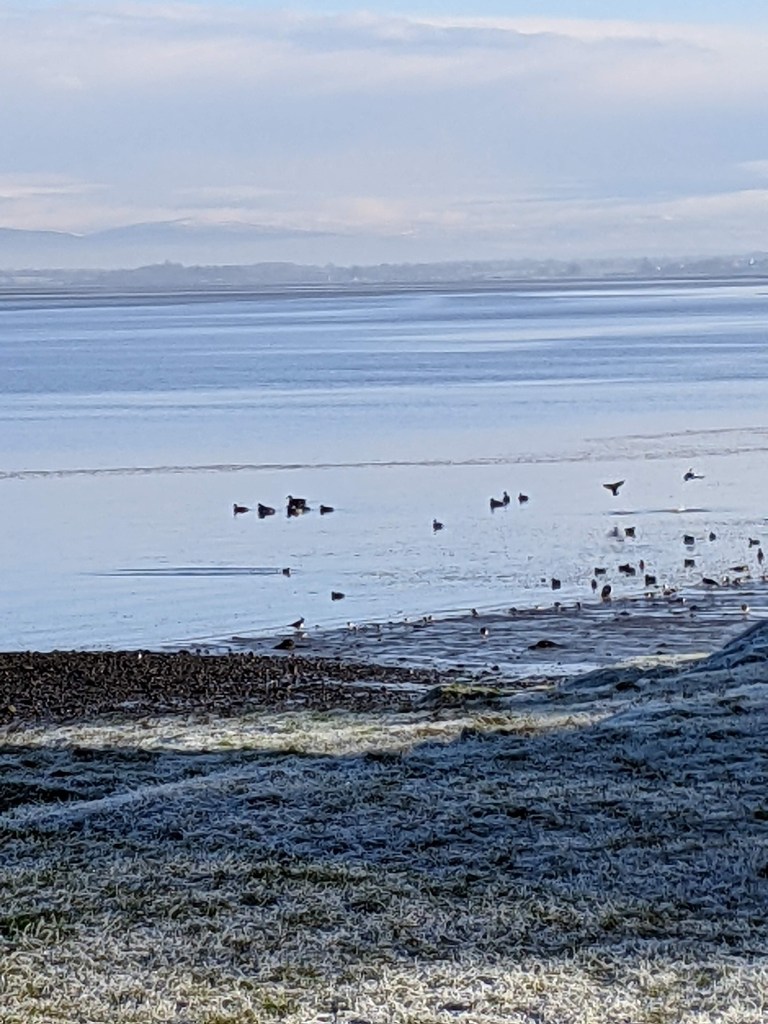
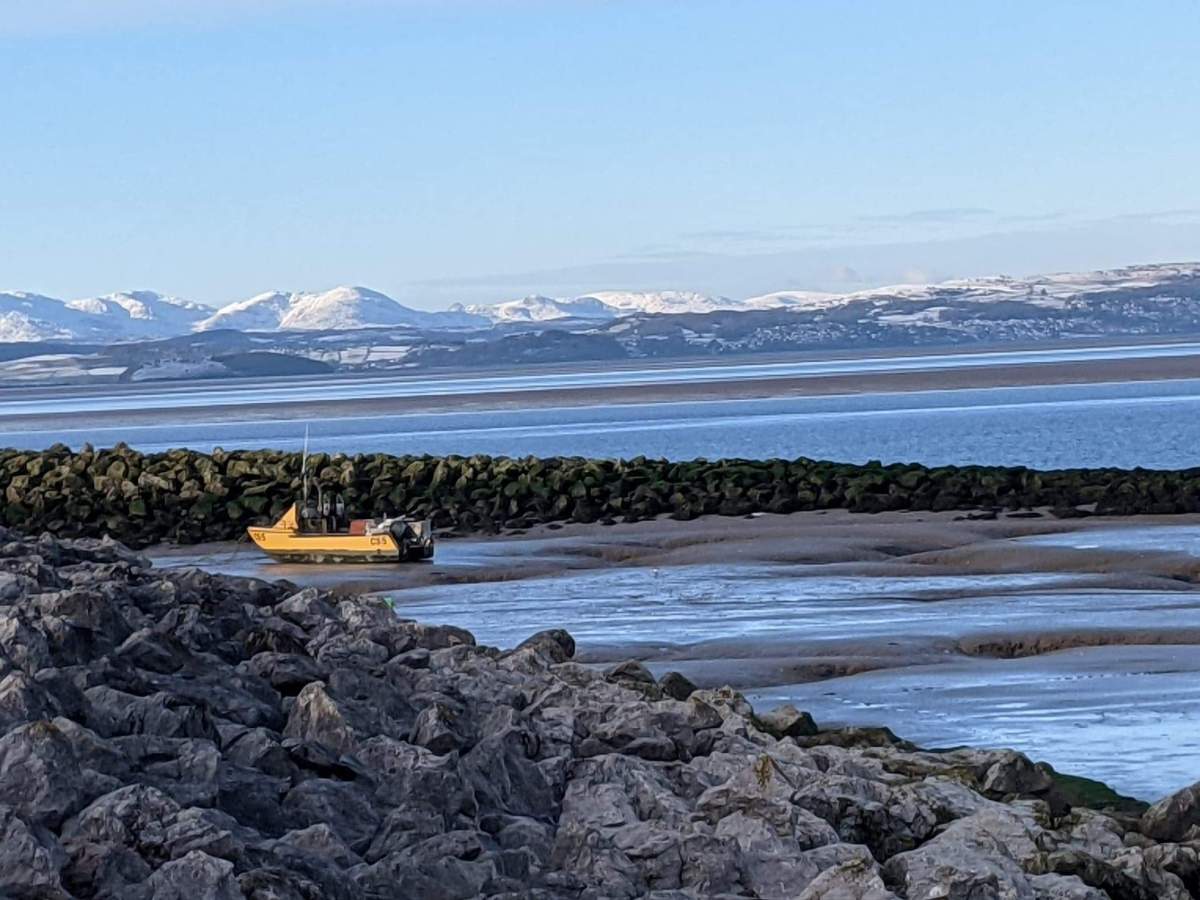
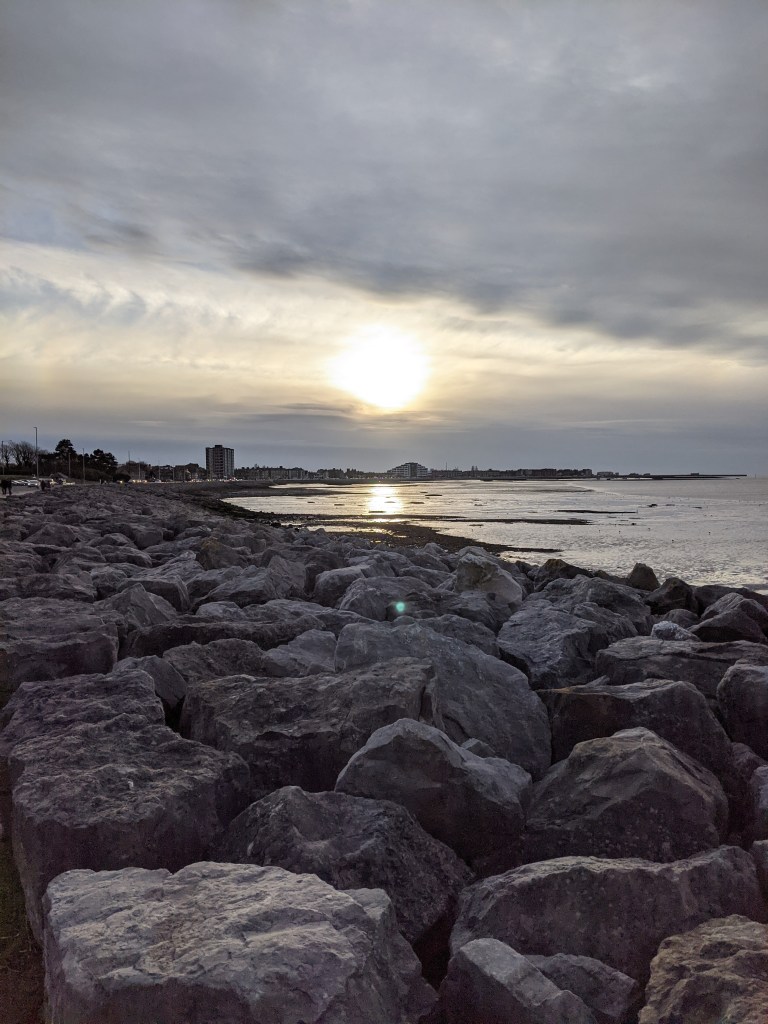
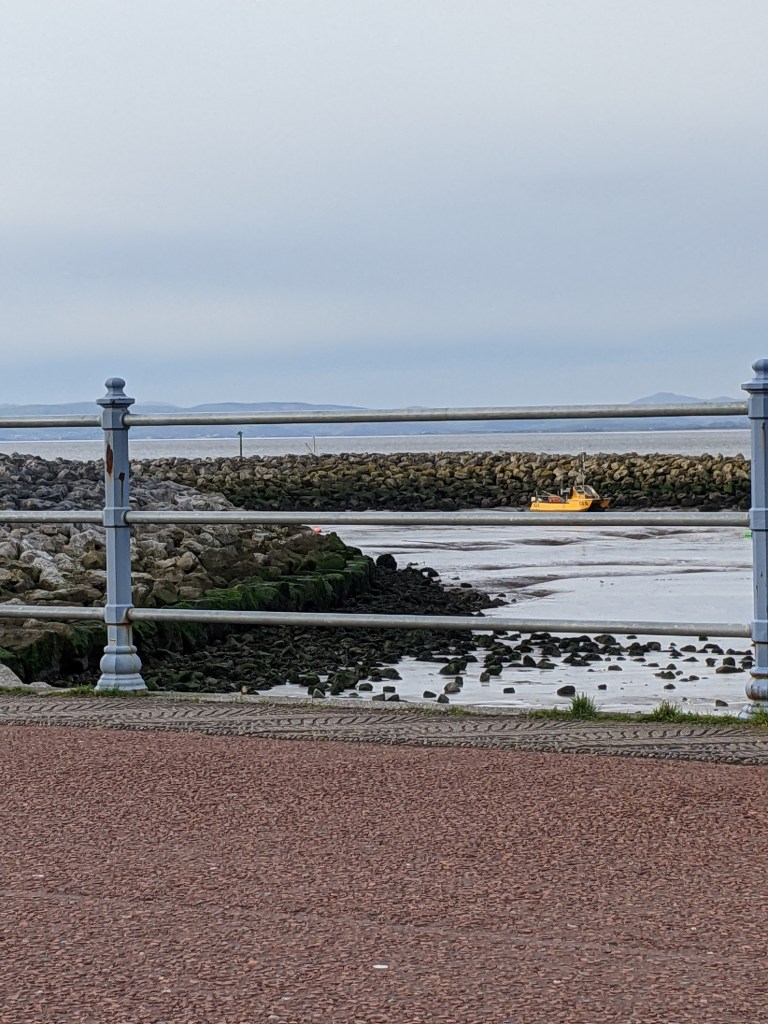
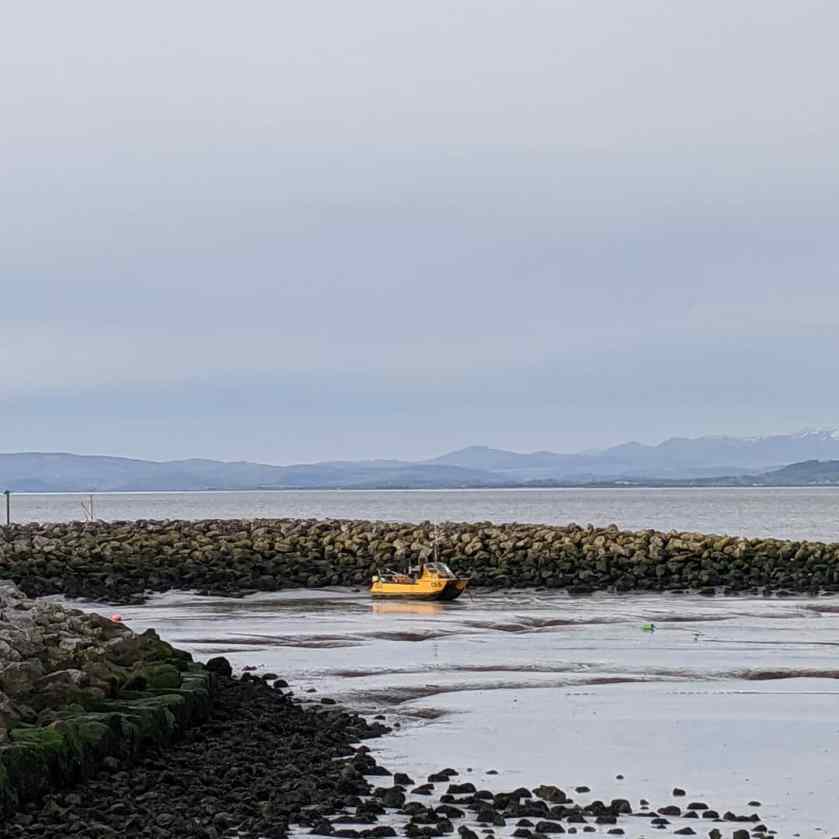
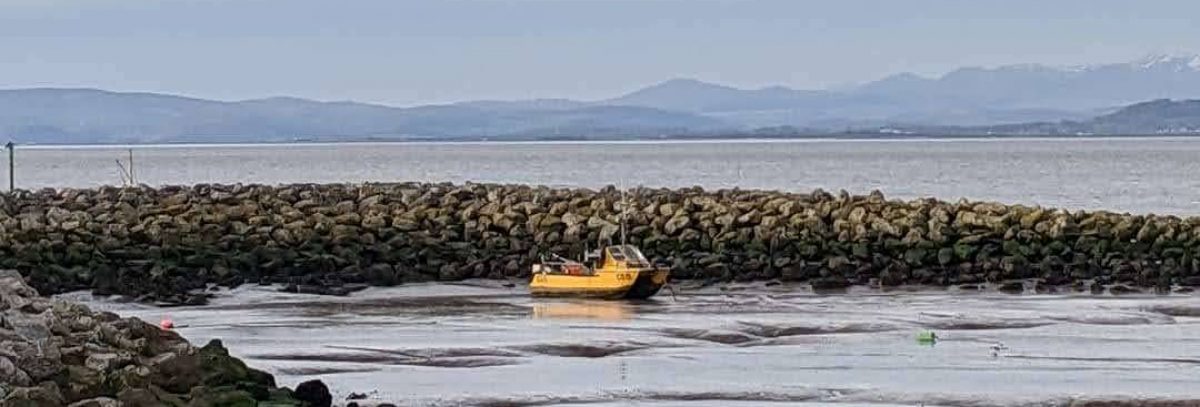
Across the Bay

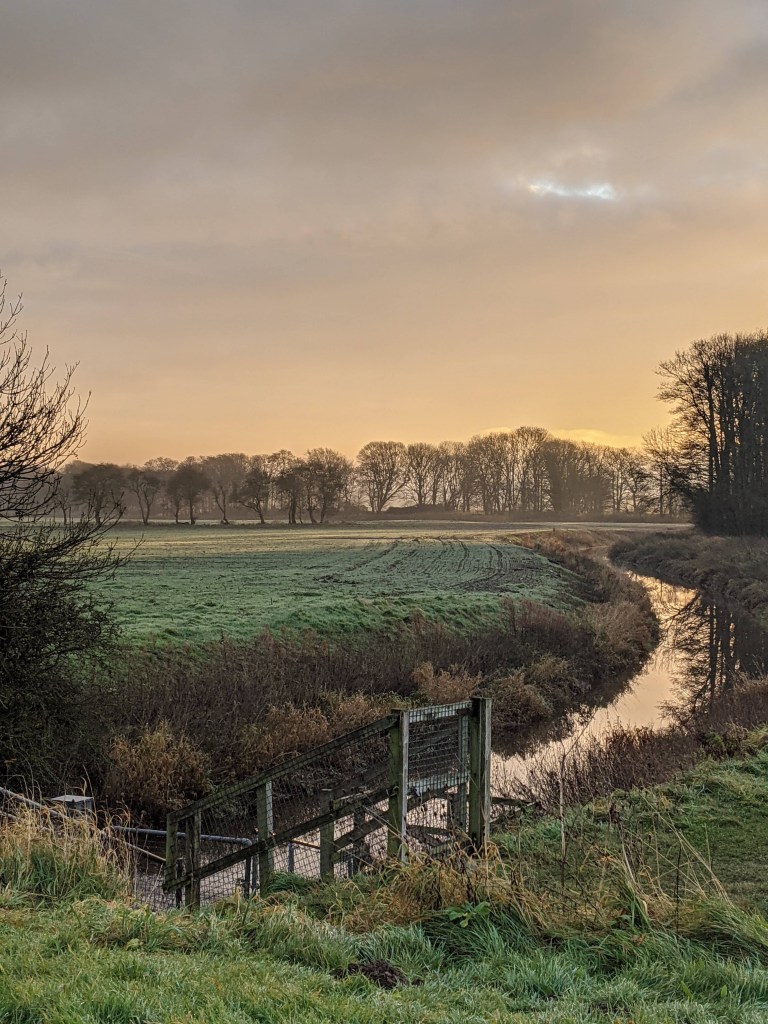
Brisk breeze beguiles  
Winter sun warms the weariest of souls. 
Across the bay snow atop the Langdales.
Gulls glide as eventide
Sheds a subtle ombre orange sunset glow across the sheltered sands.
Whisper me home.

© Alison Jean Hankinson

© Feature Image courtesy of Dave Hankinson

The stench of trauma

Olfactory associations.
In 2001 we experienced a hugely traumatic event in Cumbria, our county was ravaged by foot and mouth disease, it began in early February and by late March virtually the whole of the County was restricted and lifestock was culled in the thousands. Some estimate that as many as 20,000,000 animals were slaughtered during the course of the year. Where they found an outbreak livestock within a three mile radius were culled-this was refered to as a pre- emptive cull.

I remember driving along the cavernous empty motorway, virtually nothing seemed to travel along the M6 other than the slaughter trucks with their “Livestock reduction programme” signage and the trucks eventually carrying the rotting carcasses to burial sites like the one at Great Orton. At the time I was working as an education advisor for Cumbria LEA and although my schools were all in the South Cumbria area much of the work we did was as part of a team and covered the whole of Cumbria, travelling to Penrith and Carlisle was part of my weekly routine. Part of our team’s remit was to support schools in supporting the mental health and well being of their student populations and so the we did play a very large part in the later responses to the crisis.

At first it was the smell of burning pyres that haunted me most, the smell of roasting flesh, the pyres were enormous beyond anything anyone could possibly imagine and often burned for weeks on end until the Department for public health declared the smoke as dangerous to health and forbid them to be used a as a disposal method anymore- that was when they moved on to creating huge burial pits for the never ending trucks full with the carcasses of dead farm animals. Then I remember the stench of rotting flesh as the carcasses were dumped at Great Orton. Too many were culled to be able to transport or buru them in a timely manner and the army was drafted in to help with the process. My husband was drafted in to work for atwo week shift, they weren’t allowed to come home during that time and it took him many months to recover from the tasks he was asked to do during that time. The dead animals lay bloated and rotting on smallholdings and farms and the build up of gas was so dangerous that their bellies had to be punctured before they could be dumped in teh over burdened pits. You could smell Great Orton from my parents house some 10 miles away in Port Carlisle if the wind was in the right direction. There are 26 trenches at Great Orton and in them just less than half a million carcasses. It has now been turned into a nature reserve as a memorial- Watchtree.

Dave bought me a lemon scented air freshener for my car so that my nose had some respite from the constant stench of trauma and it gave me a different aroma to focus on during those lengthier journeys. Trouble is the lemon scent became associated with the scent of the trauma it was tryi g to over come and I cannot bear to have lemon scented air freshener any more in my car, or for that matter in the house.

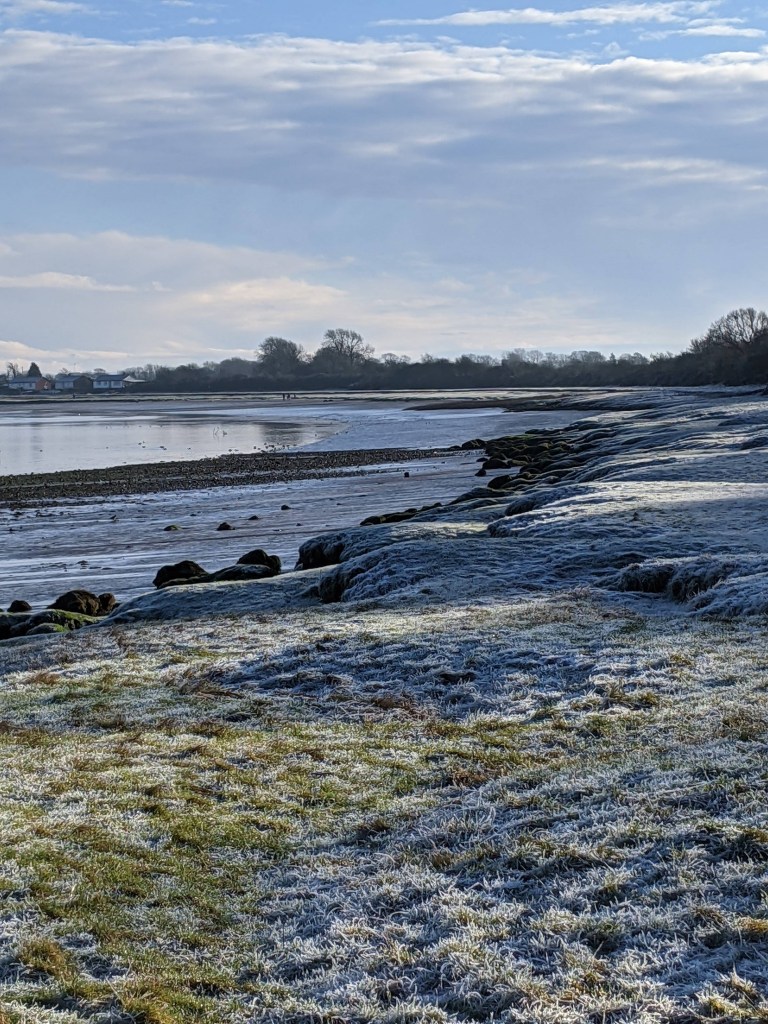
This pandemic will also have it’s own smell, for me, as I work from home in my extended isolation the aromas are pleasant, coffee roasting in the pot, good nutritious home cooking on the stove or in the oven, the clean crisp smell of a frosty winter morning as I go for a gentle jog.

The aromas for many others will be unforgettable, unimaginable and will become the unmistakeable stench of trauma to them for the rest of their living days. Our trauma from foot and mouth was quickly forgotten and the things we put in place to safeguard against the trauma for the children and their families have long since vanished but the smell will never go.

We must care for these people onec the pandemic is over, we must acknowledge the trauma that they have suffered, as it will always be a part of them and the memory will never fade when it has such a strong olfactory association.

Dedicated to all those who know and have known the stench of trauma.

If you wish to read a little mor about the FMD 2001

https://www.visitcumbria.com/foot-and-mouth-disease-in-cumbria/

© Alison Jean Hankinson
Weathering the storm.

We find ourselves still in lockdown after almost eleven months of disruption and isolation. I find that there is so much that I thought I needed before the pandemic that I have slowly come to see is not needed at all. We filled our lives with so much that was uneccessary and benal. So much of out time energy and money was spent on what I can only describe as diversions.

Diversions from what is another matter-diversions from what existence is. The mortal condition. We are here for but a moment and it isn’t about how much we possess but about what we experienced and learned in that moment and what we were able to give that is meaningful or can make a diffference.

The distractions had beeen so beguiling, even writing is perhaps a distraction.

Before we were just marching relentlessly forward, whereas now we have had time to pause and reconnect, now we can work out where we have been, where we really are now, and think about where we actually want to be in our future if there is a future and if we as mere mortals can actually steer anything that is our future.

There were points in my life where I thought that I was in control, where I thought I could somehow determine and shape the future for myself and those around me, and now I see that most of it has always been outside of my control. The very nature of our existence can be changed in a nanosecond by that which is way beyond our control. It challenges everything I have stood for, all the lessons I have ever taught and yet at the same time it just adds another dimension to be grappled with.

The truth is, this pandemic has muddied the waters, blurred the edges. Working hard is no surety for a stable future. The fragile reality that we have built our lives on can be overturned so quickly, so easily and with such alarming speed. Most of us have no idea what the next day or month will bring let alone what life will be like 10 years down the track.

I have relearned to taste my food and savour the pleasure that it gives. I have relearned to value all that I have around me, the people, the places, my home and to try to value each moment for what it is secure in the knowledge that this moment might be as good as it gets, and none of it is to be taken for granted.

it is enough

If you have food in the cupboard and a roof over your head, it is enough.

If you have worries that wake you but family that make you, it is enough.

If you have known love, shown love and grown love, it is enough.

If you have dreamed a little, worked a lot and been satisfied with your endeavours it is enough.

If the art of giving is more meaningful than getting, it is enough.

In the dark moments of life if you can still see a tiny flicker of light it is enough.

It is enough. It doesn’t have to be as vast as the oceans or as deep as the sea or as high as the mountain,

and you don’t have to be the richest, fastest, bravest, tallest, it isn’t about how much your worth measures but how you measure your worth.

It is enough. This I have learned.

Whatever I am, whoever I am, wherever I am, if I give with gladness of my heart it is enough.

©Alison Jean Hankinson
cropped-profile


When I was about 18 a very close friend of mine observed that I always seemed to be searching for something and that she worried that I might never be happy. I remember because it troubled me too, it was as if there was something missing from my life and I didn’t really know what it was, and I mistakenly labelled it happiness or perhaps even love. I think it took me many years to realise that it wasn’t missing at all that I just hadn’t recognised it even though at times it was staring me in the face.


Kintsugi

It has been a very long time, sometimes this is just how it is. We lose our voice. We open our mouth wide and nothing comes out. We have to be patient, let it heal. Pick up the pieces let them mend and grow and rejuvenate. Grow into a new person, a new being created from whatever grand or harrowing experience that was thrust our way. There will be a lot of this.

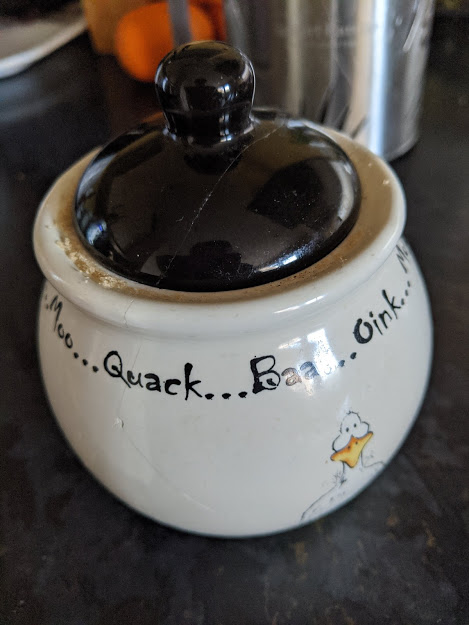
When we were in NZ I bought a set of jars, they all matched, one for tea, one for coffee, they had funny animals on and I thought the girls would like them. They came from Farmers, the department store so they were coveted and saved for, and I was joyful to have them. One day the sugar pot fell to the ground and smashed. Dave out it back together with superglue and life continued as if nothing had happened.

Last year the lid broke from the Tea jar, so now it holds utensils, it was beyond repair and I am still scouring second-hand shops to find a replacement lid meanwhile it holds wooden spoons perfectly. Then it happened again and the sugar pot broke again. I thought perhaps it was time to give up and throw it away and start again. I thought about buying a whole new set from Barton Grange they have the Wensleydale ones that are so unbelievably beautiful and cute. But it was lockdown, and so Dave got out the superglue and mended it again. And do you know it doesn’t matter at all. It is still my sugar bowl, it is just that it has a few extra cracks to it. I still have the same joy when I see it and I still remember the joy I felt when I brought them home and I had the full set.

In Japan imperfection and broken-ness is embraced and Kintsugi is a revered art. I think this is something I am learning to embrace too. The broken-ness doesn’t have to be detrimental, or pushed aside, or hidden away, it is simply part of the vessel’s journey. From the broken-ness comes a new vessel, with a new beauty arising from it’s life experience and it’s journey.

Namaste.


sugar pot

©Alison Jean Hankinson